
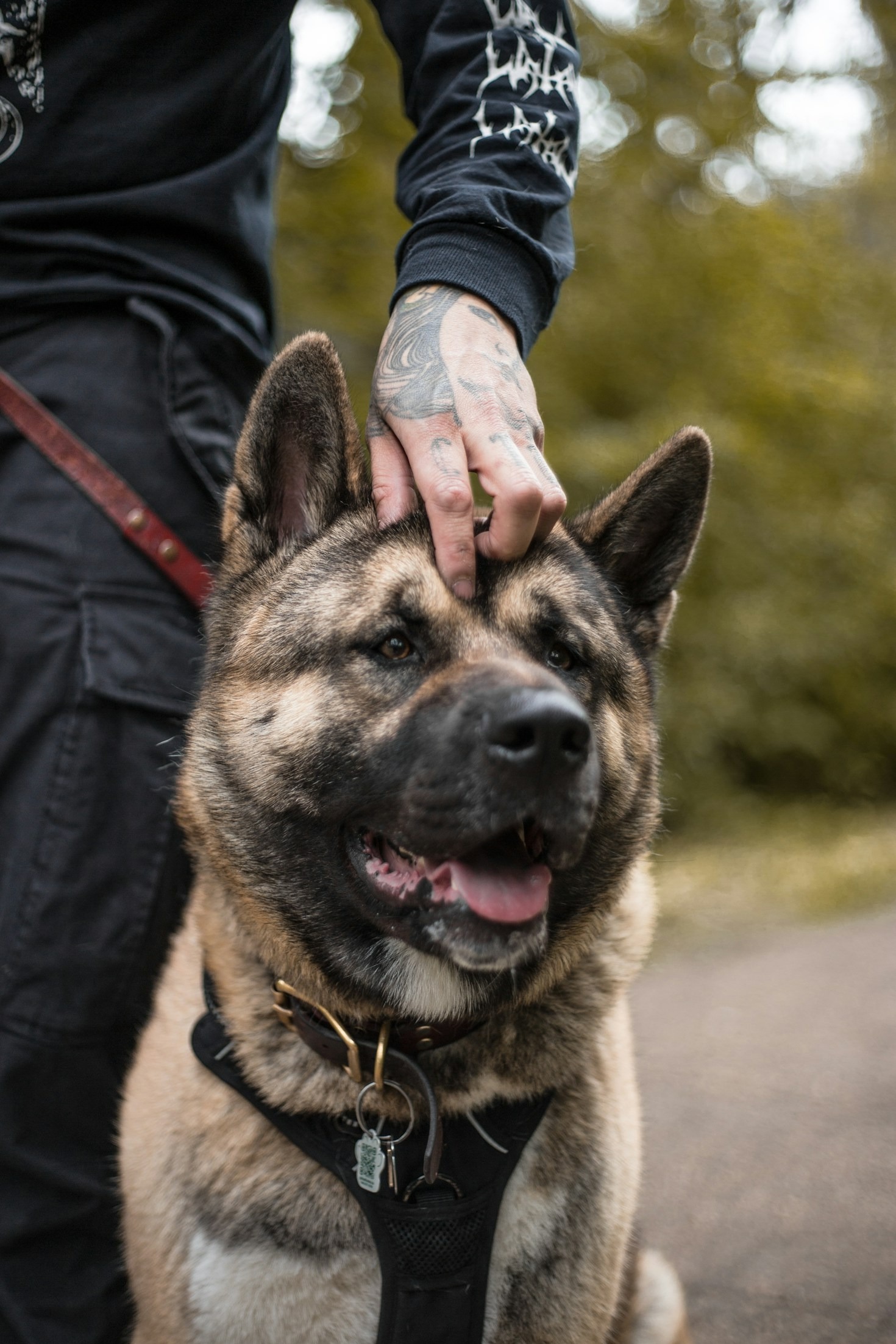
Choosing a dog is an exciting decision, but finding the right breed requires more than simply choosing one because you like its appearance. Asian dog breeds come in a remarkable variety of sizes, temperaments, coat types, energy levels, and care requirements. From the loyal Akita Inu and protective Tibetan Mastiff to the friendly Shih Tzu and energetic Japanese Spitz, each breed has its own personality and lifestyle needs. Choosing the perfect Asian breed for you means considering your home, daily routine, experience with dogs, local climate, and the amount of time you can dedicate to exercise, training, grooming, and companionship.
Why Choosing the Right Breed Matters
Every dog is an individual, but breed characteristics can provide useful clues about what life with a particular dog may be like. Some Asian breeds are highly active and need plenty of exercise, while others are more comfortable with moderate daily activity. Some are naturally independent, while others prefer to stay close to their families.
Choosing a breed that matches your lifestyle can make everyday life easier for both you and your dog. It can also help reduce problems that occur when a dog’s natural needs do not fit its living environment.
Before choosing a breed, think about your daily schedule, living space, experience level, and ability to provide long-term care.
Consider Your Living Space
Your home is one of the first things to consider when choosing a dog.
Large breeds such as the Tibetan Mastiff require more physical space and may be challenging in a small apartment. Smaller breeds, such as the Shih Tzu, can often adapt more easily to apartment living when they receive appropriate exercise and attention.
However, size alone does not determine whether a dog is suitable for an apartment. Energy level, barking tendencies, exercise requirements, and temperament are equally important.
A smaller but highly energetic dog may need more daily activity than a larger, calmer breed.
Think About Your Local Climate
Climate is especially important when choosing an Asian dog breed because Asia contains an enormous range of environments.
Some breeds developed in cold regions and have thick double coats designed to provide insulation. The Akita Inu and Tibetan Mastiff are examples of dogs associated with colder environments.
Other breeds may be better suited to warmer conditions, although individual dogs can still struggle with extreme heat and humidity.
If you live in a hot climate, consider how you will manage your dog’s temperature during summer. Fresh water, shade, indoor cooling, and exercise during cooler parts of the day can all become important parts of your routine.
Choose a Breed That Matches Your Activity Level
Think honestly about how active you are.
If you enjoy hiking, long walks, outdoor activities, and regular training sessions, an energetic breed may be a better match.
If you prefer a quieter lifestyle, you may be happier with a dog that has moderate exercise requirements.
Remember that exercise is not only about physical activity. Mental stimulation is also important. Training, interactive toys, scent games, and supervised play can help keep dogs mentally engaged.
Understand Temperament Before Choosing
A dog’s temperament should be one of the most important factors in your decision.
Some Asian breeds are known for being highly loyal and protective, while others tend to be more social or companion-focused.
For example, an Akita Inu may be independent and reserved with unfamiliar people. A Tibetan Mastiff can have strong protective instincts and may naturally be cautious around strangers. A Shih Tzu is generally known primarily as a companion breed.
Research the typical temperament of a breed, but remember that individual personality can vary.
Early socialization, training, environment, and experiences also play important roles in how a dog behaves.
Consider Your Experience With Dogs
Not every breed is equally easy for a first-time dog owner.
Some dogs are independent and strong-willed and may require an owner who understands canine behavior and consistent training.
Breeds with strong guarding or protective instincts may require particularly careful socialization and responsible management.
If you are a first-time dog owner, look for a breed whose exercise, training, grooming, and temperament requirements you can realistically handle.
Speaking with experienced owners, responsible breeders, shelters, or veterinarians can also help you understand what daily life with a particular breed may involve.
Think About Grooming Requirements
Coat type can have a major effect on how much time you spend caring for your dog.
Thick-coated breeds may require frequent brushing, particularly during seasonal shedding. Breeds such as the Chow Chow, Akita Inu, and Tibetan Mastiff can require regular coat maintenance.
Long-haired companion breeds may also need frequent brushing and attention to areas that can become tangled.
Before choosing a breed, ask yourself whether you are prepared to:
- Brush the coat regularly
- Manage seasonal shedding
- Bathe the dog when necessary
- Clean the ears
- Trim the nails
- Check the skin and coat
- Visit a professional groomer when needed
A beautiful coat can require significant maintenance.
Consider How Much Time You Have
Dogs need more than food and shelter. They need companionship, exercise, training, grooming, and attention.
If you work long hours or spend most of the day away from home, consider how your dog will receive exercise and companionship during that time.
A breed that strongly prefers human interaction may struggle if left alone for long periods.
Before bringing a dog home, make sure your daily schedule allows you to provide consistent care.
Popular Asian Dog Breeds to Consider
Asia is home to many remarkable dog breeds, each with different characteristics.
Akita Inu
The Akita Inu is a Japanese breed known for its strength, loyalty, independence, and dignified personality. It can be a good match for experienced owners who understand the importance of socialization and consistent training.
Shih Tzu
The Shih Tzu is a small companion breed associated with China and is known for its affectionate nature and long coat. Its smaller size can make it suitable for various homes, although its coat requires regular grooming.
Chow Chow
The Chow Chow is a distinctive Chinese breed with a thick coat and independent personality. It can be a good choice for owners who understand its grooming, socialization, and exercise needs.
Tibetan Mastiff
The Tibetan Mastiff is a large, powerful breed associated with the Himalayan and Tibetan Plateau regions. It has strong protective instincts and is generally better suited to experienced owners with sufficient space and the ability to manage a large guardian breed.
Japanese Spitz
The Japanese Spitz is a small-to-medium Japanese companion breed with a white coat and lively personality. It can be a good choice for families looking for an active and affectionate companion, provided its exercise and grooming needs are met.
Consider Children and Other Pets
If you have children or other animals, consider how a breed’s temperament may fit into your household.
Some dogs are naturally more comfortable around families, while others may be more independent or reserved.
Children should always be taught how to interact respectfully with dogs, and interactions between dogs and young children should be supervised.
If you already have another dog or pet, introduce a new dog carefully and gradually. Breed tendencies can provide useful information, but individual personality and previous experiences also matter.
Don’t Choose Only Based on Appearance
A dog’s appearance can be one of the first things that attracts you to a breed, but it should not be the main reason you choose one.
A thick coat may look beautiful but require extensive grooming. A large and impressive dog may have strong guarding instincts that require experience. A small dog may still have significant exercise or training needs.
Instead of asking only, “Which dog looks best?” ask:
“Which dog’s needs can I realistically meet every day?”
This question can help you make a more responsible decision.
Adoption and Responsible Sources
When you decide which type of dog suits your lifestyle, consider responsible adoption or obtaining a dog from a reputable source.
If adopting, ask about the dog’s history, personality, health, behavior, and compatibility with your household whenever this information is available.
If working with a breeder, look for someone who prioritizes the health and welfare of their dogs rather than focusing only on appearance or profit.
Avoid supporting irresponsible breeding practices or purchasing dogs without understanding their health and care needs.
Make a Long-Term Commitment
Choosing a dog is a long-term responsibility.
Your dog’s needs may change as it grows from a puppy into an adult and later into an older dog. Exercise requirements, dietary needs, grooming, veterinary care, and mobility can all change over time.
Think beyond the excitement of bringing a new puppy home. Consider whether you can provide care, attention, training, and veterinary support throughout the dog’s life.
A Simple Checklist Before Choosing
Before deciding on an Asian dog breed, ask yourself:
- How much space do I have?
- How active is my daily lifestyle?
- How much time can I spend with my dog?
- Can I manage the breed’s grooming requirements?
- Is my local climate suitable?
- Do I have experience training dogs?
- Will the dog live with children or other pets?
- Can I manage the breed’s typical temperament?
- Can I afford food, grooming, veterinary care, and other expenses?
- Am I prepared for a long-term commitment?
If you can answer these questions honestly, you will have a much clearer idea of which breed may be right for you.
Final Thoughts
Choosing the perfect Asian dog breed is about finding a good match between the dog’s needs and your lifestyle. Asian breeds offer incredible diversity, from small companion dogs to powerful guardians and active working breeds. Their different personalities, coat types, exercise requirements, and climate adaptations mean that there is no single breed that is perfect for everyone.
Take your time, research the breed carefully, and consider what everyday life with that dog will actually look like. The best choice is not necessarily the most popular or beautiful breed—it is the one whose needs you can consistently meet while providing a safe, loving, and comfortable home.
Sometimes, the simplest moments hold the deepest wisdom. Let your thoughts settle, and clarity will find you. Use this quote space to share something inspirational or reflective, perfectly aligned with the theme of your article.
This paragraph dives deeper into the topic introduced earlier, expanding on the main idea with examples, analysis, or additional context. Use this section to elaborate on specific points, ensuring that each sentence builds on the last to maintain a cohesive flow. You can include data, anecdotes, or expert opinions to reinforce your claims. Keep your language concise but descriptive enough to keep readers engaged. This is where the substance of your article begins to take shape.

As you move toward the midpoint of the article, this paragraph provides an opportunity to connect earlier ideas with new insights. Use this space to present alternative perspectives or address potential questions readers might have. Strike a balance between depth and readability, ensuring the information remains digestible. This section can also serve as a transition to the closing points, maintaining momentum as you steer the discussion to its final stages.
Wrapping Up with Key Insights
In this concluding paragraph, summarize the key takeaways from your article, reinforcing the most important ideas discussed. Encourage readers to reflect on the insights shared, or offer actionable advice they can apply in their own lives. This is your chance to leave a lasting impression, so make sure your closing thoughts are impactful and memorable. A strong conclusion not only ties the article together but also inspires readers to engage further.
Leave a Reply