
Asian vs European Dogs: Differences in Care, Climate & Lifestyle
Asian vs European dogs can differ in breed history, physical characteristics, coat type, temperament, and traditional working roles. These differences can influence grooming, exercise, training, and everyday care. However, a dog’s needs depend more on its individual breed, size, health, age, and living environment than on whether it originated in Asia or Europe.
Asian dog breeds include the Shiba Inu, Akita, Tibetan Mastiff, Lhasa Apso, and Indian Pariah Dog. European breeds include the German Shepherd, Golden Retriever, Labrador Retriever, Border Collie, and English Springer Spaniel. Each breed has its own characteristics and care requirements, making Asian vs European dogs an interesting comparison for prospective owners.
When comparing Asian vs European dogs, it is important to consider climate suitability, grooming needs, exercise levels, nutrition, health, and living conditions. Understanding these factors can help owners choose a dog whose needs fit their lifestyle and environment.
Examples of Asian and European Dog Breeds


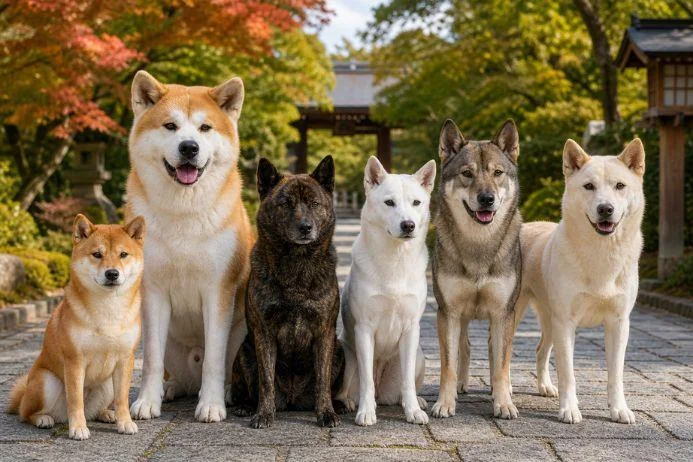


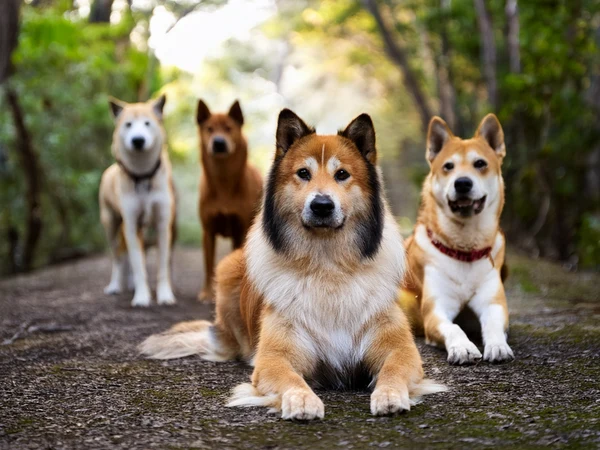
Asian vs European Dogs: Key Differences
Asian and European dogs developed in different environments and were bred for a variety of purposes, including guarding, herding, hunting, companionship, and working alongside people. Their characteristics reflect individual breed histories rather than a single difference between the two continents.
For example, some Asian breeds have thick coats suited to cold mountain environments, while others have shorter coats and lean bodies. European breeds also range from thick-coated working dogs to short-haired companion and sporting breeds. When comparing Asian vs European dogs, consider each breed’s coat type, energy level, temperament, health needs, and ability to adapt to its living environment.
For example, some Asian breeds have thick coats suited to cold mountain environments, while others have shorter coats and lean bodies. European breeds also range from thick-coated working dogs to short-haired companion and sporting breeds. When comparing Asian vs European dogs, consider each breed’s coat type, energy level, temperament, health needs, and ability to adapt to its living environment. These characteristics vary significantly between individual breeds.
The comparison is most useful when it focuses on practical care needs rather than assumptions based on geographic origin.
The following table highlights important factors to consider when choosing and caring for a dog.
Care factor | Asian dog breeds | European dog breeds |
|---|---|---|
Climate adaptation | Varies from tropical and warm-climate dogs to cold-region breeds | Varies from warm-weather breeds to cold-climate and mountain breeds |
Coat types | Short, long, dense, double, or hairless, depending on breed | Short, long, wiry, curly, or double-coated, depending on breed |
Grooming | Depends on coat length, density, and shedding | Depends on coat length, density, and shedding |
Exercise | Ranges from moderate activity to demanding daily exercise | Ranges from moderate activity to high-energy working and sporting exercise |
Training | Depends on breed temperament, motivation, and socialization | Depends on breed temperament, motivation, and socialization |
Nutrition | Based on age, size, activity, and health | Based on age, size, activity, and health |
Living conditions | Must match the dog’s physical and behavioral needs | Must match the dog’s physical and behavioral needs |
The main lesson is that geography alone cannot determine which dog is easier to care for. Understanding the individual breed is the best starting point.
1. Climate Adaptation: Asian Dogs vs European Dogs
Climate is one of the most important considerations when choosing a dog. Temperature, humidity, rainfall, access to shade, and indoor living conditions can all affect a dog’s comfort and safety. Climate adaptation is an important factor when comparing Asian vs European dogs, especially for owners living in regions with high temperatures and humidity.
Climate needs of Asian dog breeds
Asia has a wide range of climates, from hot and humid tropical regions to cold deserts and high mountain areas. As a result, Asian breeds have diverse physical characteristics.
The Indian Pariah Dog, for example, typically has a short coat and a lean build. The Shiba Inu has a dense double coat, while the Tibetan Mastiff has a heavy coat associated with life in colder environments. These breeds should not be treated as if they all have the same heat tolerance.
In hot areas, owners should provide fresh water, shade, ventilation, and a cool indoor resting place. Walks are best scheduled for early morning or evening when temperatures are lower.
Climate is an important consideration when comparing Asian vs European dogs, particularly in areas with extreme heat, humidity, or cold weather.
Owners comparing Asian vs European dogs should consider each breed’s heat tolerance, coat, body structure, and access to a comfortable indoor environment.
Climate needs of European dog breeds
European breeds are equally diverse. The German Shepherd has a double coat, while the Greyhound has a short, fine coat. Some European breeds were developed for cold-weather work, whereas others have different physical characteristics suited to their original roles.
A thick coat does not automatically mean a dog cannot live in a warm climate, and a short coat does not make a dog immune to heat stress. Age, weight, breathing ability, fitness, and the temperature all affect how safely a dog can exercise outdoors.
Which dogs handle hot weather better?
There is no single answer based on continental origin. A healthy, short-coated dog may find warm conditions easier to tolerate than a heavily coated breed, but individual health and body structure also matter.
To protect dogs in hot weather:
- Provide constant access to clean drinking water.
- Offer shade and a cool indoor resting area.
- Schedule walks during cooler hours.
- Avoid strenuous exercise during extreme heat.
- Check pavement temperature before walking.
- Never leave a dog unattended in a parked car.
- Watch for excessive panting, weakness, drooling, or unsteadiness.
Heatstroke can be life-threatening. If a dog shows signs of serious overheating, move it to a cooler place, begin safe cooling with cool water, and seek urgent veterinary care.
2. Grooming and Coat Care
Grooming needs vary among Asian vs European dogs, depending on coat length, density, shedding patterns, and skin condition. Grooming requirements for Asian vs European dogs depend on coat length, shedding, skin health, and the amount of maintenance each breed needs.
Grooming Asian dog breeds
Asian breeds have a wide range of coat types. Shiba Inus and Akitas have dense double coats that need regular brushing, especially during shedding seasons. Lhasa Apsos have long coats that require frequent brushing to prevent tangles and mats.
Short-coated breeds generally require less brushing, but they still benefit from regular coat checks and occasional grooming. Owners should inspect the skin, ears, paws, and areas where dirt or parasites may collect.
Grooming European dog breeds
European breeds also vary considerably. A German Shepherd may shed heavily, while a short-coated Greyhound usually needs less coat maintenance. Long-haired breeds and dogs with curly or continuously growing hair may need frequent brushing and professional grooming.
Regular grooming helps remove loose hair, identify skin problems, and prevent painful matting. Bathing frequency should depend on the dog’s coat, activities, skin condition, and veterinary advice.
Do not automatically shave a thick-coated dog to keep it cool. A double coat can provide insulation and protection from sunlight, and shaving it very short may damage its protective function. Ask a veterinarian or qualified groomer about the appropriate approach for the specific breed.
3. Exercise and Daily Activity
Every dog needs appropriate physical activity and mental stimulation, but the amount varies widely between breeds and individuals.
Exercise needs of Asian breeds
Some Asian breeds, such as Shiba Inus, are active and benefit from daily walks, play, and training. Akitas need regular exercise, but their activity should be adjusted for age, health, and weather. Other breeds may be less demanding or have different working instincts.
Owners should also provide mental enrichment through scent games, food puzzles, short training sessions, and supervised exploration.
Exercise needs of European breeds
Many European working and sporting breeds need substantial daily activity. Border Collies often benefit from a combination of exercise and challenging training, while Golden Retrievers generally enjoy walks, play, retrieving games, and swimming where it is safe.
However, not every European breed is high-energy, and not every Asian breed has moderate exercise needs. Puppies, senior dogs, and dogs with medical conditions may require different routines.
How much exercise does a dog need?
There is no universal exercise schedule suitable for all dogs. Consider the breed’s typical activity level, age, fitness, body condition, and health. Increase activity gradually, provide rest, and avoid demanding exercise in hot or humid weather.
Consistent walks, play, training, and enrichment can help support physical health and reduce boredom-related behaviors.
4. Temperament, Training, and Socialization
Temperament varies between breeds and individual dogs. It is not accurate to assume that all Asian dogs are independent or that all European dogs are naturally obedient.
Some Asian breeds were developed for guarding, hunting, or independent work. Some may be reserved with unfamiliar people or animals. Early socialization and reward-based training can help owners manage these tendencies.
European breeds also show a wide range of behavior. Many herding and sporting dogs were selected to work closely with people, but they still need appropriate training, socialization, and mental stimulation.
For either group:
- Use consistent, reward-based training.
- Introduce new people, places, and animals gradually and safely.
- Teach basic cues such as recall, sit, and leave it.
- Supervise interactions between dogs and children.
- Provide appropriate outlets for natural behaviors.
- Seek qualified help for persistent fear, aggression, or anxiety.
A dog’s upbringing, experiences, health, and individual personality all influence behavior.
5. Nutrition and Feeding Requirements
Asian and European dog breeds do not require separate diets simply because they originate from different regions. Their nutritional needs depend on life stage, size, activity level, body condition, and health.
Puppies need nutrition appropriate for growth, while adult and senior dogs may require different energy levels and dietary adjustments. Large-breed puppies can have specific growth-related nutritional requirements, so owners should choose an appropriate diet with veterinary guidance.
For healthy feeding:
- Choose a complete and balanced dog food suitable for the dog’s life stage.
- Provide fresh water throughout the day.
- Measure portions and monitor body condition.
- Adjust food intake based on activity and weight changes.
- Introduce dietary changes gradually.
- Avoid toxic foods such as chocolate, grapes, raisins, and products containing xylitol.
Home-prepared diets should be formulated with qualified veterinary nutritional guidance to avoid deficiencies or excesses. Supplements are not automatically necessary for every dog.
6. Health and Preventive Veterinary Care
Health risks differ by breed, not by continent alone. Some breeds have inherited conditions associated with their body structure or genetic background, while others may be affected by environmental risks.
For example, short-muzzled dogs may have difficulty breathing and cooling themselves during exercise or hot weather. Large breeds may have particular joint and growth considerations. Dogs with long, dense coats may need more attention to skin care, parasites, and coat maintenance.
Both Asian and European breeds benefit from routine veterinary checkups, appropriate vaccination, parasite prevention, dental care, and weight management.
Before adopting or buying a purebred dog, ask about known breed-related health conditions and relevant health screening. If you are adopting a mixed-breed or local dog, a veterinarian can help assess its health and recommend preventive care.
In warm and humid environments, discuss flea, tick, mosquito-borne, and other locally relevant disease risks with a veterinarian. The right prevention plan depends on the dog’s location, lifestyle, and medical history.
7. Living Conditions: Apartments, Houses, and Outdoor Spaces
A dog’s suitability for a home depends on more than its origin or size. Energy level, noise, training, social needs, climate, and access to safe exercise all matter.
Some Asian breeds can adapt to apartment living if their exercise and enrichment needs are met. Some European breeds can also thrive in apartments, while high-energy working dogs may need more activity and structured engagement.
A house with a garden does not automatically meet a dog’s needs. Dogs still need human interaction, exercise, training, shelter, and veterinary care. They should not be left outside for long periods in dangerous heat or cold.
Before choosing a dog, consider:
- The amount of time available for daily care.
- The dog’s exercise and grooming requirements.
- Local temperatures and humidity.
- Space for safe rest and play.
- The cost of food, veterinary care, and grooming.
- Compatibility with children and other pets.
Choose a dog whose needs fit your daily routine and the environment you can realistically provide. Both Asian vs European dogs can adapt to suitable homes when their exercise, socialization, grooming, and environmental needs are met.
8. Asian vs European Dogs in Hot Climates
Owners living in hot parts of Asia should consider heat safety carefully when choosing any breed, including dogs traditionally associated with colder regions.
A short coat may make grooming easier, but it does not guarantee heat tolerance. Dogs with short muzzles, excess weight, heart or respiratory conditions, or a history of heat-related illness may need extra precautions.
Practical steps include keeping indoor spaces cool, providing several opportunities to drink water, avoiding walks on hot pavement, and limiting outdoor activity during peak temperatures.
Never rely on a dog’s coat or apparent energy level to judge whether the weather is safe. Monitor its breathing, behavior, and recovery after activity.
For more guidance, read the American Veterinary Medical Association’s Warm Weather Pet Safety guide and Cornell University’s Summer Heat Safety Tips for Dogs.
9. Which Is Better: Asian Dogs or European Dogs?
Neither group is universally better. The right choice depends on your experience, household, climate, budget, and the needs of the individual dog.
An Asian breed may suit you if you appreciate its particular temperament, appearance, or historical role and can meet its exercise, grooming, and training needs. A European breed may suit you for similar reasons.
A locally adapted mixed-breed dog may also be an excellent companion. Consider temperament, health, behavior, and the dog’s compatibility with your lifestyle rather than choosing based on geographic origin alone.
Before making a decision, research the specific breed, meet the dog when possible, and consult a veterinarian or reputable rescue organization.
Frequently Asked Questions
Are Asian dogs better suited to hot climates?
Not all Asian dogs are adapted to heat. Asia includes both hot regions and cold mountainous areas. A dog’s coat, muzzle shape, health, fitness, and access to cooling are more useful considerations than its continent of origin.
Are European dogs harder to care for than Asian dogs?
No general rule establishes that one group is harder to care for. A high-shedding or high-energy dog from either continent may require more time than a dog with simpler grooming and activity needs. Compare individual breeds before deciding.
Do Asian and European dogs need different food?
No. Dogs from either group need a complete and balanced diet appropriate for their age, size, activity level, and health. Some individual dogs may require specialized diets under veterinary guidance.
Which dogs need more grooming?
Grooming depends on the coat. Long-haired and double-coated breeds often require more brushing than short-coated breeds, regardless of origin. Regular grooming also helps owners check for skin problems and parasites.
Can European dog breeds live in Asia?
Yes. Many European breeds can live comfortably in Asian countries when their individual needs are met. Owners should consider local temperatures, humidity, exercise timing, indoor cooling, and breed-specific health concerns.
Can Asian dog breeds live in Europe?
Yes. Asian breeds can live in European countries if owners provide suitable shelter, exercise, grooming, and protection from local weather. Dogs from warmer environments may need gradual adjustment and appropriate protection during cold conditions.
Which dogs are best for first-time owners?
There is no universal answer based on origin. First-time owners should look for an individual dog whose temperament, size, activity level, and grooming requirements match their experience and household. Adoption counselors and veterinarians can help identify suitable options.
Is a short-haired dog always better in hot weather?
No. Coat length is only one factor. Short-muzzled dogs, overweight dogs, senior dogs, and dogs with certain medical conditions can still be at risk of heat stress. All dogs need water, shade, and sensible exercise schedules in hot weather.
Conclusion
The comparison between Asian and European dogs shows that care requirements are shaped by breed characteristics, individual health, climate, and lifestyle. Asian breeds range from short-coated dogs to thick-coated mountain breeds, while European breeds include both cold-weather working dogs and short-coated companions.
Instead of assuming that one group is easier or healthier, research the specific breed and focus on its grooming, nutrition, exercise, training, and veterinary needs. With appropriate care and a suitable home environment, dogs from either continent can become healthy and valued companions. Ultimately, choosing between Asian vs European dogs should depend on the individual dog’s needs and your ability to provide appropriate care.
Responsible dog ownership starts with understanding the individual dog—not just its origin.