
10 Popular Asian Dog Breeds + Summer Care Tips
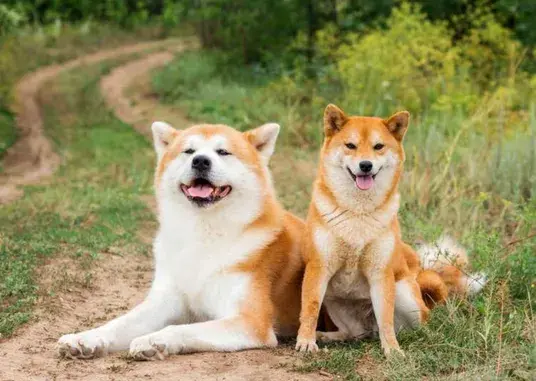
Asian dogs come in many shapes, sizes, and temperaments, from small companion dogs to powerful mountain guardians. Some were developed to protect livestock, while others became beloved family companions. Learning about Popular Asian Dog Breeds can help you understand their origins, exercise needs, grooming requirements, and suitability for different homes.
Asia has an especially diverse range of dog breeds because its climates vary from cold mountain regions to hot, humid tropical areas. However, a breed’s country of origin does not automatically mean it will tolerate every climate in Asia. Thick-coated dogs may struggle during hot weather, while short-nosed breeds can have difficulty cooling themselves through panting.
This guide explores 10 Popular Asian Dog Breeds, their main characteristics, and practical summer-care advice. Whether you are researching a family companion or comparing breeds for your local climate, consider each dog’s individual needs before making a decision.
Quick Overview: 10 Popular Asian Dog Breeds
Dog breed | Country or region of origin | General temperament | Summer care consideration |
Shiba Inu | Japan | Alert, independent, energetic | Limit exercise during peak heat |
Akita | Japan | Loyal, dignified, protective | Thick double coat requires careful management |
Chow Chow | China | Independent, calm, reserved | Dense coat and short muzzle require extra caution |
Pekingese | China | Affectionate, confident | Flat face increases overheating risk |
Lhasa Apso | Tibet | Alert, independent, companionable | Long coat needs regular maintenance |
Tibetan Mastiff | Tibet | Protective, independent | Heavy coat and large body need cool surroundings |
Shih Tzu | China/Tibet | Affectionate, sociable | Short muzzle and long coat require special attention |
Pug | China | Playful, affectionate | High risk of breathing difficulties in heat |
Indian Pariah Dog | Indian subcontinent | Alert, adaptable, active | Provide shade, water, and protection from extreme heat |
Tibetan Spaniel | Tibet | Intelligent, alert, affectionate | Avoid strenuous activity in hot weather |
Note: This is a selection of well-known Asian-origin breeds and regional dog types, not an official popularity ranking. Temperament, health, and heat tolerance vary by individual.
1. Shiba Inu
The Shiba Inu is a small-to-medium Japanese breed known for its fox-like appearance, pointed ears, curled tail, and confident personality. Originally developed for hunting in Japan, it is now popular as a companion dog worldwide.
Among Popular Asian Dog Breeds, the Shiba Inu stands out for its independence and clean habits. It can be affectionate with its family but may be reserved around strangers. Early socialization and consistent, reward-based training help encourage good manners.
Key characteristics
- Origin: Japan
- Size: Small to medium
- Coat: Dense double coat
- Temperament: Alert, independent, energetic
- Exercise: Daily walks and mental stimulation
Summer care: Shiba Inus shed their undercoat seasonally, and their dense fur requires regular brushing. Provide shade, fresh water, and cool indoor resting areas. Walk your dog during cooler morning or evening hours, and never shave its double coat unless a veterinarian recommends a specific medical treatment.
2. Akita Inu
The Akita Inu is a large Japanese breed known for its strength, loyalty, and dignified appearance. Historically used for hunting and guarding, the Akita is often devoted to its family but may be wary of unfamiliar people and animals.
When comparing Popular Asian Dog Breeds, prospective owners should understand that Akitas need early socialization, thoughtful management, and consistent training. Their size and independent nature can make them challenging for inexperienced owners.
Key characteristics
- Origin: Japan
- Size: Large
- Coat: Thick double coat
- Temperament: Loyal, alert, independent
- Exercise: Regular, moderate activity
Summer care: Akitas have a substantial coat that can make hot weather uncomfortable. Keep outdoor activity limited during the hottest part of the day, provide constant access to water, and allow your dog to rest in a cool, ventilated room. Monitor for excessive panting and unusual tiredness.
3. Chow Chow
The Chow Chow is an ancient Chinese breed recognized by its dense coat, broad head, and distinctive blue-black tongue. It often has a calm, independent personality and may form strong bonds with familiar family members.
The Chow Chow is one of the more recognizable Popular Asian Dog Breeds, but its appearance should not be the only consideration when choosing one. Its thick fur needs regular grooming, and early positive socialization can help it become comfortable around people and everyday situations.
Key characteristics
- Origin: China
- Size: Medium
- Coat: Dense, rough or smooth
- Temperament: Independent, calm, reserved
- Exercise: Moderate daily activity
Summer care: Thick-coated Chow Chows can be vulnerable to overheating. Brush the coat regularly to remove loose hair and prevent mats, keep the dog indoors during extreme heat, and avoid strenuous exercise in warm weather. Do not assume that shaving is the best solution; ask a veterinarian or qualified groomer about appropriate coat care.
4. Pekingese
The Pekingese is a small companion breed originating in China. Historically associated with Chinese imperial households, it is known for its short legs, broad face, and long, flowing coat.
Among small Popular Asian Dog Breeds, the Pekingese is valued for its affectionate nature and relatively modest exercise requirements. However, its short muzzle can interfere with efficient cooling, especially in hot or humid weather.
Key characteristics
- Origin: China
- Size: Small
- Coat: Long and abundant
- Temperament: Confident, affectionate, independent
- Exercise: Short, gentle walks
Summer care: Pekingese dogs need extra protection from heat because their short noses can make breathing and temperature regulation more difficult. Keep walks brief and schedule them for cooler hours. Maintain a cool indoor environment and seek veterinary advice if your dog has noisy breathing, persistent panting, or reduced energy.
5. Lhasa Apso
The Lhasa Apso originated in Tibet, where it served as a watchdog in homes and monasteries. This small breed has a long coat, a watchful nature, and a reputation for being confident despite its size.
People exploring Popular Asian Dog Breeds for apartment living may consider a Lhasa Apso because it can adapt to smaller homes when its exercise, companionship, and grooming needs are met. It is not a maintenance-free dog, however, particularly when kept in a long coat.
Key characteristics
- Origin: Tibet
- Size: Small
- Coat: Long and dense
- Temperament: Alert, confident, loyal
- Exercise: Daily walks and play
Summer care: Brush the coat frequently to prevent tangles and mats, which can trap heat and irritate the skin. Provide water and shade, and avoid long walks in direct sunlight. A practical shorter trim may make coat maintenance easier, but grooming should preserve skin protection and comfort.
6. Tibetan Mastiff
The Tibetan Mastiff is a large, powerful guardian breed associated with the Himalayan region and the Tibetan Plateau. Traditionally used to guard livestock and property, it has a thick coat and a naturally protective temperament.
Unlike smaller companion breeds, this dog needs substantial space, secure boundaries, and experienced handling. Although it appears in lists of Popular Asian Dog Breeds, it is not suitable for every household. Its guarding instincts, strength, and independent behavior require careful management.
Key characteristics
- Origin: Tibetan Plateau and surrounding Himalayan regions
- Size: Very large
- Coat: Thick double coat
- Temperament: Protective, independent, watchful
- Exercise: Regular activity suited to its age and condition
Summer care: A Tibetan Mastiff’s dense coat is better suited to cold conditions than intense heat. During summer, provide a shaded, well-ventilated environment and avoid strenuous activity during hot hours. Check that water is always available, and do not leave the dog in a parked vehicle or an enclosed outdoor area without adequate cooling.
7. Shih Tzu
The Shih Tzu is a small companion dog associated with China and Tibetan breeding history. It is known for its friendly personality, compact body, and long coat. Many Shih Tzus enjoy spending time with their families and can adapt to apartment life.
For people comparing Popular Asian Dog Breeds for a companion, the Shih Tzu may be appealing because it generally needs less vigorous exercise than working breeds. However, its short muzzle means hot weather deserves special attention.
Key characteristics
- Origin: China, with Tibetan historical connections
- Size: Small
- Coat: Long, often maintained in a shorter trim
- Temperament: Friendly, affectionate, outgoing
- Exercise: Short walks and indoor play
Summer care: Avoid exercise during peak temperatures and keep your Shih Tzu in a cool room. Maintain regular grooming and monitor its breathing, especially during humid weather. Excessive panting, weakness, vomiting, or collapse can signal a heat-related emergency requiring immediate veterinary care.
8. Pug
The Pug is a small companion breed with historical roots in China. Its round head, curled tail, expressive face, and affectionate personality have made it popular with many families.
Pugs are often included among Popular Asian Dog Breeds because of their compact size and sociable nature. Nevertheless, their short muzzles can significantly increase the risk of breathing difficulties and overheating. Owners should prioritize health and comfort rather than expecting a Pug to tolerate long walks in warm weather.
Key characteristics
- Origin: China
- Size: Small
- Coat: Short
- Temperament: Sociable, playful, affectionate
- Exercise: Gentle activity tailored to the individual dog
Summer care: Keep walks short and schedule them during cooler periods. Avoid intense play in hot or humid conditions, maintain a cool indoor space, and monitor breathing closely. Pugs should never be pushed to exercise when they are struggling to breathe or showing signs of heat stress.
9. Indian Pariah Dog
The Indian Pariah Dog is a naturally developed landrace found across the Indian subcontinent. Often described as an indigenous or native South Asian dog, it has adapted over generations to local conditions. Appearance and temperament can vary among individual dogs.
Compared with some heavily coated breeds, many Indian Pariah Dogs have a short coat and a lean build. This can make routine grooming simpler, but it does not make any dog immune to heat, dehydration, parasites, or illness. Among Popular Asian Dog Breeds, this type is often discussed for its adaptability and practical care requirements.
Key characteristics
- Origin: Indian subcontinent
- Size: Usually medium, with individual variation
- Coat: Generally short
- Temperament: Alert, intelligent, adaptable
- Exercise: Daily walks, play, and enrichment
Summer care: Provide clean drinking water, shade, and a safe place to rest. Check the coat and skin for ticks, fleas, wounds, or irritation, particularly after outdoor activity. Gradually introduce exercise and avoid walking on very hot pavement, which can burn paw pads.
10. Tibetan Spaniel
The Tibetan Spaniel is a small companion dog with origins in Tibet. Historically kept around monasteries and homes, it is known for its alert expression, silky coat, and affectionate yet independent personality.
For families researching Popular Asian Dog Breeds that can live in a smaller home, the Tibetan Spaniel may be worth considering. It still needs daily interaction, mental stimulation, grooming, and suitable exercise.
Key characteristics
- Origin: Tibet
- Size: Small
- Coat: Silky, medium-length double coat
- Temperament: Alert, affectionate, intelligent
- Exercise: Daily walks and interactive play
Summer care: Brush the coat regularly and offer shade and water during outdoor activities. Keep exercise moderate when temperatures rise, and make sure the dog has a cool indoor resting area. Adjust activity according to age, health, and individual tolerance.
Comparison of 10 Popular Asian Dog Breeds
The table below provides a quick overview of these Popular Asian Dog Breeds. Climate tolerance depends on the individual dog, coat condition, health, humidity, and access to cooling.
| Breed | Origin | Size | Grooming | Summer consideration |
|---|---|---|---|---|
| Shiba Inu | Japan | Small–medium | Regular brushing | Dense double coat |
| Akita Inu | Japan | Large | Frequent brushing | Thick coat; limit heat exposure |
| Chow Chow | China | Medium | High | Dense coat and overheating risk |
| Pekingese | China | Small | High | Short muzzle; high heat sensitivity |
| Lhasa Apso | Tibet | Small | High unless trimmed | Long coat needs maintenance |
| Tibetan Mastiff | Himalayan region | Very large | High | Thick coat; needs a cool environment |
| Shih Tzu | China/Tibet history | Small | High unless trimmed | Short muzzle; monitor breathing |
| Pug | China | Small | Low to moderate | Short muzzle; high heat sensitivity |
| Indian Pariah Dog | Indian subcontinent | Usually medium | Usually low | Still needs shade and water |
| Tibetan Spaniel | Tibet | Small | Moderate | Coat care and heat-aware exercise |
Summer Care Tips for Asian Dogs
Even dogs that appear well adapted to warm regions can overheat. The following steps can help keep your dog comfortable during summer.
1. Provide fresh water throughout the day
Keep clean drinking water available indoors and outdoors. Refill bowls regularly, especially after walks or play. When travelling, carry water and a portable bowl.
2. Plan exercise around the weather
Take walks early in the morning or later in the evening when conditions are cooler. Avoid strenuous activity during peak heat and check the pavement with your hand before walking your dog. If it feels too hot for your hand, it may be too hot for paws.
3. Create a cool resting area
Provide shade outdoors and a well-ventilated indoor space. Fans may improve comfort, but they may not be sufficient during extreme heat. Air conditioning can be especially helpful for short-nosed and thick-coated dogs.
4. Groom the coat appropriately
Regular brushing removes loose fur and prevents painful mats. Do not automatically shave a double-coated breed, because its coat also helps protect the skin. Ask a veterinarian or professional groomer about the best approach for your dog.
5. Watch for signs of overheating
Warning signs can include heavy or persistent panting, excessive drooling, weakness, vomiting, confusion, difficulty breathing, or collapse. Move the dog to a cooler place, begin cooling with cool—not ice-cold—water, and contact a veterinarian immediately. Do not delay professional care if heatstroke is suspected.
6. Match the breed to your home and lifestyle
Before choosing from Popular Asian Dog Breeds, consider your local climate, available space, grooming budget, activity level, and experience with dogs. A large guardian breed may need a different environment from a small companion dog. Individual temperament and health matter just as much as breed characteristics.
If you live in Pakistan, you may also find our guide to the best dog breeds for Pakistan useful when comparing dogs for local conditions. If you are considering bringing a dog into your family, read our guide to dog adoption at home for practical preparation advice.
Frequently Asked Questions
1. What are the most popular Asian dog breeds?
Well-known examples include the Shiba Inu, Akita Inu, Chow Chow, Pekingese, Lhasa Apso, Tibetan Mastiff, Shih Tzu, Pug, Indian Pariah Dog, and Tibetan Spaniel. Which breeds are most popular can vary by country and local preferences.
2. Which Asian Popular dog breeds are suitable for hot climates?
Some short-coated dogs may require less coat maintenance, but no breed is automatically safe in extreme heat. Indian Pariah Dogs may be adapted to local conditions in parts of the subcontinent, while Pugs and other short-nosed breeds need particular care because of their breathing limitations.
3. Can thick-coated Asian dogs live in warm countries?
Yes, some can, provided their owners manage their environment carefully. They may need cool indoor spaces, limited exercise during hot hours, constant access to water, and regular grooming. Their individual health and tolerance should guide care decisions.
4. Are Asian dog breeds suitable for apartments?
Several smaller breeds, including the Shih Tzu, Pekingese, Lhasa Apso, Pug, and Tibetan Spaniel, may adapt to apartment living. However, they still need exercise, companionship, grooming, and veterinary care. Noise levels, temperament, and health are also important considerations.
5. Which Asian dog breeds need the most grooming?
The Chow Chow, Lhasa Apso, Pekingese, Shih Tzu, and Tibetan Mastiff generally require substantial coat care, although the amount varies with coat type and grooming style. Regular brushing helps reduce tangles and allows owners to check the skin for problems.
6. How can I keep my dog safe during summer?
Provide fresh water, shade, and a cool resting area. Schedule exercise during cooler hours, avoid hot pavement, and watch for signs of overheating. Dogs with short muzzles, thick coats, older age, or certain medical conditions may need extra precautions.
Final Thoughts
The Popular Asian Dog Breeds covered in this guide reflect the region’s remarkable canine diversity, from independent Japanese hunting dogs to Tibetan guardians and affectionate Chinese companion breeds. Each has distinct grooming, exercise, training, and health needs.
When choosing among Popular Asian Dog Breeds, look beyond appearance and popularity. Consider your household, experience, available time, and local climate. Provide suitable nutrition, routine veterinary care, training, and daily companionship.
With responsible preparation and attentive care, the right dog can become a valued member of your family. Remember that summer safety depends on the individual dog and its environment, not simply its breed or country of origin.
Explore DogsLiveAsia for more guides to dog breeds, care, and responsible ownership across Asia.