
Dog Adoption at Home: Safety, Health, Care & Abandonment Prevention
Dog adoption at home requires preparation, patience, and a long-term commitment to meeting a dog’s physical and emotional needs. Adopting a dog is an important decision that brings companionship, responsibility, and the opportunity to provide an animal with a safe and loving home. Dogs depend on their caregivers for food, shelter, healthcare, protection, exercise, and affection.
Before adopting a dog, it is essential to understand its needs and prepare a suitable home where it can live comfortably.
Unfortunately, some dogs are abandoned or separated from their families because of preventable challenges, including behavioral problems, financial difficulties, housing restrictions, and a lack of preparation. Responsible adoption means looking beyond the initial excitement and planning for the dog’s long-term welfare.
By preparing your home, learning about everyday care, and seeking help when difficulties arise, you can give an adopted dog a stable environment and help prevent unnecessary abandonment. Explore our dog care resources for more guidance on dog breeds, health, grooming, and responsible ownership.
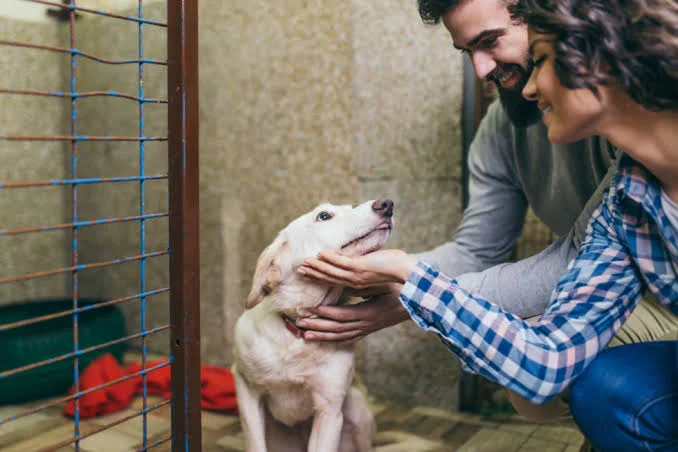
Before adopting a dog, consider its breed characteristics, temperament, size, grooming needs, and ability to adapt to your local climate. Learning about fascinating Asian dog breeds can help prospective owners understand the diversity of dogs found across Asia and make more informed decisions about responsible dog ownership.
Understanding Responsible Dog Adoption at Home
Before proceeding with dog adoption at home, consider your available time, household environment, budget, and ability to provide lifelong care. Responsible dog adoption begins with choosing a dog whose needs fit your household, lifestyle, experience, and available resources. Every dog has an individual temperament, activity level, and care requirement. Before adopting a dog, review our New Puppy Checklist to prepare your home and understand the responsibilities of caring for a new companion.
Before adopting, consider the following questions:
- Can you provide food, fresh water, and a safe resting place every day?
- Do you have enough time for exercise, companionship, and training?
- Can you manage routine veterinary visits and unexpected medical expenses?
- Does your housing arrangement allow dogs?
- Who will care for the dog when you travel or face an emergency?
- Are all household members prepared to accept the responsibility?
If you adopt through a shelter or rescue organization, ask about the dog’s health history, temperament, vaccination status, and known behavioral needs. For puppies, consider the additional time required for toilet training, socialization, and supervision.
Adoption should be a considered, long-term commitment rather than an impulsive choice. Careful preparation can help dogs settle into their new homes and reduce the risk of future abandonment. Choosing a dog whose temperament, activity level, and climate needs suit your household can support a successful adoption. See our guide to Choosing the Perfect Asian Breed for You.
Why Returning an Adopted Dog to a Shelter Can Be Heartbreaking
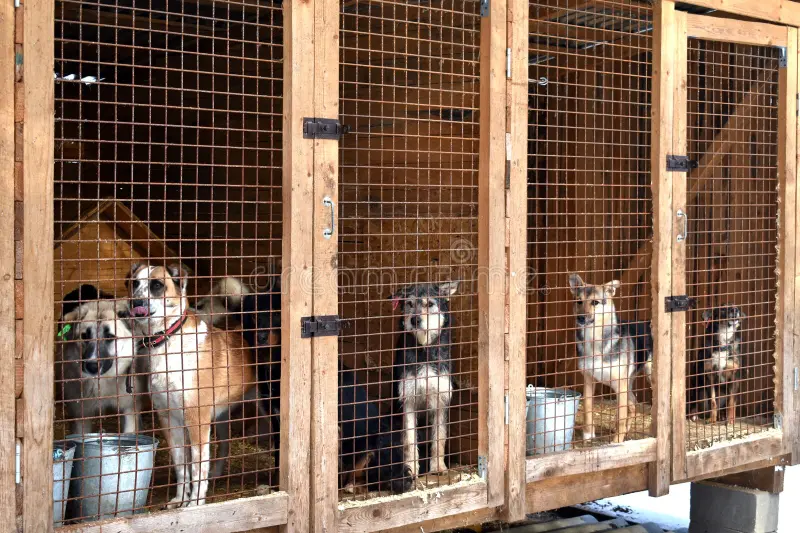
When a dog is adopted into a home, it begins to build a relationship with its new family. It may become familiar with the voices, daily routines, resting places, and people who provide food, safety, and affection. Over time, the home can become a place where the dog feels secure and belongs.
When that dog is suddenly returned to a shelter, the change can be confusing and stressful. The dog may lose familiar surroundings, daily routines, personal attention, and the companionship it has come to depend on. Some dogs may show signs of anxiety, withdrawal, fear, or changes in behavior following separation, although every dog responds differently.
For a dog that has experienced abandonment before, another separation may be particularly difficult. Dogs cannot explain their feelings in words, tell us why they are uncomfortable, or ask their families to give them another chance. Their distress may instead appear through body language, changes in appetite, unusual behavior, or withdrawal from interaction.
A Shelter Is Not the Same as a Loving Home
Animal shelters play an important role in protecting homeless, neglected, and abused dogs. A reputable shelter can provide essential food, veterinary treatment, safety, and opportunities for adoption. However, even a well-managed shelter may not offer the same familiar environment, individual attention, freedom of movement, and family companionship that a suitable home can provide.
Some dogs may find shelter life stressful because of unfamiliar surroundings, noise, limited personal space, changes in routine, or reduced one-to-one interaction. The quality of care also varies between facilities. If staff members handle animals impatiently or inappropriately, a dog’s experience may become even more distressing. Concerns about treatment should be taken seriously and assessed fairly rather than assuming that every shelter provides poor care.
Comparing a shelter directly with a human prison would be too strong because shelters differ greatly in their conditions and purposes. Nevertheless, the underlying concern is important: a dog that has known the comfort and security of a home may struggle when that familiar life is suddenly taken away.
Dogs Cannot Tell Us When They Are Suffering
Dogs communicate through behavior rather than spoken language. A dog that becomes unusually quiet, hides, refuses food, paces repeatedly, or avoids contact may be experiencing stress or may have an underlying medical problem. These signs do not prove that a dog is unhappy with its surroundings, but they deserve attention and, when necessary, veterinary assessment.
Because dogs cannot verbally describe their experiences, people have a responsibility to observe them carefully, handle them humanely, and take their welfare seriously. Their inability to explain their discomfort should never be mistaken for an absence of feelings or needs.
Solve Problems Before Considering a Return
Before returning an adopted dog to a shelter, owners should consider whether the problem can be resolved with practical support. Barking, shedding, toilet-training difficulties, adjustment problems, and many behavioral challenges can often be improved through patience, consistent routines, veterinary advice, and positive-reinforcement training.
If financial or personal difficulties arise, seek help from family members, trusted caregivers, veterinarians, trainers, or animal welfare organizations. Temporary assistance may allow the dog to remain safely with its family while the problem is addressed.
Adoption is a responsibility that continues after the initial welcome. A dog should not be returned simply because it needs time to adjust or requires more patience than expected.
However, keeping a dog in an abusive, dangerous, or seriously unsuitable home is not the answer either. If the dog’s safety or essential needs cannot be protected, responsible rehoming or temporary rescue care may be necessary.
A dog is not a possession to be returned when life becomes inconvenient. It is a living companion that depends on people to make thoughtful, humane decisions. Before ending that relationship, explore every safe and realistic way to preserve the dog’s home, security, and well-being.
Creating a Safe Environment at Home
A safe environment is an essential part of dog adoption at home, helping your new companion feel secure while adjusting to unfamiliar surroundings. A dog needs a comfortable, secure environment where it can rest, eat, play, and interact with family members. You do not necessarily need a large house or garden; the important consideration is whether you can meet the dog’s needs safely. Dogs living in hot climates need appropriate shade, ventilation, and fresh water.
Provide Suitable Shelter and Bedding
Prepare a quiet resting area with comfortable, clean, dry bedding. Make sure the dog has enough room to stand, stretch, turn around, and lie down naturally.
Protect the resting area from excessive heat, cold, rain, and strong drafts. Dogs that spend time outdoors need reliable shade, ventilation, and weather protection. During hot weather, provide access to a cool indoor area because enclosed shelters can become dangerously hot.
Keep Water and Food Areas Clean
Provide fresh drinking water throughout the day and clean food and water bowls regularly. Keep feeding areas away from rubbish, cleaning chemicals, and other hazards.
Remove Household Dangers
Store medicines, pesticides, cleaning products, and toxic foods out of reach. Secure electrical wires and check doors, gates, windows, balconies, and fences to prevent accidental escapes.
Provide suitable toys and a safe place for movement. If you live in an apartment, regular walks, supervised play, and indoor enrichment can help meet your dog’s activity needs.
Dog Health and Everyday Care
Good daily care supports an adopted dog’s health and helps it adjust to its new surroundings. A veterinary examination soon after adoption can help identify medical needs and establish an appropriate preventive-care plan. Regular brushing and coat care can help keep dogs comfortable and maintain healthy skin. Explore our Grooming Tips for Thick-Coated Dog Breeds for practical advice.
Nutrition and Fresh Water
Feed a complete, balanced diet appropriate for your dog’s age, size, activity level, and health. Puppies, adult dogs, and senior dogs may have different nutritional requirements.
Avoid giving dogs potentially toxic foods such as chocolate, grapes, raisins, onions, garlic, and products containing xylitol. Ask a veterinarian about dietary concerns, especially if the dog has an unknown medical history.
Grooming and Hygiene
Brush your dog’s coat according to its type and grooming needs. Check its ears, paws, skin, nails, and coat regularly for wounds, irritation, parasites, or unusual changes.
Maintain dental hygiene with dog-appropriate products, clean bedding regularly, and remove waste promptly. Good hygiene benefits both dogs and the people sharing their living environment.
Veterinary Care and Preventive Health
Discuss vaccinations, parasite prevention, dental care, sterilization where appropriate, and routine health examinations with a veterinarian.
Monitor your dog for changes in appetite, energy, behavior, or toilet habits. Persistent vomiting, diarrhea, loss of appetite, or unusual tiredness should prompt veterinary advice. Breathing difficulties, collapse, suspected poisoning, and heatstroke require urgent veterinary attention. During hot weather, learn to recognize the warning signs by reading our guide to Dog Heatstroke Symptoms: Signs, Prevention & What to Do.
Helping an Adopted Dog Adjust to Home Life
Successful dog adoption at home involves establishing predictable routines, using positive-reinforcement training, and allowing the dog enough time to build trust. Moving into a new home can be unfamiliar or stressful for a dog, particularly one with an uncertain background. Give the dog time to settle in and avoid expecting immediate obedience or affection.
Establish a predictable routine for feeding, toilet breaks, walks, rest, and play. Introduce new people, animals, and environments gradually, allowing the dog to approach unfamiliar situations at a comfortable pace.
Use reward-based training to encourage desirable behavior. Provide a quiet place where the dog can rest without being disturbed, especially during the first few days.
Children should be taught to interact gently and respectfully with dogs. Supervise interactions, and never allow children to disturb a dog while it is eating, sleeping, or trying to move away.
If the dog shows persistent fear, aggression, extreme anxiety, or other concerning behavior, consult a veterinarian or qualified behavior professional. Pain or illness can sometimes contribute to behavioral changes.
Patience, consistency, and appropriate support can help build trust and strengthen the relationship between an adopted dog and its family.
Solving Common Dog Ownership Problems
Everyday difficulties can make pet ownership challenging, but many problems can be managed with practical adjustments and appropriate guidance.
Barking and Noise
Dogs may bark because of excitement, fear, boredom, separation-related distress, or responses to sounds. Identify the underlying cause and provide suitable exercise, enrichment, and reward-based training.
If barking begins suddenly or becomes excessive, seek professional advice rather than relying on punishment.
Shedding and Cleaning
Regular brushing, washable furniture covers, vacuuming, and a designated resting area can help manage normal shedding. Sudden hair loss, persistent itching, or irritated skin should be assessed by a veterinarian.
Toilet Training
Establish a routine with regular toilet opportunities, especially after waking, eating, and playing. Reward the dog immediately for toileting in the appropriate place and clean accidents thoroughly.
Avoid harsh punishment, which may increase fear and make training more difficult. Persistent accidents may require veterinary assessment.
Limited Space and Exercise
Dogs do not all require large gardens, but they do need sufficient movement, stimulation, and companionship. Select a dog whose activity level is compatible with your home and daily schedule.
Walks, play, scent games, and short training sessions can provide physical and mental activity.
Unexpected Expenses
Plan for food, routine veterinary care, grooming, and emergencies. If financial difficulties arise, ask veterinary clinics or reputable animal welfare organizations whether affordable services or practical assistance are available.
Addressing challenges early can make it easier to keep an adopted dog safely at home.
Preventing Dog Abandonment
Preventing abandonment begins with responsible Dog adoption at Home and continues throughout the dog’s life. Owners should understand that changes in finances, housing, family circumstances, or working hours may require adjustments, but these challenges do not always mean a dog must be given up.
Plan for Long-Term Care
Before dog adoption at home, consider future expenses, relocation, holidays, family changes, and access to veterinary services. Agree on caregiving responsibilities with other household members and identify a trusted person who could help during an emergency.
Use Identification
A collar with current contact details can help a lost dog return home. Microchipping, where available, provides an additional identification option. Keep contact information up to date and maintain secure gates and doors.
Consider Sterilization Where Appropriate
Discuss spaying or neutering with a veterinarian who can consider the dog’s age, health, breed, and individual circumstances. Responsible reproductive planning can help prevent unplanned litters and reduce the number of puppies needing homes.
Seek Help Before Giving Up a Dog
If problems arise, consider support from family, friends, veterinarians, trainers, or animal welfare organizations. Assistance with training, temporary caregiving, veterinary costs, or housing advice may help resolve the situation.
If keeping the dog is genuinely no longer possible, responsible rehoming through a trusted caregiver or reputable rescue organization is preferable to abandonment. Share accurate information about the dog’s health, behavior, and needs, and make sure the new home is suitable.
Never abandon a dog on the street or leave it in an unfamiliar place. Doing so exposes the animal to traffic, hunger, disease, extreme weather, and other dangers.
When Is a Shelter or Rehoming Necessary?
The preferred outcome is to help dogs remain with caring families whenever their needs can be met safely. However, staying in the current home is not always possible or appropriate.
Temporary shelter, rescue assistance, or responsible rehoming may be necessary when a dog faces abuse, serious neglect, homelessness, dangerous conditions, or a situation in which essential care cannot be provided.
Before considering a permanent move, explore realistic alternatives such as help from a trusted family member, temporary foster care, veterinary support, or assistance from an animal welfare organization.
When a dog is unsafe in its current environment, protecting its welfare must take priority. Contact an appropriate local animal welfare organization or veterinary professional for guidance.
If a shelter or rescue organization is needed, look for suitable housing, clean facilities, access to veterinary care, humane handling, and responsible dog adoption at home procedures.
A shelter should not be viewed as the automatic solution to ordinary ownership challenges, but it can provide essential protection when a dog has nowhere safe to go. The ultimate goal is to ensure every dog receives consistent, humane, and responsible care.
Frequently Asked Questions
What should I prepare before adopting a dog?
Prepare suitable food, fresh water, bedding, a safe resting area, a collar and identification, appropriate walking equipment, grooming supplies, and access to veterinary care. Also, plan for training, exercise, and unexpected expenses.
How long does an adopted dog take to settle in?
Adjustment varies depending on the dog’s age, temperament, previous experiences, and environment. Some dogs settle quickly, while others need several weeks or longer. A calm environment and predictable routine can help.
Can I adopt a dog if I live in an apartment?
Yes, provided your housing rules allow dogs and you can meet the dog’s exercise, toilet, social, and enrichment needs. Choose a dog whose requirements suit your living arrangements.
What should I do if I cannot afford my dog’s care?
Contact a veterinarian or reputable animal welfare organization to ask about affordable care and available assistance. Review your budget and prioritize essential needs. If you cannot provide safe and adequate care, arrange responsible rehoming rather than abandonment.
Is rehoming the same as abandoning a dog?
No. Responsible rehoming involves finding a suitable caregiver or reputable rescue organization and transferring care safely. Abandonment means leaving a dog without ensuring that it receives appropriate protection and care.
How can I help reduce dog abandonment in my community?
Promote responsible dog adoption at home, educate potential owners, support appropriate sterilization, encourage identification, help reunite lost dogs with their families, and share information about available animal welfare resources.
Conclusion
Responsible dog adoption at home can give a dog a stable, caring environment while helping prevent unnecessary abandonment. Dog adoption at home is the beginning of a long-term relationship built on care, patience, and responsibility. A suitable home, good nutrition, preventive healthcare, training, and regular companionship can help an adopted dog feel safe and become a valued member of the family.
When difficulties arise, owners should seek practical support before considering separation. Responsible preparation, identification, and long-term planning can reduce preventable abandonment and help more dogs remain in loving homes.
When a dog cannot safely stay with its current caregiver, humane rescue or responsible rehoming can protect its welfare. Every dog adoption at home should aim for the same outcome: a safe, stable, and caring home where the dog’s needs are respected throughout its life.