Essential Grooming Tips for Thick-Coated Asian Dog Breeds
Many Asian dog breeds are known for their beautiful, thick coats. From the fluffy Chow Chow and Tibetan Mastiff to the white-coated Japanese Spitz and long-haired Shih Tzu, these dogs have coats that can look impressive but require regular care. Proper grooming is not only about keeping a dog looking clean and attractive. It also helps maintain healthy skin, prevent painful mats, reduce excess shedding, and make your dog more comfortable.
For owners of thick-coated dogs, learning the right grooming routine can make a significant difference. The ideal routine depends on the breed, coat type, climate, age, and lifestyle of the individual dog.
Some thick-coated breeds may need extra care during periods of high heat and humidity. Learn more about dog breeds that struggle in hot and humid climates and the precautions owners can take to support their comfort.
Why Thick-Coated Dogs Need Regular Grooming
A thick coat can trap loose hair, dirt, moisture, and debris close to the skin. Without regular brushing, loose fur can become tangled and develop into mats.
Mats can pull on the skin and make grooming uncomfortable. In severe cases, they can hide skin irritation or parasites and make it difficult for owners to notice changes underneath the coat.
Regular grooming helps remove loose hair, keeps the coat manageable, and allows you to check your dog’s skin and body.
1. Brush Your Dog Regularly
Brushing is one of the most important grooming habits for a thick-coated dog.
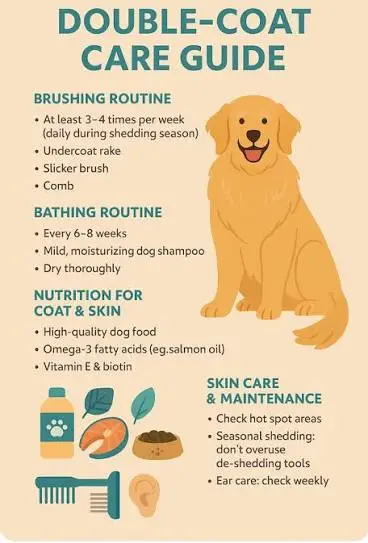
The frequency depends on the breed and coat. Some dogs may need brushing several times a week, while dogs with particularly dense or long coats may benefit from more frequent grooming.
When brushing, work gently through the coat rather than pulling aggressively on knots. Separate the fur into sections and gradually work from the outer coat toward the skin.
Pay special attention to areas where tangles commonly develop, including:
- Behind the ears
- Around the neck
- Under the legs
- Around the tail
- Behind the thighs
- Under the body
If you encounter a large or tightly packed mat, avoid pulling it forcefully. A professional groomer or veterinarian may be able to remove it safely.
2. Choose the Right Grooming Tools
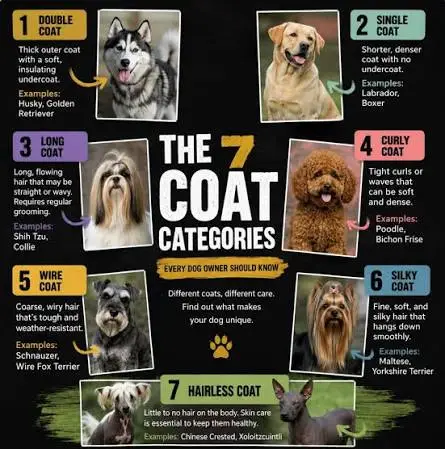
Different coats require different grooming tools. A thick double coat may benefit from a slicker brush, undercoat rake, or appropriate comb, while a long silky coat may require a different combination.
For breeds such as the Chow Chow and Japanese Spitz, owners often need tools that can reach through the dense undercoat without damaging the skin.
Before purchasing grooming equipment, consider your dog’s specific coat type. Using the wrong tool or applying too much pressure can irritate the skin.
3. Pay Attention During Shedding Season
Many thick-coated Asian breeds experience periods of increased shedding. During these times, loose undercoat can accumulate quickly.
More frequent brushing can help remove loose fur before it spreads around the house or becomes tangled in the coat.
Do not try to remove large amounts of undercoat aggressively in a single session. Regular, gentle grooming is usually more comfortable for the dog and easier for the owner.
4. Bathe Your Dog When Necessary
Bathing can help remove dirt and odors, but thick-coated dogs should not be bathed unnecessarily.
Use a shampoo specifically formulated for dogs. Human shampoos may be unsuitable for canine skin and can cause dryness or irritation.
Before bathing, brush the coat to remove loose hair and tangles. After washing, rinse thoroughly because leftover shampoo can irritate the skin.
Drying is especially important for dogs with dense coats. Moisture trapped close to the skin can contribute to discomfort and skin problems.
5. Dry the Coat Thoroughly
A thick coat can take much longer to dry than a short coat. Simply towel-drying the outer layer may leave moisture trapped underneath.
After bathing, gently remove excess water with towels and allow the coat to dry completely. A professional groomer can help with drying when necessary.
Never use excessively hot air on your dog’s skin. If using a pet dryer, follow the manufacturer’s instructions and keep the airflow at a comfortable temperature.
6. Do Not Shave a Double-Coated Dog Just Because It Is Hot
One common misconception is that shaving a thick-coated dog is always the best way to keep it cool.
Many Asian breeds, including the Chow Chow and Japanese Spitz, have double coats. Their coat provides insulation and protection from environmental conditions.
Instead of shaving, focus on regular brushing, removing mats, providing shade, keeping fresh water available, and limiting strenuous activity during extreme heat.
If you are considering clipping or shaving for medical or grooming reasons, discuss the decision with a veterinarian or experienced professional groomer.
7. Keep the Ears Clean
Thick fur around the ears can make it harder to notice dirt, moisture, or irritation.
Check your dog’s ears regularly for unusual odor, redness, discharge, swelling, or signs of discomfort.
Do not insert cotton swabs or other objects deeply into the ear canal. If your dog has recurring ear problems, seek veterinary advice rather than repeatedly treating the ears yourself.
8. Maintain the Paws and Paw Hair
Long hair around the paws can collect dirt, mud, grass, and other debris.
Check your dog’s paws regularly and remove any material that becomes trapped between the toes. Keep the nails at an appropriate length and watch for cracks, injuries, or irritation.
Dogs living in hot Asian climates also need protection from extremely hot pavement. Whenever possible, walk during cooler hours and choose comfortable walking surfaces.
9. Trim the Nails Regularly
Long nails can become uncomfortable and may affect the way a dog walks.
Check your dog’s nails regularly. If you are inexperienced with nail trimming, ask a veterinarian or professional groomer to demonstrate the correct technique.
Avoid cutting too deeply because the sensitive inner part of the nail can bleed and cause pain.
10. Check the Skin Under the Coat
One major benefit of regular grooming is that it allows you to inspect the skin.
Run your hands gently through the coat and look for unusual changes such as:
- Redness
- Swelling
- Bald patches
- Sores
- Lumps
- Parasites
- Excessive scratching
- Unusual odor
Thick fur can sometimes hide skin problems, so regular inspection is particularly valuable.
If you notice persistent irritation or a significant change in your dog’s skin, contact a veterinarian.
Grooming Thick-Coated Dogs in Warm Asian Climates
Climate can have a major influence on grooming needs. Many parts of South and Southeast Asia experience high temperatures and humidity, while other areas of Asia have much cooler conditions.
In warm climates, owners should pay particular attention to keeping the coat clean and dry. Humidity can make a dense coat uncomfortable and may contribute to moisture accumulating close to the skin.
Regular brushing, proper drying after bathing, access to shade, fresh drinking water, and exercise during cooler hours can help a thick-coated dog remain comfortable.
However, grooming alone does not prevent heat-related illness. Owners should always monitor their dogs during very hot weather.
Warm weather requires extra attention to coat care, hydration, and outdoor activity, especially for breeds with dense fur. For breed-specific advice, read our guide to raising healthy Chow Chows in warm climates.
Grooming Different Asian Thick-Coated Breeds
Not every thick-coated Asian dog should be groomed in exactly the same way.
Chow Chow
The Chow Chow has a dense double coat that requires consistent brushing. Pay particular attention to the neck, legs, and areas where the undercoat can become tangled.
Tibetan Mastiff
The Tibetan Mastiff has a heavy coat designed for demanding mountain environments. Regular brushing helps remove loose fur and prevent mats, particularly during shedding periods.
Japanese Spitz
The Japanese Spitz has a fluffy white double coat that benefits from regular brushing. Keeping the coat clean helps maintain its appearance while reducing tangles and loose fur.
Shih Tzu
The Shih Tzu has a long, flowing coat that can become tangled easily. Frequent brushing and careful grooming are important, particularly around the ears, legs, and face.
How Often Should You Groom a Thick-Coated Dog?
There is no single grooming schedule that works for every dog.
A thick-coated dog may need brushing several times per week, while some long-haired breeds may require daily attention. Shedding periods can also increase grooming requirements.
The best approach is to monitor your dog’s coat. If you regularly find tangles, mats, excessive loose hair, or dirt trapped in the fur, the grooming routine may need to become more frequent.
When Should You Use a Professional Groomer?
Professional grooming can be helpful when a dog’s coat is extremely thick, long, tangled, or difficult to manage.
A professional groomer can also help owners learn how to brush their dog’s coat correctly and safely.
Consider professional assistance if:
- The coat has severe mats.
- Your dog becomes extremely stressed during grooming.
- You are unsure how to use grooming tools.
- The coat requires specialized trimming.
- You cannot safely trim the dog’s nails.
- Your dog has a skin or coat problem requiring professional attention.
For medical skin problems, a veterinarian should be consulted rather than relying solely on grooming.
Common Grooming Mistakes to Avoid
Several simple mistakes can make grooming less effective.
Brushing only the surface: Thick coats need attention close to the skin, not just on the outer layer.
Ignoring mats: Small tangles can quickly become larger and more difficult to remove.
Bathing too frequently: Excessive bathing may contribute to dry or irritated skin.
Leaving the coat damp: Moisture trapped in dense fur can cause discomfort and skin problems.
Using human grooming products: Choose products designed specifically for dogs.
Shaving without advice: Double-coated breeds should not automatically be shaved because of warm weather.
Frequently Asked Questions
How often should I brush a thick-coated Asian dog?
The ideal frequency depends on the breed and coat. Many thick-coated dogs benefit from brushing several times a week, while some long-haired breeds may require daily grooming.
Should I shave my Chow Chow in summer?
Generally, shaving a Chow Chow simply because of hot weather is not recommended. Regular brushing and appropriate heat management are usually better approaches. Consult a professional if the coat has severe mats or there is a medical reason for clipping.
How do I prevent mats in a thick coat?
Regular brushing is the best way to prevent mats. Pay particular attention to areas behind the ears, around the neck, under the legs, and near the tail.
Can thick-coated dogs live in hot climates?
Yes, many thick-coated dogs can live in warm climates with appropriate care. Owners should provide shade, fresh water, good ventilation, and exercise during cooler periods while monitoring the dog for signs of overheating.
What should I do if my dog’s coat becomes badly matted?
Do not aggressively pull or cut close to the skin without knowing what you are doing. Severe mats can be painful and may hide skin problems. A professional groomer or veterinarian can assess the coat and remove the mats safely.
Final Thoughts
Thick-coated Asian dogs are beautiful, but their coats require consistent care. Regular brushing, appropriate bathing, thorough drying, nail care, ear checks, and skin inspections can help keep your dog comfortable and healthy.
Whether you care for a Chow Chow, Tibetan Mastiff, Japanese Spitz, Shih Tzu, or another long- or double-coated breed, the key is to develop a grooming routine suited to the individual dog. In warm parts of Asia, grooming should also be combined with responsible heat management, hydration, shade, and appropriate exercise.
A well-maintained coat is not simply about appearance. Regular grooming is an important part of responsible dog care and can help you notice potential health problems before they become more serious.
Let your thoughts settle, and clarity will find you. Use this quote space to share something inspirational or reflective, perfectly aligned with the theme of your article.