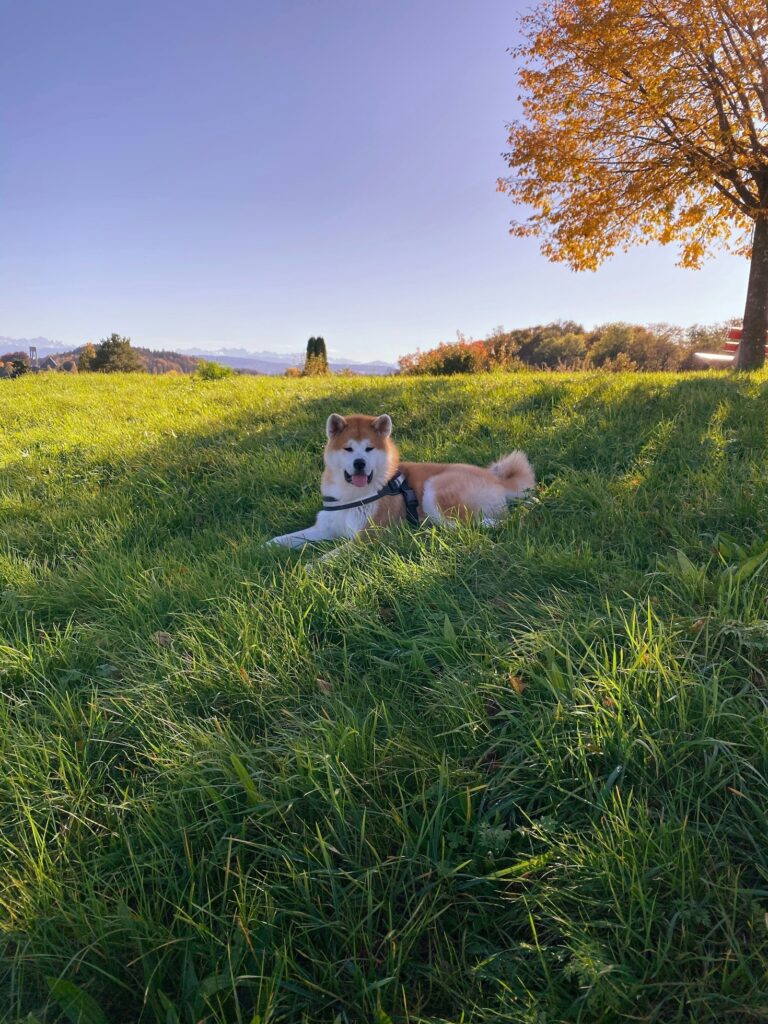
Raising Healthy Chow Chows In Warm Climates
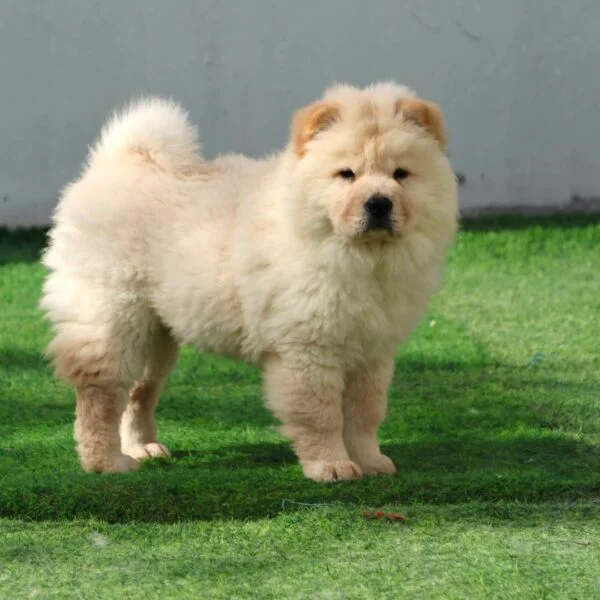
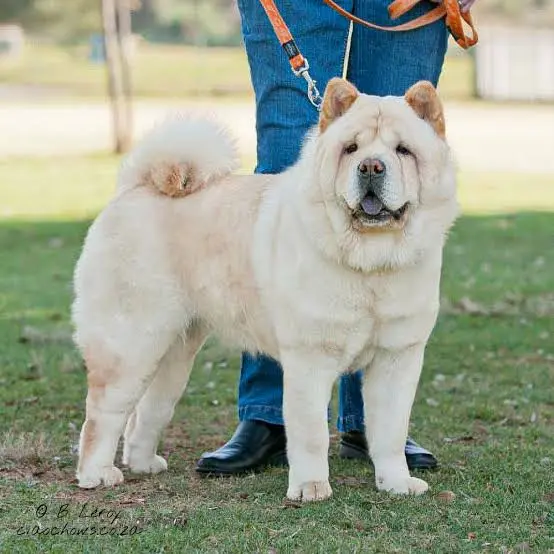
The Chow Chow is one of the most recognizable dog breeds from Asia. Originally associated with northern China, this sturdy dog is famous for its thick double coat, fluffy appearance, broad head, and distinctive blue-black tongue. But what happens when a Chow Chow lives in a warm or humid part of Asia? Because of its dense coat, hot weather can be challenging, so owners need to take extra care to keep their dogs comfortable and healthy.
Understanding the Chow Chow and Its Climate
Chow Chows developed in a cooler region of Asia, where their thick coat protected them from cold temperatures. Today, however, these dogs are kept as companions in many countries with very different climates.
Living in a warm environment does not automatically mean a Chow Chow cannot be healthy. It simply means owners need to understand how heat affects the breed and adjust its daily routine accordingly. Keeping the dog cool, providing fresh water, choosing suitable exercise times, and maintaining its coat are all important.
Keeping a Chow Chow Cool in Hot Weather
During warm weather, a Chow Chow should have access to a cool, comfortable place where it can rest away from direct sunlight. Good ventilation can help, while air conditioning can be particularly useful during periods of extreme heat.
Fresh drinking water should always be available. If your dog spends time outside, make sure it has a shaded area and check its water regularly. Avoid keeping a Chow Chow outdoors for long periods when temperatures are very high.
Exercise During Cooler Hours
Chow Chows still need regular exercise, but hot weather may require a change in schedule. Early morning and evening are generally better times for walks because temperatures are usually lower than during the middle of the day.
During particularly hot weather, shorter walks and gentle activities may be more appropriate. Indoor play and basic training can also provide mental stimulation without exposing your dog to excessive heat.
Never force your Chow Chow to continue exercising if it appears tired, is panting heavily, or is looking for a cooler place to rest.
Adjusting walks and outdoor activities to suit the weather is an important part of responsible dog care. Read our guide on how climate impacts your dog’s daily routine for more advice on exercise, hydration, grooming, and seasonal changes.
Grooming the Thick Chow Chow Coat
The Chow Chow’s thick double coat requires regular grooming. Brushing helps remove loose hair, reduce tangles, and keep the coat in good condition. It also allows owners to check the dog’s skin for irritation, parasites, or other changes.
Although it may seem logical to shave a thick-coated dog during summer, shaving is generally not the best solution. The double coat provides protection for the skin and helps insulate the dog from the environment. Instead, regular brushing and proper coat care are usually preferable.
If the coat becomes heavily matted or difficult to manage, a professional groomer or veterinarian can provide appropriate advice.
Give Your Chow Chow Plenty of Water
Hydration is especially important when caring for a Chow Chow in a warm climate. Make sure clean, fresh water is available throughout the day.
During hot weather, check the water bowl frequently. If your dog spends time outdoors, keep the water in a shaded location where it is less likely to become excessively warm.
Changes in drinking habits can sometimes indicate a health problem. If your Chow Chow suddenly drinks much more or much less than usual, consider discussing the change with a veterinarian.
Maintain a Healthy Weight
A healthy body weight is important for every dog, but it becomes particularly useful when living in a warm climate. An overweight Chow Chow may find exercise more difficult and may have greater difficulty coping with heat.
Feed a complete and balanced diet appropriate for your dog’s age, size, and activity level. Treats should be given in moderation, and portion sizes should be monitored.
Your veterinarian can help you determine whether your Chow Chow is at a healthy weight and recommend an appropriate feeding routine.
Watch for Signs of Heat Stress
One of the most important responsibilities of a Chow Chow owner in a warm climate is recognizing signs that the dog may be struggling with the heat.
Heavy or unusual panting, excessive drooling, weakness, confusion, difficulty breathing, vomiting, loss of coordination, or collapse can be warning signs of serious heat-related illness.
If your Chow Chow shows concerning symptoms in hot weather, move it to a cooler area and contact a veterinarian immediately. Severe overheating can become an emergency.
Protect Your Chow Chow From Hot Surfaces
The temperature of roads, sidewalks, and other outdoor surfaces can become much higher than the surrounding air. Hot pavement can hurt a dog’s paw pads.
Before taking your Chow Chow for a walk, check the surface temperature and choose grass or another cooler route when possible. Avoid long walks on hot pavement, particularly during the hottest part of the day.
Never Leave Your Dog in a Hot Car
A parked vehicle can become dangerously hot very quickly. Never leave a Chow Chow unattended inside a parked car during warm weather, even if the windows are partially open.
If you need to travel with your dog, make sure the vehicle is properly ventilated and temperature-controlled, and plan stops carefully.
Chow Chow Care Across Asia
Asia has a huge range of climates, from the cold regions of northern China to the hot and humid environments of South and Southeast Asia. A Chow Chow living in a cooler mountain region may have very different daily needs from one living in a hot city.
In tropical areas, owners should pay particular attention to humidity, ventilation, hydration, and exercise times. In hot and dry regions, shade and access to water are equally important.
The best approach is to adapt your dog’s routine to the local climate rather than following the same schedule throughout the year.
If you are choosing a dog for a warm environment, climate suitability is an important factor to consider. Explore our guide to the best dog breeds for Pakistan’s climate to learn about other breeds that may suit local conditions.
A Simple Warm-Weather Routine
A simple routine can make caring for a Chow Chow in warm weather easier. Start the day with fresh water and a walk during the cooler morning hours. During the hottest part of the day, allow your dog to rest indoors or in a cool, shaded environment. In the evening, another gentle walk or play session can provide exercise once temperatures become more comfortable.
Regular brushing, healthy meals, fresh water, and routine veterinary care should remain part of the dog’s normal routine throughout the year.
Final Thoughts
Raising a healthy Chow Chow in a warm climate requires a little extra attention, but it is possible to provide a comfortable life with the right care. Keeping your dog hydrated, avoiding excessive heat, exercising during cooler hours, maintaining its thick coat, and monitoring its weight can all contribute to better well-being.
Every Chow Chow is different, so pay attention to your dog’s behavior and tolerance for heat. If you notice unusual symptoms or have concerns about caring for your dog in a particular climate, a veterinarian can provide advice based on your dog’s individual needs.
Sometimes, the simplest moments hold the deepest wisdom. Let your thoughts settle, and clarity will find you. Use this quote space to share something inspirational or reflective, perfectly aligned with the theme of your article.
This paragraph dives deeper into the topic introduced earlier, expanding on the main idea with examples, analysis, or additional context. Use this section to elaborate on specific points, ensuring that each sentence builds on the last to maintain a cohesive flow. You can include data, anecdotes, or expert opinions to reinforce your claims. Keep your language concise but descriptive enough to keep readers engaged. This is where the substance of your article begins to take shape.
As you move toward the midpoint of the article, this paragraph provides an opportunity to connect earlier ideas with new insights. Use this space to present alternative perspectives or address potential questions readers might have. Strike a balance between depth and readability, ensuring the information remains digestible. This section can also serve as a transition to the closing points, maintaining momentum as you steer the discussion to its final stages.
Wrapping Up with Key Insights
In this concluding paragraph, summarize the key takeaways from your article, reinforcing the most important ideas discussed. Encourage readers to reflect on the insights shared, or offer actionable advice they can apply in their own lives. This is your chance to leave a lasting impression, so make sure your closing thoughts are impactful and memorable. A strong conclusion not only ties the article together but also inspires readers to engage further.