Top Ancient Dog Breeds From China
Introduction
China has a long and fascinating history with dogs. For thousands of years, dogs have lived alongside Chinese communities as companions, guardians, hunters, and working animals. Some Chinese dog breeds have ancient roots and have retained distinctive physical characteristics and temperaments over generations.
From the famous Chow Chow to the small and affectionate Pekingese, ancient Chinese dog breeds represent an important part of Asia’s canine history. Their development was influenced by China’s diverse landscapes, climates, cultures, and traditional roles.
In this article, we explore some of the most well-known ancient dog breeds from China, their history, appearance, personality, and traditional uses.
1. Chow Chow
The Chow Chow is one of the most recognizable ancient dog breeds associated with China. It is known for its sturdy body, dense double coat, broad head, and distinctive blue-black tongue.
The breed has historically been associated with northern China and was used for various working purposes, including hunting, guarding, and pulling. Its thick coat helped it cope with colder environments.
Today, the Chow Chow is primarily kept as a companion dog. It is often described as independent, reserved, and loyal to its family.
Because of its dense coat, Chow Chows living in warm climates require careful management. Owners should provide fresh water, shade, suitable exercise times, and regular grooming.
2. Pekingese
The Pekingese is a small companion breed with a long history in China. Traditionally associated with Chinese imperial courts, the breed was valued for its distinctive appearance and confident personality.
Pekingese dogs have a compact body, long flowing coat, short muzzle, and characteristic rolling gait. Despite their small size, they can have a surprisingly independent and courageous temperament.
Today, the Pekingese is primarily a companion dog. Its long coat requires regular grooming, while its short muzzle means owners should be attentive to heat and breathing difficulties.
3. Chinese Shar-Pei
The Chinese Shar-Pei is famous for its loose, wrinkled skin and distinctive appearance. The breed originated in China and has a history as a working and guarding dog.
Shar-Peis were traditionally associated with rural communities and were valued for their protective nature. Their short coat and sturdy build made them practical working dogs.
Modern Shar-Peis are commonly kept as family companions and watchdogs. They are often loyal to their owners but can be reserved around unfamiliar people.
Their skin folds require appropriate care because moisture and dirt can accumulate in the folds. Regular inspection and veterinary attention can help maintain healthy skin.
4. Shih Tzu
The Shih Tzu is another famous Chinese companion breed with historical connections to royal and palace environments. Its name is commonly translated as “lion dog,” reflecting the breed’s distinctive appearance.
Shih Tzus are small dogs with long, flowing coats and friendly personalities. They were developed primarily as companion animals rather than working dogs.
Their affectionate and social nature has made them popular family pets around the world. However, their long coat requires regular grooming, and their short facial structure means they should be protected from excessive heat.
5. Tibetan Mastiff
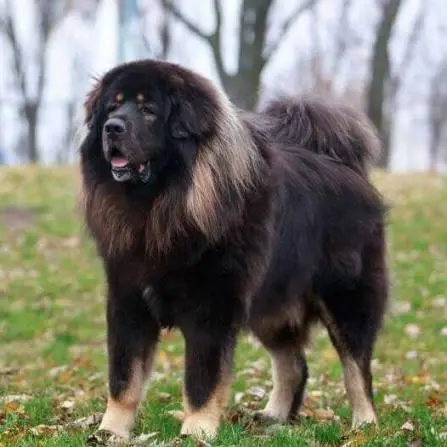
The Tibetan Mastiff is a large guardian breed associated with the Himalayan and Tibetan Plateau regions. Its history is closely connected with pastoral communities and livestock protection.
The breed has a powerful build and a thick coat designed for demanding mountain environments. Tibetan Mastiffs were traditionally used to guard homes, villages, livestock, and property.
Although often discussed alongside ancient Chinese dog breeds, the breed’s historical development is closely tied to the broader Himalayan and Tibetan region rather than being exclusively a Chinese breed.
Today, Tibetan Mastiffs remain known for their imposing appearance, independence, and strong protective instincts.
6. Chinese Crested
The Chinese Crested is a distinctive small companion dog recognized for its unusual appearance. Some individuals have very little body hair, while others have a full coat known as the Powderpuff variety.
Despite its name and long association with China, the exact historical origins of the breed are debated. Its development involved maritime trade and companion dogs from different regions.
The Chinese Crested is generally affectionate and people-oriented. Hairless individuals need particular protection from strong sunlight, cold temperatures, and skin irritation.
7. Kunming Dog
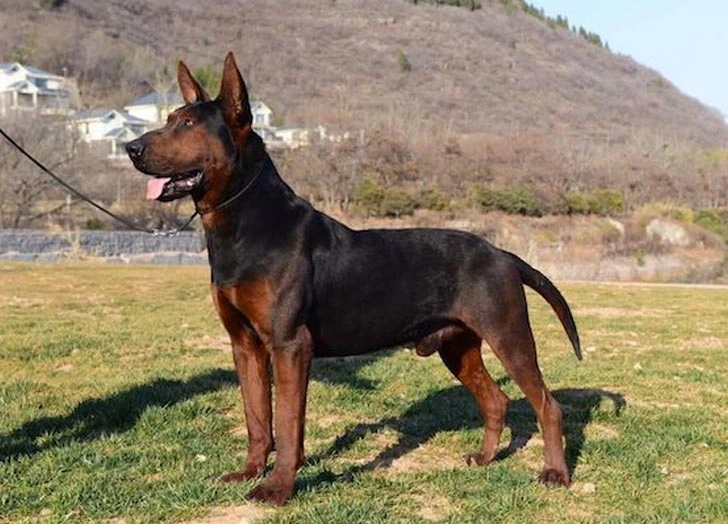
The Kunming Dog is a modern Chinese working breed developed in China during the 20th century. It is often associated with police, military, and working roles.
Unlike breeds such as the Chow Chow and Pekingese, the Kunming Dog should not be considered an ancient breed in the same historical sense. However, it is an important Chinese dog breed because of its working abilities and development within China.
The breed is active, intelligent, and energetic, making it better suited to owners who can provide regular exercise and mental stimulation.
What Makes Chinese Dog Breeds Unique?
Chinese dog breeds developed in a country with enormous geographical and climatic diversity. Northern China has cold winters, mountainous regions have demanding terrain, and southern areas can be hot and humid.
This variety influenced the characteristics of different dogs. Some developed thick coats for colder environments, while others were bred primarily as indoor companions.
Traditional roles also shaped these breeds. Dogs were used for:
- Companionship
- Guarding
- Hunting
- Herding and livestock protection
- Pulling and working
- Palace and household companionship
Their different roles help explain why Chinese dog breeds vary so significantly in size, coat, temperament, and appearance.
Are Chinese Dog Breeds Really Ancient?
Not every dog breed associated with China is equally ancient. Some, including the Chow Chow, Pekingese, and Shar-Pei, have long histories connected to China, while other breeds were developed much more recently.
It is also important to distinguish between a breed’s documented history and the age of its broader ancestral dog population. Ancient dogs may have contributed to later breeds without the modern breed existing in exactly its current form thousands of years ago.
This distinction makes the history of Chinese dogs even more interesting because modern breeds are the result of long relationships between dogs and human communities.
Chinese Dogs and Their Relationship With People
Dogs in China have historically served many purposes beyond companionship. Working dogs helped protect homes and livestock, while hunting dogs assisted people in rural environments. Small companion breeds were also valued in elite and palace settings.
Over time, the relationship between people and dogs changed. Many traditional working roles became less common, while dogs increasingly became household companions.
Today, Chinese dog breeds can be found in homes around the world, where their historical characteristics continue to influence their personalities and care requirements.
Caring for Ancient Chinese Dog Breeds Today
Although these breeds have long histories, their modern care depends on their individual characteristics rather than their age alone.
A Chow Chow may need careful heat management and coat care, while a Pekingese may require attention to its short facial structure. A Shar-Pei needs appropriate skin care, and an active Kunming Dog needs sufficient physical and mental exercise.
Responsible owners should consider:
- Breed-specific nutrition
- Regular veterinary examinations
- Appropriate exercise
- Grooming requirements
- Dental care
- Healthy body weight
- Climate and temperature
- Training and socialization
Understanding a breed’s history can help owners appreciate why certain characteristics exist, but veterinary guidance should be used for individual health and care decisions.
Frequently Asked Questions
What is the oldest dog breed from China?
Several Chinese breeds have very old histories, and identifying one definitive “oldest” breed is difficult. The Chow Chow is often described as an ancient Chinese breed, while the Pekingese and other traditional Chinese breeds also have long histories.
What are the most famous ancient Chinese dog breeds?
Some of the best-known Chinese breeds with ancient or long-established histories include the Chow Chow, Pekingese, Chinese Shar-Pei, and Shih Tzu.
Are Chow Chows an ancient Chinese breed?
Yes. The Chow Chow has a long history associated with China and is widely recognized as one of the country’s ancient dog breeds.
Which Chinese dog breed was associated with royalty?
The Pekingese and Shih Tzu have strong historical associations with Chinese imperial and palace environments.
Are all Chinese dog breeds ancient?
No. Some Chinese dog breeds have ancient histories, while others were developed relatively recently. The Kunming Dog, for example, is a modern working breed developed in the 20th century.
Why do Chinese dog breeds look so different?
Chinese dogs developed for different purposes and environments. Differences in climate, geography, traditional work, selective breeding, and companionship roles contributed to their varied sizes, coats, body shapes, and temperaments.
Final Thoughts
The ancient dog breeds of China provide a fascinating look into the long relationship between people and dogs in Asia. Breeds such as the Chow Chow, Pekingese, Shar-Pei, and Shih Tzu each have distinctive histories and characteristics shaped by Chinese culture, geography, and traditional lifestyles.
Some were valued as guardians and working dogs, while others became cherished companions in households and imperial settings. Although their roles have changed over time, these breeds remain an important part of China’s canine heritage.
Learning about their origins also helps us understand that “ancient breed” does not necessarily mean that a modern breed has remained completely unchanged for thousands of years. Instead, today’s Chinese dog breeds reflect generations of development, selection, and close relationships between dogs and the people who cared for them.
Sometimes, the simplest moments hold the deepest wisdom. Let your thoughts settle, and clarity will find you. Use this quote space to share something inspirational or reflective, perfectly aligned with the theme of your article.
This paragraph dives deeper into the topic introduced earlier, expanding on the main idea with examples, analysis, or additional context. Use this section to elaborate on specific points, ensuring that each sentence builds on the last to maintain a cohesive flow. You can include data, anecdotes, or expert opinions to reinforce your claims. Keep your language concise but descriptive enough to keep readers engaged. This is where the substance of your article begins to take shape.

As you move toward the midpoint of the article, this paragraph provides an opportunity to connect earlier ideas with new insights. Use this space to present alternative perspectives or address potential questions readers might have. Strike a balance between depth and readability, ensuring the information remains digestible. This section can also serve as a transition to the closing points, maintaining momentum as you steer the discussion to its final stages.
Wrapping Up with Key Insights
In this concluding paragraph, summarize the key takeaways from your article, reinforcing the most important ideas discussed. Encourage readers to reflect on the insights shared, or offer actionable advice they can apply in their own lives. This is your chance to leave a lasting impression, so make sure your closing thoughts are impactful and memorable. A strong conclusion not only ties the article together but also inspires readers to engage further.