The Fascinating History of the Japanese Spitz
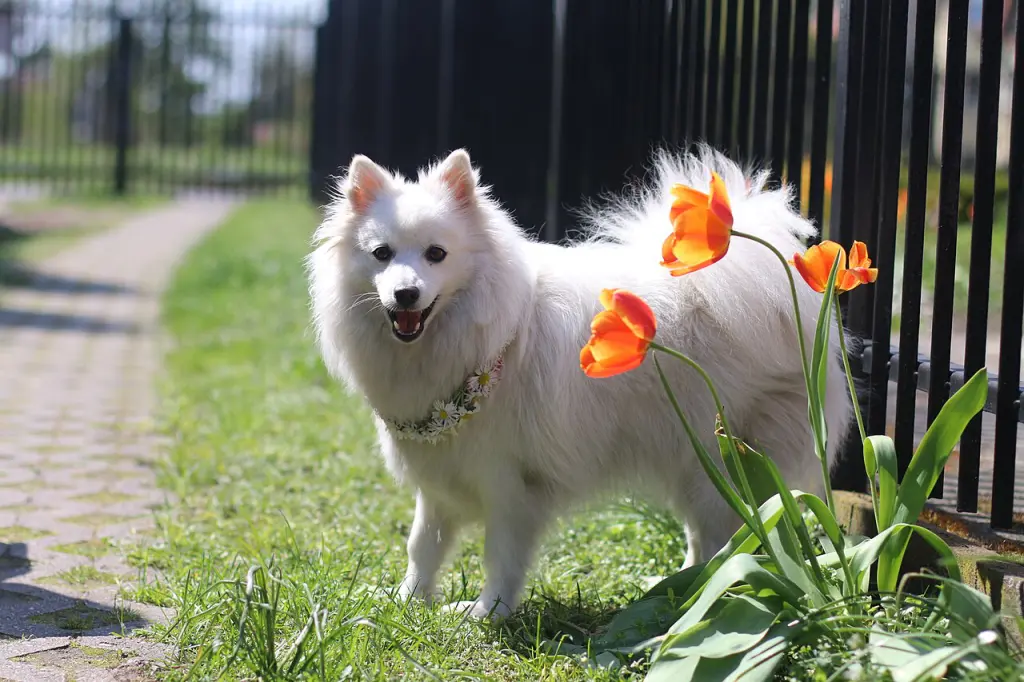
The Japanese Spitz is a charming companion dog known for its pure white coat, pointed ears, dark eyes, and fluffy tail that curls over its back. Although it resembles other Spitz-type dogs, the Japanese Spitz developed into a distinct breed in Japan during the early 20th century. Its history reflects the efforts of breeders who wanted to create an attractive, intelligent, and friendly companion suitable for family life.
Today, the Japanese Spitz is appreciated by dog lovers in Japan and many other countries. Its playful personality, alert nature, and manageable size have helped it become a popular choice for households seeking an affectionate companion. Understanding the history of the Japanese Spitz provides insight into its development, physical characteristics, temperament, and continuing popularity.

The Origins of the Japanese Spitz
The Japanese Spitz emerged in Japan during the 1920s and 1930s. Its development involved Spitz-type dogs brought to Japan from other countries. These dogs shared several recognizable characteristics, including pointed ears, thick coats, curled tails, and an alert appearance.
Breeders worked over successive generations to establish a consistent type of dog with a predominantly white coat and a friendly companion-dog temperament. However, the precise ancestry of the Japanese Spitz is not completely documented, and historical accounts of its foundation breeds can vary.
The goal was to develop a dog that combined an attractive appearance with qualities suited to life alongside people. Rather than serving primarily as a working or guarding dog, the Japanese Spitz became associated with companionship. Its alertness also made it an attentive household dog.
How the Japanese Spitz Developed in Japan
The early development of the Japanese Spitz took place during a period when interest in companion dogs was growing in Japan. Breeders sought to refine the appearance and temperament of Spitz-type dogs into a recognizable breed.
The white coat became one of the breed’s defining features. Its compact body, erect ears, dark facial features, and abundant fur created a distinctive appearance that separated it from many other companion breeds.
Selective breeding gradually helped establish the characteristics now associated with the Japanese Spitz. These included an intelligent expression, an energetic personality, and a coat that forms a noticeable mane around the neck and shoulders.
Although the breed’s exact ancestry remains a subject of historical discussion, its development in Japan is central to its identity. The Japanese Spitz should therefore be understood as a modern Japanese companion breed shaped by earlier Spitz-type dogs rather than as an ancient breed with a fully documented lineage extending back thousands of years.
The Impact of World War II
World War II affected many aspects of life in Japan, including dog breeding. Records and breeding programs were disrupted during the war years, making it difficult to maintain consistent breeding populations.
After the war, Japanese breeders continued working to establish and refine the Japanese Spitz. They focused on preserving the breed’s characteristic white coat, balanced appearance, and companionable nature.
Postwar breeding helped strengthen the consistency of the Japanese Spitz as a recognizable breed. As breeding programs developed, the dogs became better established, and interest in them gradually extended beyond Japan.
This period was important because the breed’s modern identity became more firmly established through continued selection and organized breeding efforts.
The Japanese Spitz Gains Popularity Around the World
As the Japanese Spitz became more established in Japan, it gradually attracted attention in other countries. Its attractive appearance and reputation as an affectionate companion helped introduce it to dog lovers beyond its country of development.
The breed became particularly familiar in parts of Europe and other regions where people appreciated its combination of a fluffy white coat, lively personality, and relatively compact size.
Breed recognition and registration developed through kennel organizations in different countries at different times. These organizations helped define the breed’s expected characteristics and provided standards for responsible breeding and exhibition.
Today, the Japanese Spitz can be found in many parts of the world. Its popularity reflects the continuing appeal of companion dogs that are alert, engaging, and capable of forming close relationships with their families.
Readers interested in the wider range of dogs found across the continent can also explore our guide to fascinating Asian dog breeds, which examines the diversity of breeds associated with different Asian countries and communities.
Physical Characteristics of the Japanese Spitz
The Japanese Spitz is generally considered a small-to-medium-sized dog, although exact size varies according to breed standards and individual dogs. Its most recognizable feature is its dense, predominantly white double coat.
The outer coat stands away from the body, giving the dog a fluffy appearance, while the undercoat provides additional insulation. Its pointed, erect ears and dark, almond-shaped eyes create an alert expression. The tail is heavily feathered and typically carried curled over the back.
Despite its abundant fur, the Japanese Spitz has a balanced appearance rather than an excessively heavy build. Its body is suited to an active companion lifestyle, including walks, play, and interaction with family members.
The coat also requires regular maintenance. Owners can learn more about suitable brushing methods, bathing, and coat care in our guide to essential grooming tips for thick-coated Asian dog breeds, replacing the placeholder link with the published URL of that article before publication.
Temperament and Family Life
The Japanese Spitz is widely described as lively, intelligent, affectionate, and alert. Many individuals enjoy spending time with their families and participating in everyday activities.
Early socialization helps puppies become comfortable around different people, household environments, and other animals. Consistent, reward-based training can also encourage desirable behavior and strengthen communication between dogs and their owners.
Although the breed can adapt to different home environments, it still needs regular exercise, mental stimulation, and companionship. A small living space does not automatically prevent a Japanese Spitz from thriving, provided its daily needs are met.
Some Japanese Spitz dogs may bark to alert their owners to unfamiliar sounds or visitors. Training and appropriate enrichment can help owners manage excessive barking. As with any breed, individual temperament depends on factors such as genetics, early experiences, training, and the care provided throughout life.
Grooming and Care Requirements
The Japanese Spitz’s white double coat is beautiful but needs consistent attention. Brushing several times a week can help remove loose fur and reduce tangles. During periods of heavier shedding, more frequent brushing may be necessary.
Bathing should be done when needed using a shampoo formulated for dogs. After a bath, the coat should be dried thoroughly, including the fur close to the skin. Owners should also check the ears, trim the nails when necessary, and monitor the skin for redness, irritation, or unusual changes.
In warm or humid climates, owners should pay particular attention to hydration, shade, ventilation, and exercise during cooler hours. A thick coat should not automatically be shaved simply because the weather is hot. Instead, regular grooming and sensible heat management can help support the dog’s comfort.
A balanced diet, routine veterinary care, appropriate exercise, and positive interaction are also important parts of responsible ownership.
The Japanese Spitz in the Wider History of Asian Dogs
The Japanese Spitz is one example of how dog breeds have developed through the relationship between people, breeding practices, and local cultural preferences. Across Asia, dogs have served many purposes, from companionship and household alerting to herding and other practical work.
The histories of Asian dog breeds are not all alike. Some have long associations with particular regions and traditional working roles, while others, such as the Japanese Spitz, took shape through more recent, organized breeding programs.
Exploring these differences helps readers understand why Asian dogs vary so widely in size, coat, temperament, and historical purpose. It also highlights the importance of considering each