Exploring Fascinating Asian Dog Breeds
Asia is home to an incredible variety of dog breeds, many of which have developed alongside human communities for hundreds, if not thousands, of years. From the thick-coated dogs of the Himalayan mountains to small companion breeds that originated in East Asia, Asian dogs reflect the region’s diverse climates, cultures, and traditions.
Understanding different breeds also involves learning about responsible reproduction. Read our guide to dog breeding time and the female dog’s heat cycle to learn how veterinary guidance helps determine an appropriate breeding window.
Some Asian dog breeds were developed primarily as guard dogs, hunting companions, herding dogs, or working animals, while others became valued family and companion dogs. Their appearances and personalities can vary significantly depending on their historical purpose and the environment in which they developed.
1. Shiba Inu – Japan
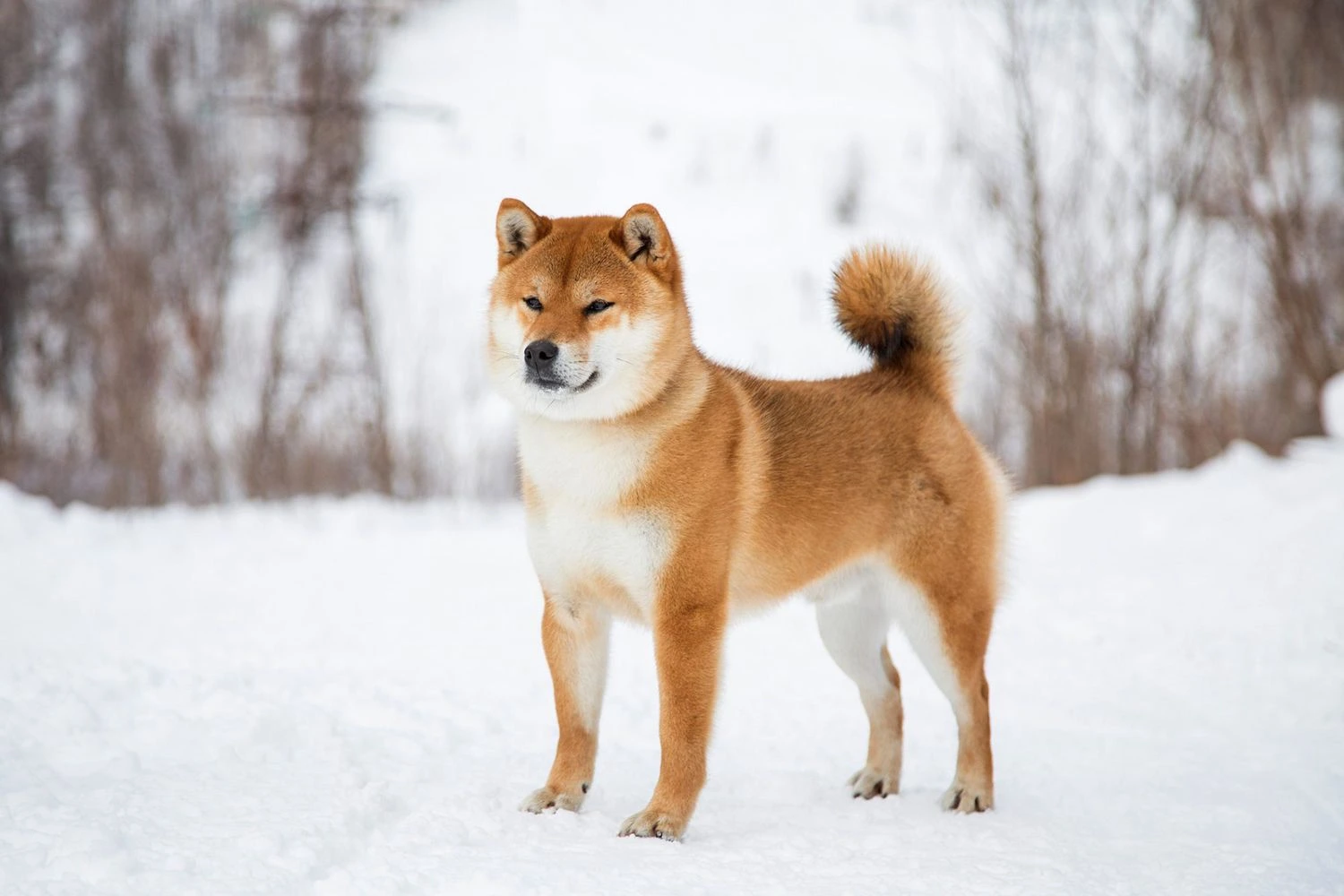
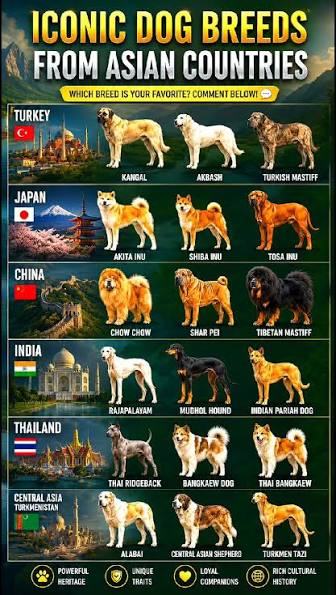
The Shiba Inu is one of Japan’s best-known native dog breeds. It is a relatively small, athletic dog recognized for its fox-like face, upright ears, curled tail, and independent personality.
Historically, Shiba Inus were used for hunting small game in mountainous areas of Japan. Today, they are popular companion dogs around the world. They are intelligent and energetic but can also be independent, so early training and consistent socialization are important.
2. Akita Inu – Japan
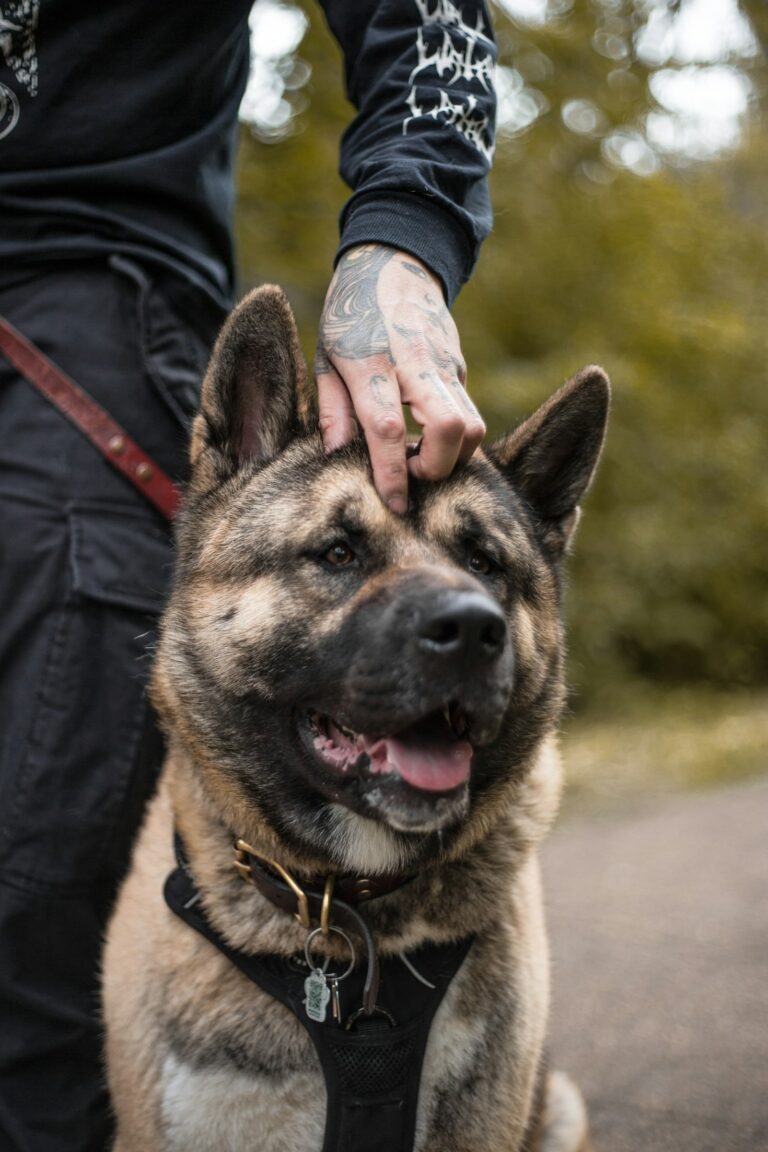
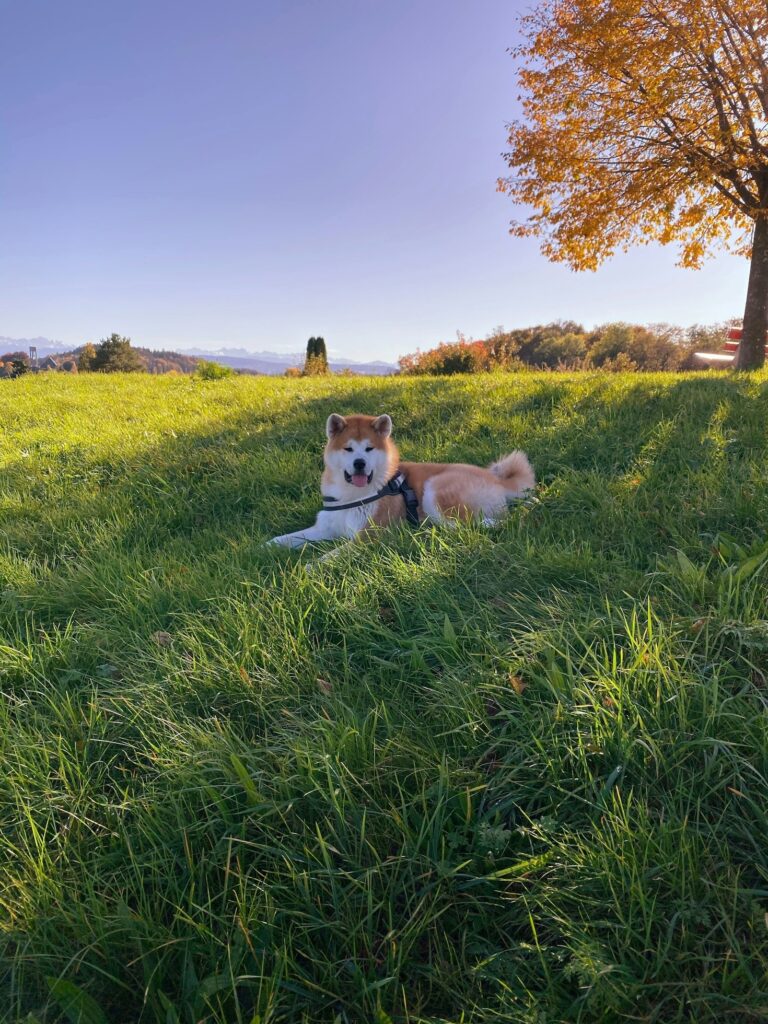
The Akita Inu is a powerful Japanese breed originally associated with hunting and guarding. It has a strong build, thick double coat, and distinctive curled tail.
Akitas are known for being loyal and devoted to their families. However, they can be reserved around strangers and may have strong instincts around other animals. Responsible socialization and training are particularly important for this breed.
3. Chow Chow – China
The Chow Chow is an ancient Chinese breed famous for its thick coat, broad head, and blue-black tongue. It has historically been used for several purposes, including hunting, guarding, and pulling.
Chow Chows often have an independent and somewhat reserved temperament. Their dense coat also requires regular grooming, particularly during periods of heavy shedding.
China has a long history of dog breeding, with several breeds recognized for their distinctive appearance, cultural significance, and historical roles. To learn more about dogs connected to China’s canine heritage, explore our guide to top ancient dog breeds from China.
4. Tibetan Mastiff – Tibet and the Himalayan Region
The Tibetan Mastiff is a large, powerful dog associated with the Himalayan region. Its thick coat provides protection against cold mountain conditions.
Traditionally, these dogs were valued as guardians of homes, livestock, and settlements. Their size and protective nature mean that they require experienced handling, appropriate training, and plenty of space.
5. Lhasa Apso – Tibet
The Lhasa Apso is a small companion and watchdog breed originating in Tibet. Its long, flowing coat is one of its most recognizable characteristics.
Despite its small size, the Lhasa Apso can be confident and alert. Historically, these dogs were valued as watchdogs in monasteries and households.
6. Pekingese – China
The Pekingese is another famous Chinese companion breed. It is a small dog with a distinctive flat face, long coat, and compact body.
Historically associated with Chinese imperial courts, the Pekingese was bred primarily as a companion. Today, it is generally suited to people looking for a small indoor dog, although its coat requires regular care.
7. Korean Jindo – South Korea
The Korean Jindo is a traditional Korean breed known for its intelligence, loyalty, athleticism, and strong hunting instincts. Jindos are medium-sized dogs with an upright posture and curled or sickle-shaped tail.
They can form strong bonds with their owners but may be independent. Consistent training and early socialization can help them become well-adjusted companions.
8. Indian Pariah Dog – India
The Indian Pariah Dog is a naturally adapted landrace found across many parts of India and the surrounding region. These dogs are generally medium-sized, athletic, and well adapted to local climates.
They are often intelligent, alert, and resilient. Many community and street dogs in South Asia share characteristics with this traditional type. When properly socialized and cared for, they can make excellent companions.
9. Himalayan Sheepdog – Himalayan Region
The Himalayan Sheepdog is a large working dog associated with Himalayan communities. It has traditionally been used for guarding livestock and homes.
Its thick coat and sturdy body help it cope with cold mountain environments. Because it is a working breed with strong protective instincts, it generally benefits from experienced ownership, training, exercise, and sufficient space.
10. Japanese Chin – Japan
The Japanese Chin is a small companion breed with a long history in East Asia. It is known for its elegant appearance, feathered coat, and expressive face.
Unlike many large Asian working breeds, the Japanese Chin was primarily developed as a companion. It can adapt well to indoor living when provided with appropriate exercise, attention, grooming, and veterinary care.
Why Asian Dog Breeds Are So Diverse
Asian Dog Breeds: Popular Breeds, Origins, Characteristics & Care Guide
Asia is home to an extraordinary variety of dog breeds and traditional dog types. From the small and energetic Shiba Inu of Japan to the powerful Tibetan Mastiff of the Himalayan region, Asian dogs have developed alongside human communities in environments ranging from cold mountain regions to tropical islands and busy cities.
Many Asian dog breeds were historically developed for specific purposes. Some worked as hunting companions, livestock guardians, herding dogs, or property protectors, while others were bred primarily as companion dogs. Their physical characteristics, temperament, coat types, and exercise needs often reflect the environments and roles for which they developed.
This guide explores some of the most popular and interesting Asian dog breeds, including breeds from Japan, China, Tibet, Korea, Southeast Asia, Central Asia, and South Asia. Understanding their origins and characteristics can help dog lovers learn more about these remarkable breeds and the care they may require.
Popular Asian Dog Breeds by Region
Asia contains dozens of recognized breeds and traditional dog populations. The following sections highlight many of the better-known examples and explain their historical backgrounds and general characteristics.
Japanese Dog Breeds
Japan is home to several distinctive native dog breeds. Japanese dogs are often recognized for their alert expressions, athletic bodies, curled or sickle-shaped tails, and strong personalities.
1. Shiba Inu
The Shiba Inu is one of Japan’s most famous native dog breeds and is now recognized around the world. It is a relatively small but athletic dog with a fox-like face, upright ears, curled tail, and dense double coat.
Historically, Shiba Inus were used for hunting small game in mountainous areas of Japan. Their agility, alertness, and independent nature made them useful hunting companions.
Today, the Shiba Inu is primarily kept as a companion dog. It is intelligent and energetic but can also be independent and strong-willed. Early socialization, positive training, regular exercise, and mental stimulation are important.
2. Akita Inu
The Akita Inu is a powerful Japanese breed with a thick double coat, strong body, upright ears, and curled tail.
The breed has historical connections to hunting and guarding in northern Japan. Akitas are known for their loyalty and strong attachment to their families.
They can be reserved around unfamiliar people and may have strong instincts around other animals. Consistent training and early socialization are therefore particularly important.
Because of their thick coat, Akitas may also require additional consideration in hot climates.
3. Japanese Spitz
The Japanese Spitz is a small-to-medium companion breed known for its bright white coat, pointed ears, and friendly expression.
It was developed in Japan as a companion dog and is generally known for being lively, affectionate, and intelligent.
Its white double coat requires regular brushing to help control loose hair and maintain coat condition. Like other active companion dogs, it benefits from daily exercise and interaction with its owners.
4. Tosa Inu
The Tosa Inu, also called the Tosa Ken, originated in Japan’s Tosa region. It is a large and powerful breed with a strong, muscular build.
Historically, the breed was developed for a specialized working role. Today, responsible ownership is especially important because of its size, strength, and confident temperament.
Training, socialization, appropriate handling, and compliance with local regulations should be considered before owning a large powerful breed.
5. Hokkaido Dog
The Hokkaido Dog is a Japanese breed associated with the northern island of Hokkaido. It has a strong body, pointed ears, thick coat, and curled tail.
The breed historically served as a hunting and working dog and developed characteristics suited to colder conditions.
Hokkaido Dogs are generally energetic and alert. They need regular physical activity, mental stimulation, training, and appropriate grooming.
6. Shikoku Dog
The Shikoku Dog originated on Japan’s Shikoku Island. It is a medium-sized Japanese breed with an athletic build, pointed ears, curled tail, and dense coat.
Historically, Shikoku Dogs were used for hunting in mountainous areas. Their agility and endurance remain important characteristics.
They can be intelligent and independent, so consistent training and early socialization are useful for modern households.
Chinese Dog Breeds
China has a long history of distinctive companion, working, and guardian dogs. Several breeds associated with China are now popular internationally.
7. Chow Chow
The Chow Chow is one of the best-known Chinese dog breeds. It is recognized for its dense coat, broad head, compact body, and blue-black tongue.
Historically, Chow Chows were associated with several working roles, including guarding, hunting, and pulling.
They often have an independent and reserved personality. Their dense coat also requires regular grooming, especially during heavy shedding periods.
8. Pug
The Pug is a small companion breed historically associated with China. It has a compact body, short muzzle, expressive eyes, and distinctive curled tail.
Pugs were developed primarily as companion dogs and have a long history of living closely with people.
Because of their short facial structure, owners should pay particular attention to heat, exercise, and breathing comfort. They generally do best with moderate activity rather than intense exercise, especially in hot weather.
9. Shih Tzu
The Shih Tzu is a small companion breed with a long, flowing coat and distinctive facial appearance. Its historical development is closely associated with China and Tibetan cultural traditions.
Shih Tzus were valued primarily as companion dogs. They are generally suited to indoor living and can form strong bonds with their owners.
Their long coat requires regular brushing and grooming. Their short facial structure also means owners should take care with heat and exercise.
10. Pekingese
The Pekingese is a small Chinese companion breed with a compact body, long coat, and distinctive flat-faced appearance.
Historically, it was associated with the Chinese imperial court and was kept primarily as a companion.
Pekingese can be confident despite their small size. Their long coat requires regular maintenance, while their short muzzle means they should be protected from excessive heat and strenuous exercise.
11. Chinese Shar-Pei
The Chinese Shar-Pei is famous for its loose, wrinkled skin and distinctive appearance. It is a medium-sized Chinese breed with a strong and compact body.
Historically, Shar-Pei dogs were used for different working purposes, including guarding and hunting.
They can be loyal and independent. Owners should pay attention to skin care, grooming, socialization, and routine veterinary care.
12. Chinese Crested Dog
The Chinese Crested Dog is a small companion breed available in different coat varieties. The hairless variety is particularly recognizable for its limited body hair, while the Powderpuff variety has a full coat.
Despite its name, the breed’s exact historical development is more complex than the name alone suggests.
Chinese Crested Dogs are generally companion animals and can adapt well to indoor environments. Hairless individuals require particular attention to skin protection and temperature management.
Tibetan and Himalayan Dog Breeds
The Himalayan region has produced several remarkable dogs adapted to challenging mountainous environments. Thick coats, sturdy bodies, endurance, and protective instincts are common characteristics among some traditional Himalayan working dogs.
13. Tibetan Mastiff
The Tibetan Mastiff is a large and powerful guardian dog associated with Tibet and the Himalayan region.
Its thick coat protects against cold conditions, while its strong body and protective nature historically made it useful for guarding homes, livestock, and settlements.
Because of its size and independent temperament, the Tibetan Mastiff generally requires experienced handling, consistent training, appropriate socialization, and sufficient space.
14. Lhasa Apso
The Lhasa Apso is a small Tibetan companion and watchdog breed known for its long, flowing coat.
Historically, these dogs were valued as alert watchdogs in households and monasteries.
Despite its small size, the Lhasa Apso can be confident and independent. Regular grooming, positive training, socialization, and daily activity help support its wellbeing.
15. Tibetan Spaniel
The Tibetan Spaniel is a small companion and watchdog breed associated with Tibet.
It has a distinctive appearance, feathered coat, and expressive face. Historically, Tibetan Spaniels were valued as alert companions and watchdogs.
They can be intelligent, affectionate, and independent. They generally adapt well to indoor living when provided with exercise, attention, grooming, and mental stimulation.
16. Himalayan Sheepdog
The Himalayan Sheepdog is a large working dog associated with Himalayan communities.
It has traditionally been used to guard livestock and homes. Its sturdy build and thick coat help it cope with cold mountain environments.
This type of working dog usually benefits from experienced ownership, regular exercise, training, sufficient space, and appropriate socialization.
Korean Dog Breeds
Korea has several traditional dog types and breeds with long histories of working alongside people.
17. Korean Jindo
The Korean Jindo is one of Korea’s best-known native breeds. It is a medium-sized dog recognized for its athletic body, upright ears, curled or sickle-shaped tail, and alert expression.
Jindos have historically been associated with hunting and guarding. They are often intelligent, loyal, and strongly bonded with their owners.
Their independent nature means consistent training and early socialization are important.
18. Sapsali
The Sapsali is a traditional Korean dog known for its long, shaggy coat.
The breed has historical cultural significance in Korea and has been associated with companionship and traditional beliefs.
Its long coat requires regular grooming to prevent tangles. As with other dogs, its individual temperament and exercise requirements should be considered when planning care.
19. Nureongi
The term Nureongi has been used in Korea to describe a traditional yellowish dog type rather than functioning simply as the name of a single standardized international breed.
These dogs have historically been associated with local communities and rural environments.
When discussing traditional Asian dog populations, it is useful to distinguish between formally standardized breeds and regional dog types or landraces.
Southeast Asian Dog Breeds
Southeast Asia has a warm climate and diverse environments ranging from tropical forests to islands and urban communities. Several local breeds have developed characteristics suited to these conditions.
20. Thai Ridgeback
The Thai Ridgeback is a medium-sized breed from Thailand, recognized for the distinctive ridge of hair running along its back.
It has historically been used for guarding, hunting, and other practical purposes.
Thai Ridgebacks are athletic and can be independent. They generally benefit from consistent training, early socialization, regular exercise, and secure living environments.
21. Thai Bangkaew Dog
The Thai Bangkaew Dog is a traditional Thai breed associated with Bangkaew village in Phitsanulok Province.
It has a thick coat, alert expression, and strong body. The breed is valued as a companion and watchdog.
Its coat requires regular grooming, and its active nature means owners should provide suitable daily exercise and mental stimulation.
22. Phu Quoc Ridgeback
The Phu Quoc Ridgeback originates from Vietnam’s Phu Quoc Island.
It is recognized for the characteristic ridge of hair along its back and its athletic build.
The breed has traditionally been associated with hunting and guarding. It tends to be active and alert, making regular exercise, training, and socialization important.
23. Kintamani Dog
The Kintamani Dog is an Indonesian breed associated with the island of Bali.
It has a distinctive appearance with a substantial coat and erect ears. The breed developed in the local environment and is now recognized as an Indonesian breed.
Kintamani Dogs can be active and alert and benefit from appropriate exercise, grooming, socialization, and responsible ownership.
24. Aspin / Asong Pinoy
The Aspin, short for Asong Pinoy, is a traditional Filipino dog type rather than a standardized breed in the same sense as some internationally recognized breeds.
Aspin dogs are commonly associated with local communities throughout the Philippines and can vary considerably in appearance.
Many are adaptable, intelligent, and resilient. Like all dogs, their health and behavior depend greatly on nutrition, veterinary care, socialization, and their living conditions.
Central and South Asian Dog Breeds
Central and South Asia are home to several ancient working dogs, regional landraces, and breeds developed for guarding, hunting, and companionship.
25. Afghan Hound
The Afghan Hound is a hound distinguished by its thick, fine, silky coat, and a tail with a ring curl at the end. The breed originates in the cold mountains of Afghanistan. Its local name is Sag-e Tāzī or Tāžī Spay. Other names for this breed are Tāzī, Balkh Hound, Balochi Hound, and Barakzai Hound.
26. Central Asian Shepherd Dog (Alabai)
The Central Asian Shepherd Dog, commonly known as Alabai, is a large guardian breed associated with Central Asia.
It was traditionally used to protect livestock, property, and communities.
These dogs are powerful, independent, and protective. They require experienced ownership, appropriate training, socialization, space, and responsible handling.
27. Sarabi Dog
The Sarabi Dog, sometimes called the Persian Mastiff, is a large guardian dog associated with Iran.
It has traditionally been used for guarding livestock and property. Its large body and protective instincts reflect its working heritage.
Because of its size and strength, responsible training, socialization, sufficient space, and experienced handling are particularly important.
28. Indian Pariah Dog
The Indian Pariah Dog is a traditional landrace found across many parts of India and surrounding areas.
These dogs are generally medium-sized, athletic, alert, and well adapted to local environments.
They are often intelligent and resilient. With proper nutrition, veterinary care, positive socialization, and responsible ownership, many can become excellent companion dogs.
29. Bully Kutta
The Bully Kutta is a large South Asian working dog associated particularly with Pakistan and surrounding regions.
It is known for its substantial build and strong working heritage. Historically, dogs of this type have been associated with guarding and other demanding roles.
Because of its size and strength, responsible ownership is essential. Proper training, socialization, exercise, nutrition, veterinary care, and secure handling should be priorities.
What Makes Asian Dog Breeds So Diverse?
The extraordinary variety of Asian dog breeds is closely connected to the continent’s geography, climate, culture, and human history.
Dogs that developed in cold Himalayan environments often have dense coats and sturdy bodies that protect against low temperatures. In contrast, dogs from tropical regions generally developed characteristics more suitable for warm and humid environments.
Human working requirements also influenced breed development.
Guarding Dogs
Breeds such as the Tibetan Mastiff and Central Asian Shepherd were traditionally valued for protecting homes, livestock, and settlements.
Hunting Dogs
Breeds such as the Shiba Inu, Shikoku Dog, Hokkaido Dog, Afghan Hound, and Thai Ridgeback have historical connections to hunting or other active working roles.
Companion Dogs
Breeds such as the Japanese Chin, Japanese Spitz, Pekingese, Shih Tzu, Lhasa Apso, and Tibetan Spaniel have strong histories as companion or household dogs.
Local and Traditional Dog Types
Not every important Asian dog is a standardized breed. Traditional populations such as the Indian Pariah Dog and Aspin demonstrate how local dogs can develop through adaptation to their environments and close relationships with communities.
Asian Dog Breeds and Climate Adaptation
Climate is an important consideration when caring for an Asian dog breed.
Dogs with thick double coats, such as the Akita Inu, Tibetan Mastiff, Hokkaido Dog, and some Himalayan working dogs, can be well adapted to cold environments but may require additional care in hot weather.
Owners living in warm or tropical areas should provide:
- Constant access to clean drinking water
- Shade and a comfortable resting area
- Good ventilation
- Appropriate exercise schedules
- Regular grooming
- Protection from excessive heat
- Veterinary attention when signs of heat-related illness appear
Short-faced breeds such as the Pug, Pekingese, and Shih Tzu may require additional care during hot weather because their facial structure can affect their ability to cool themselves efficiently.
Climate adaptation does not mean a breed can safely tolerate unlimited heat or cold. Individual health, age, coat, body condition, and living environment all matter.
Caring for Asian Dog Breeds
Choosing an Asian dog breed should involve more than appearance. Different breeds can have very different requirements for exercise, grooming, training, food, socialization, and living space.
Nutrition
Dogs need a balanced diet appropriate for their age, size, activity level, and individual health requirements.
Fresh drinking water should always be available.
Exercise
Exercise requirements vary considerably.
Athletic breeds such as the Shiba Inu, Shikoku Dog, Thai Ridgeback, and Afghan Hound may require regular physical activity and mental stimulation.
Smaller companion breeds may need less intense exercise but still benefit from daily movement and interaction.
Grooming
Coat care can vary from relatively simple brushing to extensive grooming.
Long-coated breeds such as the Afghan Hound, Lhasa Apso, Shih Tzu, and Pekingese may require frequent brushing and professional grooming.
Heavy-coated breeds may also shed considerably during seasonal changes.
Training
Positive, consistent training is valuable for all dogs.
Independent breeds may require patience and clear communication. Large guardian breeds require particularly responsible training because of their size and protective instincts.
Socialization
Early and appropriate socialization can help puppies become comfortable around people, other animals, sounds, and different environments.
Socialization should be gradual and positive rather than overwhelming.
Veterinary Care
Routine veterinary care helps monitor a dog’s overall health.
Vaccinations, parasite prevention, dental care, weight management, and regular health checks should be discussed with a qualified veterinarian.
How to Choose the Right Asian Dog Breed
There is no single Asian dog breed that is perfect for every household.
Before choosing a dog, consider:
Living Space
Large working breeds may require considerably more space than small companion breeds.
Climate
Consider whether the dog’s coat and physical characteristics are suitable for your local environment and whether you can provide appropriate temperature management.
Exercise
High-energy breeds may need significantly more daily activity than companion breeds.
Grooming
Long and dense coats require more time and maintenance.
Temperament
Some breeds are naturally independent or protective, while others were primarily developed as companion dogs.
Experience
Large guardian breeds and powerful working dogs can require more experience than smaller companion breeds.
Time and Commitment
Every dog needs attention, training, veterinary care, nutrition, exercise, and companionship throughout its life.
Asian Dog Breeds at a Glance
| Breed | Region | General Type |
|---|---|---|
| Shiba Inu | Japan | Hunting / Companion |
| Akita Inu | Japan | Working / Companion |
| Japanese Spitz | Japan | Companion |
| Tosa Inu | Japan | Working |
| Hokkaido Dog | Japan | Hunting / Working |
| Shikoku Dog | Japan | Hunting |
| Chow Chow | China | Working / Companion |
| Pug | China | Companion |
| Shih Tzu | China / Tibetan traditions | Companion |
| Pekingese | China | Companion |
| Chinese Shar-Pei | China | Working / Companion |
| Chinese Crested | East Asian historical associations | Companion |
| Tibetan Mastiff | Tibet / Himalayas | Guardian |
| Lhasa Apso | Tibet | Companion / Watchdog |
| Tibetan Spaniel | Tibet | Companion / Watchdog |
| Himalayan Sheepdog | Himalayas | Working / Guardian |
| Korean Jindo | Korea | Hunting / Companion |
| Sapsali | Korea | Companion / Traditional |
| Nureongi | Korea | Traditional dog type |
| Thai Ridgeback | Thailand | Hunting / Guarding |
| Thai Bangkaew | Thailand | Companion / Watchdog |
| Phu Quoc Ridgeback | Vietnam | Hunting / Working |
| Kintamani | Indonesia | Companion / Watchdog |
| Aspin | Philippines | Traditional local dog type |
| Afghan Hound | Afghanistan | Sighthound / Hunting |
| Central Asian Shepherd | Central Asia | Guardian |
| Sarabi Dog | Iran | Guardian |
| Indian Pariah Dog | India / South Asia | Traditional landrace |
| Bully Kutta | South Asia | Working / Guardian |
Stay informed about dog breeds, canine care, and other developments by visiting our latest dog news and updates page for more articles and information.