
Best Dog Breeds for Hot & Humid Climates in Asia: The Ultimate Care Guide

If you live in Southeast Asia, India, or the Middle East, you know that the tropical heat is relentless. For dog owners, this isn’t just an inconvenience—it’s a serious health hazard.
Unlike humans, dogs do not have an efficient sweating system. They rely almost entirely on panting and vasodilation (expanding blood vessels in their ears and face) to regulate their body temperature. When the humidity rises, panting becomes less effective, putting dogs at a high risk for heat exhaustion, heatstroke, and severe skin infections.
Whether you are looking for a new companion or trying to keep your current dog comfortable during a brutal Asian summer, this guide will walk you through the best heat-tolerant breeds and the essential care routines you need to master.
The Best Dog Breeds for Hot Climates in Asia
When selecting a dog for a tropical environment, look for breeds with short, single coats, lean body structures, and a history of living in warm regions.
Here are the top heat-tolerant breeds, particularly those native to Asia:
1. The Thai Ridgeback
Originating in eastern Thailand, this ancient breed was bred for the tropical heat. They possess a short, smooth coat and a muscular, lean body that dissipates heat efficiently. They are highly intelligent and agile, but they require firm, experienced handling and ample space to run.
2. The Indian Pariah Dog (INDog)
This is arguably the most heat-adapted dog in the world. Having evolved naturally on the Indian subcontinent for thousands of years, the Pariah Dog has a short coat, a lean frame, and an incredibly strong immune system. They are highly resistant to local parasites and require very little grooming.
3. The Philippine Aspin
Similar to the Indian Pariah, the Aspin (Asong Pinoy) is a native mixed-breed that has adapted perfectly to the hot, humid, and often chaotic streets of the Philippines. They are medium-sized, short-coated, and exceptionally hardy.
4. The Chihuahua and Miniature Pinscher
Despite their origins outside Asia, their small size and short coats make them surprisingly adaptable to hot urban apartments. Because they are small, they generate less body heat, and their short coats allow for quick cooling.
5. The Basenji
While originally from Central Africa, the Basenji thrives in Asian heat. They have a very short coat and a unique trait: they do not bark (they “yodel”). They are cat-like, clean, and excellent for hot apartments, though they can be stubborn.
The Danger of Double-Coated Breeds (Shiba Inu, Akita, Chow Chow)
Many people fall in love with the fluffy appearance of Japanese breeds like the Shiba Inu or the Akita, or the Chinese Chow Chow. If you live in a tropical Asian country, you must understand how a double coat works.
A double coat consists of a soft, dense undercoat and a longer, tougher outer coat.
- The Outer Coat reflects sunlight and protects the skin from UV rays and insect bites.
- The Undercoat acts as insulation, trapping cool air in the summer and warm air in the winter.
The Golden Rule: Never Shave a Double-Coated Dog
If you shave a Shiba Inu because it looks hot, you will actually ruin its ability to regulate temperature. The exposed skin will be highly vulnerable to sunburn, and the coat may never grow back correctly (a condition known as “clipper alopecia”).
Instead, you must manage the coat:
- Use a specialized undercoat rake daily during shedding season to pull out dead wool. This allows air to circulate directly to the skin.
- Keep them indoors in air conditioning during peak heat (12 PM to 4 PM).
- Walk them only at dawn or late at night.
Navigating the Asian Monsoon Season
If you live in countries like Vietnam, Malaysia, or the Philippines, the extreme heat is often accompanied by the monsoon season. High humidity combined with rain creates a breeding ground for bacteria and fungi.
- Fungal Infections (Hot Spots): Moisture trapped against the skin causes painful, weeping sores called hot spots. Dry your dog thoroughly with a towel after every walk, paying special attention to the armpits, groin, and between the toes.
- Paw Care: The combination of rain and hot pavement can cause paw pad infections. Always dry the paws thoroughly and trim the hair between the paw pads to prevent mud and moisture from clumping.
Heatstroke in Dogs: Know the Signs
Heatstroke is a medical emergency. In the tropical heat of Asia, a dog can go from panting to organ failure in minutes.
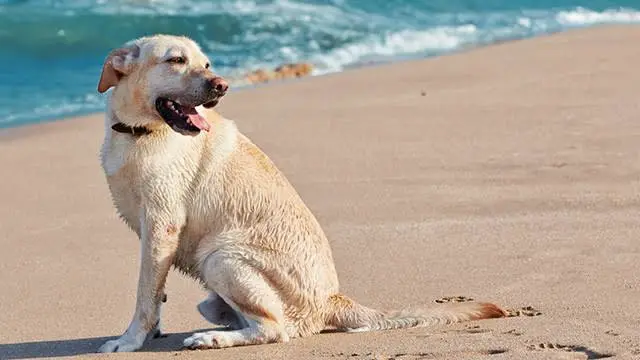
Early Warning Signs:
- Frantic, heavy panting that doesn’t stop
- Excessive drooling and thick saliva
- Bright red gums or tongue
- Restlessness and seeking shade
Severe Signs:
- Weakness, stumbling, or collapsing
- Vomiting or diarrhea
- Seizures or unconsciousness
What to do: Move the dog to an air-conditioned room immediately. Apply cool (not ice-cold) water to their belly, armpits, and paws. Do not submerge them in ice water, as this can cause shock. Point a fan at them and get to a vet immediately.
Quick Reference: Heat Tolerance by Coat Type
Coat Type | Heat Tolerance | Best Breeds | Care Requirements |
|---|---|---|---|
Short, Single Coat | Excellent | Thai Ridgeback, Pariah Dog, Chihuahua | Minimal grooming; watch for sunburn. |
Medium, Single Coat | Good | Basenji, Miniature Pinscher | Regular brushing; avoid peak sun. |
Double Coat | Poor | Shiba Inu, Chow Chow, Akita | Daily undercoat brushing; never shave. |
Long, Thick Coat | Very Poor | Tibetan Mastiff, Afghan Hound | Heavy grooming; strictly indoors. |
Frequently Asked Questions (FAQs)
What is the best dog breed for hot and humid climates in Asia?
The best dog breed for hot and humid climates in Asia depends on your lifestyle, living space, and ability to provide proper care. The Thai Ridgeback, Indian Pariah Dog, and Philippine Aspin may be suitable options because of their short coats and adaptation to warm environments. However, every dog needs shade, fresh water, and protection from extreme heat.
How do I choose the best dog breed for a hot climate and apartment living?
To choose the best dog breed for a hot climate and apartment living, consider the dog’s size, temperament, exercise needs, coat type, and health. Small breeds such as the Chihuahua may adapt well to apartments, but they still need exercise and careful heat management. Always provide a cool indoor space and avoid outdoor activity during the hottest hours.
Can the best dog breed for hot weather still suffer from heatstroke?
Yes. Even the best dog breed for hot weather can develop heatstroke when temperatures and humidity are high. Short-coated breeds may cope better with warm conditions than some heavily coated breeds, but no dog is completely heatproof. Provide plenty of fresh water, avoid hot pavement, schedule walks during cooler hours, and contact a veterinarian immediately if you notice excessive panting, weakness, vomiting, or collapse.
What is the best dog breed for first-time owners in hot climates?
The best dog breed for first-time owners in hot climates depends on temperament, exercise needs, grooming, and health. The Indian Pariah Dog may be worth considering in regions where it is available, while some small companion breeds may suit apartment living. Research each dog’s needs and consult a veterinarian before choosing.
Which is the best dog breed for hot and humid weather in Asia?
The Thai Ridgeback, Indian Pariah Dog, and Philippine Aspin are examples of dogs adapted to warm regional climates. However, the best dog breed for your home depends on your location, living conditions, and ability to provide shade, fresh water, ventilation, and veterinary care. No breed is completely safe from heatstroke.
How can I keep the best dog breed for hot weather cool during summer?
Even the best dog breed for hot weather needs protection during summer. Provide constant access to fresh water and a cool, shaded resting area. Walk your dog early in the morning or later in the evening, avoid hot pavement, and never leave your dog inside a parked vehicle. Seek immediate veterinary assistance if you suspect heatstroke.
Conclusion: Keeping Dogs Safe in Asia’s Hot Climate
Choosing the best dog breeds for hot climates in Asia means considering more than appearance or popularity. Breeds such as the Thai Ridgeback, Indian Pariah Dog, and Philippine Aspin may be well adapted to warm environments, but every dog needs proper care, fresh drinking water, shade, and protection from extreme heat.
During hot and humid weather, schedule walks for cooler hours, avoid scorching pavement, keep your dog’s coat properly groomed, and dry them thoroughly during the monsoon season. Learn to recognize the warning signs of heatstroke and seek immediate veterinary care if you suspect your dog is overheating.
Remember, no breed is completely protected from heat-related illness. By understanding your dog’s individual needs and creating a safe, comfortable environment, you can help your companion enjoy a healthier life in Asia’s challenging climate.
At DogsLiveAsia, we encourage responsible dog ownership through practical, climate-aware care and reliable information. Consult a qualified veterinarian for advice tailored to your dog’s breed, age, health, and local environment.
DogsLiveAsia is an independent resource dedicated to helping dog owners across the continent provide safe, healthy, and happy lives for their pets. For the most accurate veterinary advice, always consult a local professional.