
Best Cold Weather Dog Breeds for Asia: The Ultimate Care Guide
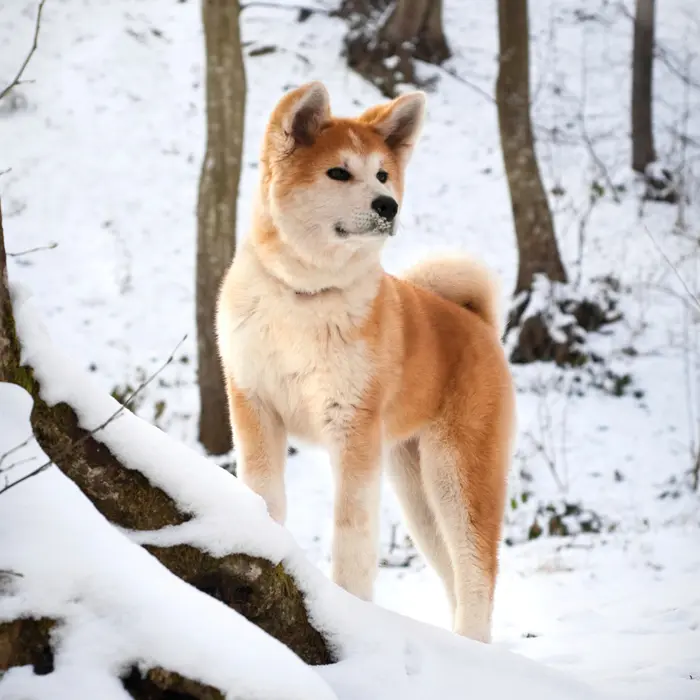
While much of Asia is known for its tropical beaches and sweltering summers, the continent also contains some of the most extreme cold-weather environments on Earth. From the sub-zero altitudes of the Himalayas and the Tibetan Plateau to the freezing winters of northern Japan and Mongolia, winter survival requires specialized adaptation.
If you live in a mountainous or northern region of Asia, or if you own a cold-weather breed, understanding thermoregulation (how a dog manages its body heat) is critical. This guide covers the cold weather dog breeds native to Asia, how to protect your dog from frostbite, and essential winter care tips.
The Best Cold Weather Dog Breeds in Asia
When selecting a dog for a freezing environment, you should look for breeds with thick double coats, insulating body fat, and a history of working in harsh, mountainous terrains. Here are the top cold-tolerant breeds native to the continent:
1. The Tibetan Mastiff
Originating from the Himalayan region, this ancient breed is built for the extreme cold. They possess a massive, thick double coat that sheds heavily once a year. They are primarily livestock guardians, meaning they are highly independent, protective, and require a securely fenced yard and an experienced owner.
2. The Central Asian Shepherd Dog (CASD)
Native to the vast, freezing steppes of Central Asia, this is a powerful livestock guardian. They have a thick, weather-resistant coat and a high tolerance for extreme temperature fluctuations. Like the Tibetan Mastiff, they are highly territorial and not suited for apartment living or novice owners.
3. The Hokkaido Dog (Ainu Ken)
Originating from the freezing northern island of Hokkaido, Japan, this medium-sized spitz breed has a dense double coat and a remarkable tolerance for cold weather and snow. They are incredibly loyal, energetic, and possess a strong hunting instinct.
4. The Mongolian Bankhar
A massive, traditional livestock guardian dog from Mongolia. They are designed to withstand the extreme, biting winds of the Mongolian steppe and are incredibly resilient to harsh winter conditions.
Understanding the Double Coat: Winter Edition
If you own a cold weather breed, the most important aspect of their care is understanding their coat. A double coat consists of two layers:
- The Undercoat: A dense, woolly layer that traps warm air close to the skin, acting like a down jacket.
- The Outer Coat: A longer, tougher layer that repels snow, wind, and moisture.
Winter Care Rules for Double Coats:
- Do not bathe frequently: Over-bathing strips the coat of natural oils, reducing its ability to insulate. Bathe your dog only when necessary, and ensure they are 100% dry afterward.
- Do not cut the coat short: Trimming the coat ruins its natural insulation and exposes the skin to frostbite.
- Brush regularly: Dead undercoat must be brushed out, or it will mat. Matted fur cannot trap heat and will actually make your dog colder.
Winter Hazards: Frostbite and Hypothermia
Even cold weather dog breeds are at risk if left outside in extreme temperatures (below -10°C / 14°F) for extended periods.
Recognizing Frostbite
Frostbite occurs when body tissue freezes. It most commonly affects the extremities: the paw pads, the tips of the ears, the tail, and the scrotum.
- Signs: The skin will appear pale, gray, or bluish. It may feel hard and cold to the touch. As it thaws, it will become red, swollen, and painful.
- Action: Move the dog to a warm room. Do not rub the frostbitten area, as this causes tissue damage. Apply warm (not hot) compresses and seek immediate veterinary care.
Recognizing Hypothermia
Hypothermia occurs when a dog’s core body temperature drops below normal (38.3°C / 101°F). Small breeds, short-coated breeds, puppies, and senior dogs are most vulnerable.
- Signs: Intense shivering, lethargy, stiff muscles, slowed breathing, and loss of coordination.
- Action: Wrap the dog in warm blankets, use a hairdryer on a low setting (keep it moving to avoid burns), and get them to a vet immediately.
Practical Winter Care in Asian Environments
1. Paw Protection
Snow, ice, and de-icing chemicals (like salt) can severely damage a dog’s paws. Use a paw wax to create a barrier between the paw pad and the ice, or use insulated dog boots if your dog tolerates them. After every walk, wash your dog’s paws with warm water to remove ice, snow, and salt, and dry them thoroughly.
2. Nutrition and Hydration in Winter
Dogs burn more calories in the winter to stay warm. If your dog spends a lot of time outdoors, consult your vet about increasing their food intake. Dehydration is also a risk—dogs can easily forget to drink when it’s cold, so ensure their water bowl is not frozen and is refreshed frequently.
3. Indoor Living in Cold Regions
Even cold weather dog breeds should live indoors with the family. If your dog stays in an outdoor kennel or yard, it must have a draft-free, elevated shelter with plenty of dry straw or warm bedding. The doorway should be covered with a flap to keep out the wind.
Frequently Asked Questions (FAQs)
Can I shave my Tibetan Mastiff in the summer?
No. Absolutely not. Even though summers may be warm, shaving a Tibetan Mastiff ruins their double coat and exposes their skin to sunburn and insect bites. Instead, brush them daily during the spring shedding season to remove the dead undercoat.
Is my Shiba Inu safe walking in the snow?
Yes, Shiba Inus generally love the snow and have good cold tolerance. However, watch out for ice forming between their toes, and never leave them outside in extreme blizzards for long periods.
Do cold weather dog breeds need jackets in winter?
Double-coated breeds usually do not need jackets, as they can cause overheating. However, short-coated breeds (like Chihuahuas or Pugs) and senior dogs should wear a waterproof, insulated jacket in freezing temperatures.
Why does my dog limp after walking in the snow?
Limping is usually a sign that ice has formed between their paw pads or that their paws are freezing. Lift the paw and check for ice balls. The quick temperature change from the snow to a warm house can also cause paws to throb.
Conclusion
Choosing the right cold weather dog breeds for your Asian environment is about matching the dog’s natural adaptations to your local climate. Whether you are bringing home a massive Mongolian Bankhar or a spirited Hokkaido, proper winter care is essential.
By understanding how double coats work, preventing frostbite, and providing proper shelter, you can ensure your dog stays safe and comfortable during the harshest Asian winters.
DogsLiveAsia is an independent resource dedicated to helping dog owners across the continent provide safe, healthy, and happy lives for their pets. For the most accurate veterinary advice, always consult a local professional.