Understanding the Temperament of Tibetan Mastiffs
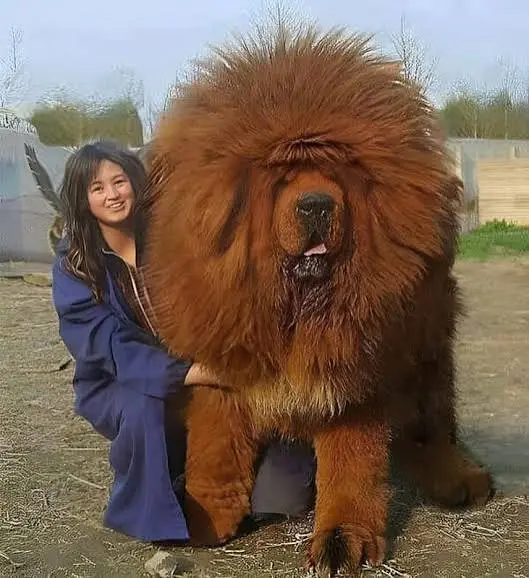
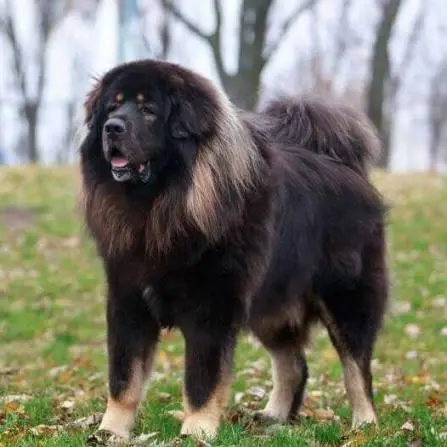
The Tibetan Mastiff is a powerful and impressive dog known for its independence, loyalty, protective instincts, and strong personality. Originating from the high-altitude regions of the Himalayas and Tibetan Plateau, these dogs were traditionally used to guard livestock, homes, monasteries, and communities. Their history as guardian dogs continues to influence their behavior today.
Understanding the Tibetan Mastiff temperament is essential for anyone considering this breed. Unlike dogs that naturally welcome every stranger, Tibetan Mastiffs are often reserved, observant, and protective of the people and territory they know. They can form strong bonds with their families, but their independent nature means they require patient training, early socialization, and responsible handling.
As one of the remarkable dogs associated with Asia’s canine heritage, the Tibetan Mastiff has characteristics that make it distinctive. Readers interested in learning about more breeds and canine care can explore Dogsliveasia.com for additional information about Asian dogs, their histories, and their care requirements.
What Is the Temperament of a Tibetan Mastiff?
Tibetan Mastiffs are generally described as independent, alert, loyal, protective, and reserved around unfamiliar people. They often develop close relationships with their families but may prefer staying nearby rather than constantly seeking attention.
Their behavior reflects their traditional guardian role. Historically, these dogs needed to observe their surroundings, recognize unfamiliar activity, and make decisions without continuous direction from a handler.
However, not every Tibetan Mastiff has the same personality. Genetics, early experiences, socialization, training, health, and living conditions all influence individual behavior. Responsible owners should understand the breed’s common characteristics without assuming that every dog will behave identically.
Naturally Protective and Alert
Protectiveness is one of the best-known characteristics of the Tibetan Mastiff. These dogs were traditionally valued for watching over livestock and property, often in challenging environments where independent decision-making was important.
A Tibetan Mastiff may carefully observe unfamiliar people, sounds, vehicles, or animals near its home. Some dogs become particularly alert at night and may bark when they notice unusual activity.
Although these instincts can make the breed an effective guardian, they also require careful management. Owners should provide secure boundaries, teach appropriate behavior around visitors, and avoid encouraging unnecessary aggression.
A protective dog still needs to learn how to respond calmly to ordinary situations. Good training helps owners manage guarding behavior without relying on intimidation or harsh punishment.
Loyalty and Attachment to Family
Tibetan Mastiffs can form strong attachments to the people they trust. Their loyalty may appear through their willingness to remain near family members, observe household activity, and protect familiar surroundings.
However, they are not always as openly affectionate or attention-seeking as some companion breeds. A Tibetan Mastiff may enjoy being near its owner without constantly asking to be petted or held.
Respecting the dog’s personality is important. Owners should provide regular positive interaction while allowing the dog suitable space to rest and relax.
Understanding Their Independent Personality
The Tibetan Mastiff’s independence can make training more challenging for inexperienced owners. Because these dogs historically worked as guardians, they were expected to assess situations rather than wait for constant commands.
This does not mean a Tibetan Mastiff cannot learn obedience. It means training often requires patience, consistency, and a clear understanding of what motivates the individual dog.
Short sessions, rewards, calm communication, and predictable routines can help build cooperation. Harsh physical punishment may damage trust and increase the risk of defensive responses.
Owners should begin basic training early and continue reinforcing important skills throughout the dog’s life.
Are Tibetan Mastiffs Good Family Dogs?
A Tibetan Mastiff can be a devoted family companion in a suitable household. However, its large size, protective instincts, and independent temperament mean that the breed is not ideal for every owner.
Families should be prepared to provide early socialization, consistent training, secure housing, and responsible supervision. An experienced owner who understands guardian breeds may be better equipped to manage the challenges associated with this dog.
A Tibetan Mastiff may be calm and affectionate around familiar family members while remaining cautious around visitors. Owners should plan introductions carefully and avoid placing the dog in situations where it feels pressured or threatened.
How Tibetan Mastiffs Behave Around Strangers
Tibetan Mastiffs are often reserved around unfamiliar people. Rather than approaching every visitor enthusiastically, a dog may watch from a distance and assess the situation.
This behavior is consistent with its guardian background, but it should still be managed responsibly. Introduce visitors calmly, give the dog enough space, and avoid forcing physical contact.
Early, positive exposure to different people and everyday situations can help puppies develop confidence. Socialization does not mean teaching a guardian breed to greet everyone; it means helping the dog respond appropriately to unfamiliar experiences.
If a Tibetan Mastiff displays threatening behavior, lunging, or difficulty settling around visitors, seek advice from a qualified professional experienced with large guardian breeds.
Tibetan Mastiffs and Other Dogs
A Tibetan Mastiff’s behavior around other dogs depends on its individual temperament, socialization, previous experiences, and the circumstances of the interaction.
Early positive exposure can help puppies develop appropriate social skills. Nevertheless, owners should not assume that every Tibetan Mastiff will automatically get along with unfamiliar dogs.
Introduce dogs gradually and under controlled conditions. Supervise interactions, provide enough space, and separate animals if either dog shows signs of distress or escalating tension.
Extra care is particularly important when introducing adult dogs or managing interactions involving food, toys, resting areas, or territory.
Tibetan Mastiffs and Children
Tibetan Mastiffs may develop strong bonds with children in their household, but their considerable size and strength require responsible supervision.
Children should learn not to pull the dog’s coat, disturb it while sleeping, climb on it, or interfere when it is eating. Adults should supervise interactions and ensure the dog has a quiet place where it can rest without being disturbed.
Even a dog with a calm temperament can react if frightened, hurt, or overwhelmed. Young children should never be left alone with a large dog.
Why Early Socialization Matters
Early socialization is particularly important for a protective breed such as the Tibetan Mastiff. Puppies should gradually experience different people, sounds, environments, surfaces, and suitable animals in safe, positive ways.
The objective is to help the puppy become confident and comfortable in everyday situations. A well-socialized dog is more likely to distinguish ordinary activity from circumstances that genuinely require attention.
Socialization should continue as the dog matures. Avoid overwhelming the puppy with intense experiences or forcing interactions. If you are unsure how to proceed, consult a veterinarian or qualified dog trainer.
Training a Tibetan Mastiff
Training a Tibetan Mastiff requires patience, consistency, and realistic expectations. Positive reinforcement can encourage cooperation while helping maintain a trusting relationship between the dog and its owner.
Important skills include:
- Coming when called.
- Sitting and staying when instructed.
- Walking calmly on a leash.
- Responding to “leave it” and “drop it.”
- Settling quietly when visitors arrive.
- Accepting routine handling and grooming.
Keep sessions short and engaging, and practise in different environments once the dog understands the basics. Because Tibetan Mastiffs grow into powerful adults, leash manners and reliable handling are especially important.
Owners who encounter serious behavioral difficulties should seek professional help rather than relying on punishment or attempting to suppress warning signals.
Do Tibetan Mastiffs Bark a Lot?
Tibetan Mastiffs are known for their deep, powerful bark and tendency to alert their owners to unfamiliar activity. Barking can be part of their natural guarding behavior.
This may become difficult in densely populated neighborhoods where noise affects nearby households. Before choosing the breed, consider whether your living environment can accommodate a naturally alert dog.
Training and suitable management may help reduce unnecessary barking, but owners should not expect every Tibetan Mastiff to behave like a naturally quiet companion breed.
Are Tibetan Mastiffs Aggressive?
Protective behavior and aggression are not the same thing. A Tibetan Mastiff may be naturally suspicious of strangers without automatically being aggressive.
However, inadequate socialization, irresponsible breeding, poor management, fear, or certain health problems can contribute to concerning behavior. Because this is a large and powerful breed, owners should take signs of escalating aggression seriously.
Provide appropriate training, supervise interactions, maintain secure boundaries, and consult a veterinarian or qualified behavior professional if you notice persistent growling, lunging, snapping, or other worrying changes.
Responsible ownership means managing the dog’s natural instincts while protecting the safety and comfort of people and other animals.
Exercise and Mental Stimulation
Tibetan Mastiffs need regular movement and mental stimulation, although individual exercise requirements vary according to age, health, and temperament.
Controlled walks, opportunities to explore suitable environments, basic training exercises, and scent-based activities can provide useful enrichment. A secure outdoor area can also allow the dog to move around and observe its surroundings.
Avoid excessive exercise during hot weather, particularly for puppies, older dogs, or dogs with health concerns. Exercise should be adjusted to the individual dog rather than based on size alone.
Caring for Tibetan Mastiffs in Warm Asian Climates
The Tibetan Mastiff developed in cold, high-altitude environments and has a thick double coat. Owners living in warm parts of Asia need to pay particular attention to heat management.
Provide fresh drinking water, shade, good ventilation, and a cool place to rest. Schedule walks and outdoor activities during cooler periods, and avoid strenuous exercise when temperatures are high.
Regular brushing helps remove loose fur and maintain the coat. Do not automatically shave a double-coated dog because of hot weather; consult a veterinarian or experienced groomer if clipping is being considered for a specific reason.
Watch for excessive panting, weakness, confusion, vomiting, or collapse, which can indicate heat-related illness. Suspected heatstroke requires urgent veterinary attention.
Common Misunderstandings About Tibetan Mastiff Temperament
Myth: Every Tibetan Mastiff is aggressive. Individual behavior varies, and protective instincts do not automatically mean aggression.
Myth: Tibetan Mastiffs do not need training. Their independent nature makes consistent training especially important.
Myth: They always obey immediately. They can be intelligent while still being independent decision-makers.
Myth: A large yard solves every behavioral problem. Space helps, but socialization, training, supervision, and enrichment remain essential.
Myth: Their thick coat means they can tolerate any weather. Their coat does not eliminate the risk of overheating in warm climates.
Is a Tibetan Mastiff Right for You?
A Tibetan Mastiff may suit an experienced owner who understands guardian breeds and can provide secure housing, early socialization, regular training, and careful management around unfamiliar people and animals.
It may be less suitable for someone seeking a highly social dog that welcomes every visitor or responds instantly to every command. Before choosing this breed, consider its adult size, protective instincts, grooming requirements, vocal behavior, exercise needs, and suitability for your climate.
A dog’s appearance alone is not a reliable guide to whether it will fit your household. Understanding temperament and daily care requirements is a much better starting point.
Frequently Asked Questions
Are Tibetan Mastiffs friendly?
They can be loyal and affectionate with their families but are often reserved around unfamiliar people. Individual temperament varies according to genetics, socialization, training, and environment.
Are Tibetan Mastiffs easy to train?
They can be challenging for inexperienced owners because of their independent nature. Consistent, reward-based training and early socialization are important.
Do Tibetan Mastiffs make good guard dogs?
Their history, alertness, size, and protective instincts make them naturally inclined toward guarding. Owners must still manage these instincts responsibly.
Are Tibetan Mastiffs good with children?
They may bond closely with children in their household, but their size and strength make adult supervision essential. Children must learn to interact respectfully with dogs.
Do Tibetan Mastiffs bark at night?
Some bark at night in response to unfamiliar sounds or activity. Secure boundaries, appropriate training, and consideration for neighbors are important.
Can Tibetan Mastiffs live in hot climates?
They may live in warm climates when their needs are carefully managed. Shade, fresh water, ventilation, cool resting areas, and exercise during cooler hours are essential.
Final Thoughts
Understanding the temperament of a Tibetan Mastiff means looking beyond its impressive appearance. This powerful guardian breed is known for independence, loyalty, alertness, and strong protective instincts. These qualities can make it a devoted companion, but they also bring responsibilities that should not be underestimated.
Early socialization, consistent positive training, appropriate exercise, and careful management around strangers and other animals can help a Tibetan Mastiff become a more confident and well-adjusted dog. Anyone considering this remarkable breed should assess their experience, living environment, and ability to meet its needs before making a commitment.