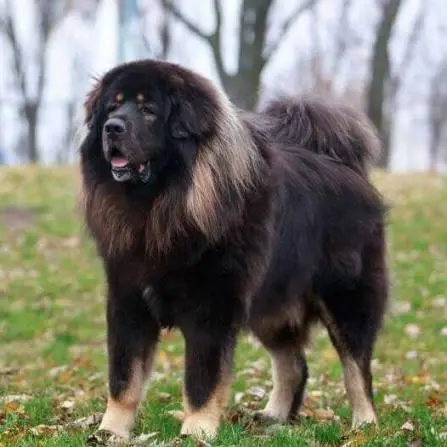
Uncovering The Origins Of The Akita Inu
Uncovering The Origins Of The Akita Inu
The Akita Inu is one of Japan’s most recognizable dog breeds, with a history shaped by northern Japan’s environment and traditions. To discover more breeds from across the region, explore our guide to fascinating Asian dog breeds.
Uncovering the origins of the Akita Inu helps explain how this powerful dog developed from a regional working breed into a national symbol of Japan. Its history includes hunting, companionship, cultural traditions, and major changes that influenced the breed’s survival and development.
Where Did the Akita Inu Originate?
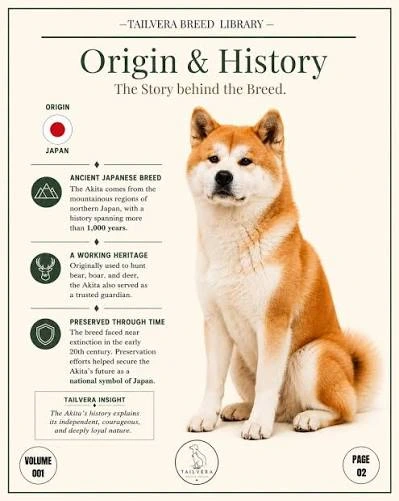
The Akita Inu originated in the Akita Prefecture of northern Honshu, Japan. The mountainous and snowy environment of this region played an important role in shaping the breed’s physical characteristics and working abilities.
Early Akita-type dogs were valued as versatile working animals. Their strength, endurance, alertness, and ability to handle challenging terrain made them useful companions for people living in rural areas.
The name Akita Inu reflects this connection to its homeland. In Japanese, “Inu” simply means dog, while Akita refers to the region associated with the breed.
The Early History of the Akita Inu
The exact early history of the Akita Inu is complex because Japanese dog breeds developed over long periods and historical records from earlier centuries are limited.
Akita-type dogs were associated with northern Japan and were used for practical purposes, particularly hunting. Their development was influenced by the local environment and the needs of the communities that kept them.
These dogs were not originally bred simply for appearance. Their strength, courage, endurance, and ability to work independently were valuable characteristics.
Over generations, these qualities became important parts of the Akita Inu’s identity.
The Akita Inu as a Hunting Dog
One of the most important roles in the history of the Akita Inu was hunting.
Akita-type dogs were used to help hunters track and confront large game in the rugged landscapes of northern Japan. Their courage and physical strength made them suitable for challenging work.
Hunting required more than strength. A successful working dog needed to be alert, responsive, persistent, and capable of operating in difficult terrain.
These working qualities helped shape the Akita Inu’s reputation as a confident and independent breed.
Life in the Snowy North of Japan
The environment of northern Japan also influenced the development of the Akita Inu.
Cold winters and snowy landscapes favored dogs with physical characteristics that helped them tolerate harsh conditions. The breed developed a dense double coat, strong body, and sturdy build.
Its thick coat provides insulation, while its compact and muscular body supports endurance and movement.
These characteristics are still visible in the modern Akita Inu.
How the Akita Inu Became a Japanese Symbol
Over time, the Akita Inu became more than a working dog. It became closely associated with Japanese culture and national identity.
The breed’s loyalty and dignified character contributed to its growing cultural importance.
One of the most famous examples of this reputation is Hachikō, an Akita Inu remembered for his extraordinary loyalty to his owner in early 20th-century Tokyo.
Hachikō’s story became widely known throughout Japan and later around the world. His loyalty helped strengthen the Akita’s association with devotion and faithfulness.
Hachikō and the Akita Inu
Hachikō was born in 1923 and became known for waiting at Shibuya Station for his owner, even after his owner’s death.
His story touched the public and eventually became an important part of Japanese popular culture.
A statue of Hachikō stands near Shibuya Station today, and his story continues to introduce people around the world to the Akita Inu.
Although one dog cannot define an entire breed, Hachikō helped create a lasting cultural connection between the Akita and the idea of unwavering loyalty.
Challenges in the Akita Inu’s History
The Akita Inu’s history was not always easy.
During periods of social change and modernization, traditional working roles became less important. Changes in dog breeding practices also affected the development of Japanese breeds.
The Akita population faced additional difficulties during the 20th century, including the disruption caused by World War II.
These challenges made preservation efforts increasingly important.
Efforts to Preserve the Breed
Japanese breeders and dog enthusiasts played an important role in preserving the Akita Inu.
Organizations dedicated to Japanese dogs helped establish breeding standards and promote the preservation of traditional characteristics.
The breed’s recognition and preservation efforts helped protect the Akita Inu from disappearing or losing its distinct identity.
Today, the Akita Inu is recognized as an important Japanese breed with a strong connection to its historical roots.
Akita Inu vs. American Akita
It is important to distinguish the Akita Inu from the American Akita.
Both have historical connections to Japanese Akita dogs, but they developed along different breeding paths.
The Akita Inu is generally associated with the traditional Japanese type, while the American Akita developed into a larger and somewhat different breed type.
Although they share ancestry, their appearance, breed standards, and development are not identical.
Understanding this distinction is useful when researching the history and characteristics of Akitas.
What Makes the Akita Inu Unique?
The Akita Inu combines several qualities that reflect its historical development.
Strong and Athletic Build
The Akita Inu has a powerful body designed for endurance and physical activity. Its sturdy structure reflects its history as a working and hunting dog.
Thick Double Coat
Its dense double coat helps protect the dog from cold weather. This characteristic is particularly suited to the climate of northern Japan.
Independent Personality
Akitas are often known for being independent and confident. This trait can be connected to their historical working role, where dogs needed to make decisions and work with limited direction.
Loyalty to Their Families
Akita Inu dogs are often deeply attached to their families. However, they may be reserved around unfamiliar people.
Distinctive Appearance
The breed has a broad head, upright triangular ears, curled tail, muscular body, and confident posture that make it immediately recognizable.
The Akita Inu in Modern Japan
Today, the Akita Inu is primarily kept as a companion dog, although its historical working qualities remain part of its identity.
The breed is recognized as a natural monument of Japan, reflecting its cultural and historical importance.
Modern Akitas can be found in homes across Japan and in other countries around the world.
Despite this international popularity, the breed continues to have a strong connection to its Japanese origins.
How the Environment Shaped the Akita Inu
The story of the Akita Inu demonstrates how geography can influence the development of a dog breed.
Northern Japan provided cold winters, mountainous terrain, and rural communities where strong working dogs were valuable.
Over generations, these conditions helped favor characteristics such as:
- A dense protective coat
- Physical strength
- Endurance
- Alertness
- Confidence
- Independence
- Adaptability to cold conditions
The Akita Inu’s appearance and personality therefore cannot be separated completely from the environment in which the breed developed.
Caring for an Akita Inu Today
Before welcoming an Akita Inu into your family, consider its exercise requirements, training needs, temperament, and long-term care. Our guide to dog adoption at home, including safety, health, care, and abandonment prevention explains the responsibilities involved in providing a dog with a safe and stable home.
Understanding the breed’s history can also help owners understand its modern needs.
Akita Inu dogs generally benefit from regular exercise, consistent training, early socialization, and a structured home environment.
Their thick coat also requires regular brushing, particularly during periods of heavy seasonal shedding.
Because Akitas can be independent and strong-willed, positive and consistent training is important. They are not necessarily the easiest breed for inexperienced owners, especially when socialization and handling needs are overlooked.
In warm climates, including many parts of Asia, owners should also pay close attention to heat management. Provide access to shade, fresh water, and a cool resting area, and avoid strenuous exercise during the hottest part of the day.
Frequently Asked Questions
Where did the Akita Inu originate?
The Akita Inu originated in Akita Prefecture in northern Honshu, Japan.
What was the Akita Inu originally bred for?
Akita-type dogs were historically used as working and hunting dogs in northern Japan. Their strength, courage, and endurance were valuable characteristics.
Is the Akita Inu an ancient breed?
The Akita Inu has deep historical roots in Japan, but it is more accurate to describe it as a traditional Japanese breed whose characteristics developed over generations rather than claiming that the modern breed has remained unchanged for thousands of years.
Why is the Akita Inu famous?
The Akita Inu is famous for its distinctive appearance, loyalty, Japanese heritage, and the story of Hachikō, one of the breed’s most famous representatives.
Is the Akita Inu the same as the American Akita?
No. The Akita Inu and American Akita share historical ancestry but developed into distinct breed types with differences in appearance and breed standards.
Can Akita Inu dogs live in warm climates?
They can live in warmer areas with appropriate care, but their thick double coat means owners should take heat management seriously. Exercise should be scheduled during cooler parts of the day, and dogs should always have access to fresh water and a cool resting area.
Final Thoughts
Uncovering the origins of the Akita Inu reveals a breed shaped by the landscapes, people, and traditions of northern Japan. From its historical role as a hunting and working dog to its modern status as a beloved companion and cultural symbol, the Akita Inu has undergone significant changes while retaining many of its defining characteristics.
Its thick coat, powerful build, independent personality, and strong loyalty all help tell the story of a breed that developed in a demanding environment. Learning about this history gives modern owners a better understanding of the Akita Inu and helps explain why this remarkable Japanese dog continues to attract attention around the world.
Sometimes, the simplest moments hold the deepest wisdom. Let your thoughts settle, and clarity will find you. Use this quote space to share something inspirational or reflective, perfectly aligned with the theme of your article.
This paragraph dives deeper into the topic introduced earlier, expanding on the main idea with examples, analysis, or additional context. Use this section to elaborate on specific points, ensuring that each sentence builds on the last to maintain a cohesive flow. You can include data, anecdotes, or expert opinions to reinforce your claims. Keep your language concise but descriptive enough to keep readers engaged. This is where the substance of your article begins to take shape.
As you move toward the midpoint of the article, this paragraph provides an opportunity to connect earlier ideas with new insights. Use this space to present alternative perspectives or address potential questions readers might have. Strike a balance between depth and readability, ensuring the information remains digestible. This section can also serve as a transition to the closing points, maintaining momentum as you steer the discussion to its final stages.
Wrapping Up with Key Insights
In this concluding paragraph, summarize the key takeaways from your article, reinforcing the most important ideas discussed. Encourage readers to reflect on the insights shared, or offer actionable advice they can apply in their own lives. This is your chance to leave a lasting impression, so make sure your closing thoughts are impactful and memorable. A strong conclusion not only ties the article together but also inspires readers to engage further.