How Climate Impacts Your Dog’s Daily Routine
How Climate Impacts Your Dog’s Daily Routine
Climate plays a major role in your dog’s comfort, activity level, grooming needs, and overall daily routine. From hot and humid summers to cold mountain winters, different weather conditions can change how often your dog exercises, eats, sleeps, drinks water, and spends time outdoors. Understanding how climate affects dogs can help owners create a safer and healthier routine throughout the year. Whether you live in a warm Asian city, a cool northern region, or an area with seasonal weather changes, small adjustments to your dog’s daily schedule can make a big difference.
A healthy routine begins with understanding what your dog needs today—not simply following the same routine every day.
Why Climate Matters for Dogs
Dogs can adapt to different environments, but they do not handle every type of weather in the same way. Breed, coat type, age, size, health, and activity level all influence how a dog responds to temperature and humidity.
For example, a thick-coated dog such as a Chow Chow or Tibetan Mastiff may be comfortable in cooler conditions but require extra care during hot weather. Short-coated breeds may tolerate warm temperatures better but need additional protection during cold weather.
Climate can affect several parts of your dog’s routine, including:
- Exercise and outdoor activity
- Walking times
- Water consumption
- Feeding habits
- Grooming
- Sleeping arrangements
- Indoor and outdoor time
- Paw protection
- Heat and cold safety
A good routine should therefore change with the weather rather than remain exactly the same throughout the year.
How Hot Weather Changes Your Dog’s Routine
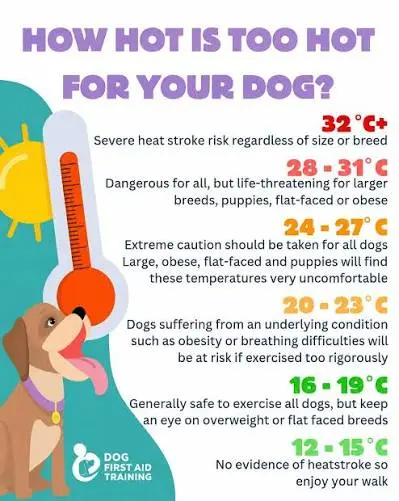
Hot weather can make daily activities more challenging for dogs. Dogs do not cool themselves in exactly the same way humans do, and excessive heat can become dangerous, especially when temperatures and humidity are high.
During warm weather, consider moving walks and outdoor activities to the early morning or evening when temperatures are lower.
Adjust Exercise Times
Avoid intense exercise during the hottest part of the day. A short morning walk may be more comfortable than a long afternoon walk on a hot day.
Watch your dog during exercise and give them opportunities to rest. If your dog is panting heavily, slowing down, seeking shade, or appearing uncomfortable, end the activity and move them to a cooler area.
Provide Plenty of Fresh Water
Dogs generally need consistent access to clean drinking water, and warm weather can increase their need for fluids.
Keep fresh water available throughout the day, particularly after walks and outdoor play. If your dog spends time outside, place the water bowl somewhere shaded and check it regularly.
Create a Cool Resting Area
A cool indoor space can become an important part of your dog’s summer routine. Good ventilation, shade, fans, or air conditioning can help keep your dog comfortable when temperatures rise.
Dogs with thick or double coats may need especially careful heat management in warm climates.
How Cold Weather Changes a Dog’s Routine
Cold weather can also affect your dog’s daily habits. Some dogs enjoy cooler temperatures, while others may become uncomfortable when conditions become too cold.
Breed and coat type are important factors. Dogs with thick coats may naturally tolerate cold weather better, while smaller or short-coated dogs may need additional protection.
Shorten Walks When Necessary
If the weather is particularly cold, windy, or wet, consider shorter walks combined with indoor activities.
Your dog still needs physical and mental stimulation, so indoor play, training exercises, puzzle toys, and supervised activities can help maintain their routine when outdoor conditions are unpleasant.
Provide a Warm Sleeping Area
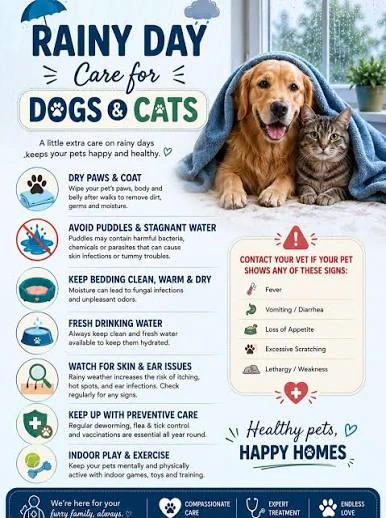
Make sure your dog has a comfortable, dry place to rest. Dogs that spend time outdoors should have appropriate shelter from cold temperatures, rain, and wind.
For many companion dogs, staying indoors during extreme weather is the safest option.
Humidity Can Be Just as Important as Temperature
Temperature is not the only climate factor that affects dogs. Humidity can also influence comfort and exercise tolerance.
High humidity can make it harder for dogs to cool themselves efficiently. This is particularly important in tropical and subtropical parts of Asia, where hot weather may be accompanied by high humidity.
On humid days, keep outdoor exercise moderate and provide plenty of water and opportunities to rest.
Climate and Your Dog’s Exercise Routine
A dog’s exercise needs do not disappear because the weather changes, but the way you provide exercise may need to change.
Instead of focusing only on the length of a walk, consider your dog’s overall activity throughout the day.
For example, during hot weather you could:
- Walk early in the morning
- Take a shorter evening walk
- Play indoors
- Use training games for mental stimulation
- Provide interactive toys
- Allow supervised play in a shaded area
During colder weather, you may be able to maintain longer outdoor activities if your dog is comfortable, but you should still monitor their behavior and physical condition.
Climate and Grooming Needs
Weather can also influence how frequently your dog needs grooming.
Dogs with thick or double coats may shed more heavily during seasonal changes. Regular brushing helps remove loose hair and keeps the coat clean and manageable.
However, shaving a double-coated dog simply because the weather is hot is generally not the best solution. The coat provides protection from the environment, and improper shaving can affect the coat’s natural function.
Instead, focus on:
- Regular brushing
- Removing mats and tangles
- Keeping the coat clean
- Checking the skin regularly
- Maintaining clean ears
- Trimming nails when necessary
- Keeping paws clean after outdoor walks
A professional groomer can help if your dog’s coat becomes difficult to manage.
Climate and Paw Care
Different weather conditions can affect your dog’s paws.
Hot pavement can become uncomfortable or even burn paw pads, while extremely cold surfaces may irritate. Wet environments can also leave paws damp and dirty.
Before and after walks, check your dog’s paws for:
- Redness
- Cracks
- Cuts
- Irritation
- Dirt or debris
- Excessive licking
If the ground is too hot or otherwise unsafe for your dog, choose another walking surface or change the time of the walk.
How Seasonal Changes Affect Your Dog
Dogs may respond differently as the seasons change. Spring and autumn can bring changes in temperature, humidity, daylight, and shedding patterns.
During seasonal transitions, gradually adjust your dog’s routine rather than making sudden changes.
For example, if summer temperatures begin rising, move walks to cooler times of day before extreme heat arrives. Similarly, as colder weather approaches, make sure your dog has a warm and comfortable resting area.
Climate Considerations for Dogs in Asia
Asia contains an enormous range of climates. Dogs may live in tropical coastal areas, humid cities, dry regions, temperate environments, or cold mountainous locations.
This means there is no single daily routine that works for every dog across Asia.
A dog living in a hot, humid city may need:
- Early morning exercise
- Evening walks
- Frequent access to water
- Indoor cooling
- Regular coat care
A dog living in a colder mountain region may instead need:
- Protection from extreme cold
- A warm sleeping area
- Appropriate outdoor exercise
- Paw checks
- Protection from rain, snow, or strong winds
Understanding the local climate is therefore an important part of responsible dog care.
Choosing a dog that suits your local climate can make daily care more manageable. If you live in Pakistan, explore our guide to the best dog breeds for Pakistan’s climate to learn about breeds that may adapt more comfortably to local weather conditions.
Signs Your Dog Is Struggling With the Weather
Your dog’s behavior can provide important clues about whether the weather is affecting them.
During hot weather, watch for signs such as:
- Excessive or unusual panting
- Weakness or unusual tiredness
- Heavy drooling
- Confusion or unsteady movement
- Reluctance to continue exercising
- Seeking shade or cool surfaces
During cold weather, watch for:
- Shivering
- Reluctance to walk
- Lifting paws repeatedly
- Seeking warmth
- Unusual tiredness
- Discomfort outdoors
If your dog shows severe or worsening symptoms, move them to a safer environment and contact a veterinarian promptly.
Choosing a dog that suits your local climate can make daily care more manageable. If you live in Pakistan, explore our guide to the best dog breeds for Pakistan’s climate to learn about breeds that may adapt more comfortably to local weather conditions.
Adjust Your Dog’s Feeding Routine
Climate can sometimes influence appetite and activity levels.
Some dogs may eat less during very hot weather, while their activity may naturally decrease. However, significant or persistent changes in appetite should not simply be blamed on the weather.
Keep meals consistent and provide fresh water. If your dog refuses food for an extended period, loses weight, or shows other concerning symptoms, speak with a veterinarian.
Create a Flexible Daily Routine
The best dog routine is consistent but flexible.
A simple daily schedule might include:
Morning:
Take your dog for a walk when temperatures are comfortable, provide fresh water, and serve breakfast.
Midday:
During hot weather, keep outdoor activity limited and allow your dog to rest in a cool area. During colder weather, provide a warm and comfortable resting space.
Evening:
Provide another walk or play session when conditions are suitable.
Night:
Check that your dog has clean water and a comfortable place to sleep.
The exact schedule should be adjusted according to your dog’s breed, age, health, energy level, and local climate.
Climate-Smart Dog Care Tips
You can make your dog’s daily routine safer by following a few simple habits:
- Check the weather before planning long outdoor activities.
- Avoid strenuous exercise during extreme heat.
- Provide fresh drinking water throughout the day.
- Give your dog access to shade or a cool indoor area.
- Protect your dog from extreme cold, rain, and wind.
- Check paws after walks in extreme weather.
- Brush thick coats regularly.
- Never leave your dog alone in a parked vehicle.
- Watch your dog’s behavior for signs of discomfort.
- Adjust the routine as seasons change.
Final Thoughts
Climate can influence almost every part of your dog’s daily routine, from exercise and grooming to sleep, hydration, and outdoor activities. Dogs can live comfortably in many different environments, but their needs may change as temperatures, humidity, and seasons change.
The key is to observe your dog and adapt their routine accordingly. A walk in the early morning instead of the afternoon, a cool resting space during summer, or a warm shelter during winter can make everyday life more comfortable and safer. By understanding your local climate and your dog’s individual needs, you can create a routine that supports their health, comfort, and happiness throughout the year.
Frequently Asked Questions
Does hot weather change a dog’s exercise routine?
Yes. During hot weather, it is usually safer to exercise dogs during cooler parts of the day and reduce strenuous activity when temperatures are high.
Do dogs need more water in hot weather?
Dogs should always have access to fresh water, and warm conditions can increase their need for fluids. Monitor your dog’s water supply throughout the day.
Can cold weather affect dogs?
Yes. Cold temperatures can be uncomfortable or dangerous for some dogs, particularly small, short-coated, very young, older, or otherwise vulnerable dogs.
Are thick-coated dogs better suited to cold climates?
Many thick-coated breeds are naturally better adapted to cold conditions, but individual tolerance varies. Thick coats do not mean a dog is completely protected from extreme temperatures.
Should I shave my thick-coated dog during summer?
Generally, shaving a double-coated dog solely to keep it cool is not recommended. Regular brushing and appropriate heat management are usually better approaches. Ask a professional groomer or veterinarian about your dog’s specific coat.
How can I protect my dog during very hot weather?
Provide fresh water, shade, a cool indoor environment, and exercise during cooler hours. Avoid hot pavement and watch closely for signs of overheating.
This paragraph dives deeper into the topic introduced earlier, expanding on the main idea with examples, analysis, or additional context. Use this section to elaborate on specific points, ensuring that each sentence builds on the last to maintain a cohesive flow. You can include data, anecdotes, or expert opinions to reinforce your claims. Keep your language concise but descriptive enough to keep readers engaged. This is where the substance of your article begins to take shape.
As you move toward the midpoint of the article, this paragraph provides an opportunity to connect earlier ideas with new insights. Use this space to present alternative perspectives or address potential questions readers might have. Strike a balance between depth and readability, ensuring the information remains digestible. This section can also serve as a transition to the closing points, maintaining momentum as you steer the discussion to its final stages.
Wrapping Up with Key Insights
In this concluding paragraph, summarize the key takeaways from your article, reinforcing the most important ideas discussed. Encourage readers to reflect on the insights shared, or offer actionable advice they can apply in their own lives. This is your chance to leave a lasting impression, so make sure your closing thoughts are impactful and memorable. A strong conclusion not only ties the article together but also inspires readers to engage further.