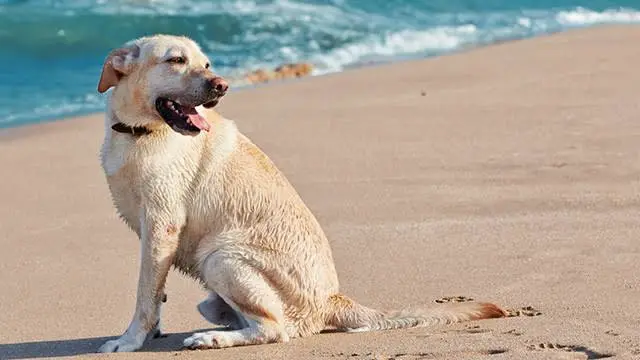
Dog Heatstroke Symptoms: Signs, Prevention & What to Do?
Dog heatstroke symptoms can develop quickly when a dog becomes dangerously overheated. Hot weather, high humidity, direct sunlight, strenuous exercise, and poor ventilation can all increase the risk. In severe cases, heatstroke can become a life-threatening emergency.
For more practical information about Asian dog breeds, climate, and care, explore Dogs Live Asia for additional guides and resources.
Knowing the signs of heatstroke in dogs can help owners recognize a problem early and take appropriate action. This guide explains how dogs overheat, common symptoms, ways to prevent heatstroke, and what to do if you think your dog is suffering from heat-related illness.
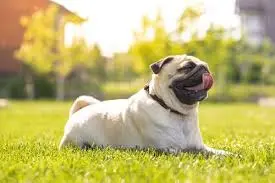
What Is Heatstroke in Dogs?
Heatstroke occurs when a dog’s body temperature rises beyond its ability to regulate and cool itself. Dogs mainly cool themselves through panting, so they can become overheated more easily than people in certain conditions.
Unlike simple discomfort from warm weather, heatstroke in dogs is a medical emergency. Prolonged overheating can affect multiple organs and may cause serious complications.
Dogs can develop heatstroke even when the weather does not seem extremely hot, particularly when humidity is high, ventilation is poor, or the dog is exercising.
Common Dog Heatstroke Symptoms
Recognizing dog overheating symptoms early is important. The signs can range from heavy panting to weakness, confusion, collapse, or other serious changes.
Common symptoms include:
- Heavy or rapid panting
- Excessive drooling
- Thick or sticky saliva
- Restlessness or discomfort
- Weakness or unusual tiredness
- Bright red or unusually dark gums
- Increased heart rate
- Difficulty walking or poor coordination
- Vomiting or diarrhea
- Confusion or disorientation
- Tremors or seizures
- Collapse or loss of consciousness
A dog does not need to show every symptom before heatstroke becomes a concern. A sudden change in behavior combined with excessive panting or weakness should be taken seriously, particularly during hot or humid weather.
Early Signs of Heatstroke in Dogs
The early signs of heatstroke in dogs may initially look like normal responses to exercise or warm weather.
Your dog may:
- Pant much more heavily than usual
- Look uncomfortable or unable to settle
- Seek shade or cooler surfaces
- Drool more than normal
- Become unusually tired
- Walk more slowly
- Have very red gums
- Stop responding normally to familiar commands
If these signs appear after exercise or exposure to heat, move your dog to a cooler environment and stop physical activity.
Do not wait for your dog to collapse before taking overheating seriously.
Severe Heatstroke Symptoms in Dogs
More serious dog heatstroke symptoms can include:
- Staggering or difficulty standing
- Severe weakness
- Vomiting or diarrhea
- Confusion
- Tremors
- Seizures
- Collapse
- Loss of consciousness
These signs require urgent veterinary attention. Heatstroke can cause internal complications even if a dog appears better after being moved to a cooler area.
Heat Exhaustion vs. Heatstroke in Dogs
Heat exhaustion and heatstroke are related but should not be treated as the same condition.
Heat exhaustion can occur when a dog becomes excessively warm and begins showing signs such as heavy panting, tiredness, and weakness.
Heatstroke is more severe and occurs when the dog’s ability to regulate body temperature is overwhelmed. Neurological changes, collapse, seizures, and other serious symptoms can occur.
If you are unsure whether your dog has heat exhaustion or heatstroke, it is safer to treat significant overheating as an emergency and contact a veterinarian.
What Causes Heatstroke in Dogs?
Some dogs are more vulnerable to overheating because of their coat, body structure, age, weight, or other individual factors. If you are interested in Asian dog breeds for hot and humid climates, understanding their individual heat tolerance and care requirements is important.
Several conditions can contribute to overheating.
Hot and Humid Weather
High temperatures combined with humidity can make it harder for dogs to release body heat through panting.
Exercise During Hot Weather
Running, playing, or taking long walks during the hottest part of the day can rapidly increase a dog’s body temperature.
Direct Sunlight
Dogs without access to shade can become dangerously hot, especially when temperatures are high.
Poor Ventilation
Warm, enclosed spaces can become dangerous quickly. A dog should never be left unattended in a parked vehicle.
Lack of Water
Fresh drinking water is an important part of keeping dogs hydrated during warm weather.
Thick Coats and Certain Body Types
Some dogs are more vulnerable to overheating because of their coat, body structure, age, weight, or other individual factors.
Flat-faced breeds can also have greater difficulty cooling themselves through normal breathing.
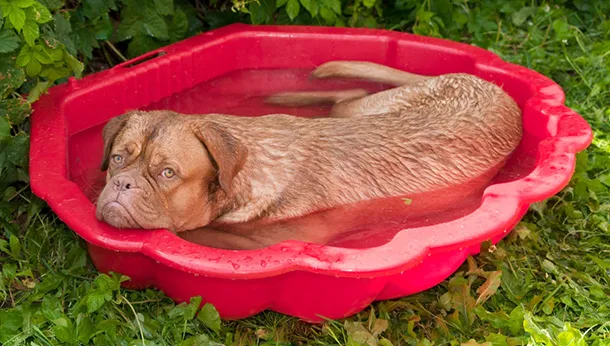
How to Prevent Heatstroke in Dogs
The best approach to preventing heatstroke in dogs is to reduce unnecessary heat exposure and provide access to water, shade, and a cool environment.
Provide Fresh Drinking Water
Make sure your dog has regular access to clean, fresh water. Outdoor dogs may need water placed in a shaded location where it is less likely to become excessively warm.
Avoid Exercise During Peak Heat
Schedule walks and exercise during cooler parts of the day. Early morning and evening can be more comfortable than midday in hot climates.
Provide Shade and Ventilation
Outdoor dogs should have a shaded, well-ventilated area where they can move away from direct sunlight.
Never Leave a Dog in a Parked Car
A parked vehicle can become dangerously hot very quickly, even when the outside temperature does not seem extreme.
Never rely on partially open windows as adequate protection.
Check the Ground Before Walking
Hot pavement and roads can become uncomfortable or harmful to a dog’s paws. Test the walking surface before taking your dog outside during very hot weather.
Allow Breaks During Outdoor Activities
Dogs may continue playing even when they are becoming overheated. Give them regular opportunities to rest, drink water, and cool down.
For more information about choosing dogs suited to warm environments, see our guide to best dog breeds for hot and humid climates.
How to Keep a Dog Cool in Hot Weather
Simple hot weather dog care can reduce the risk of overheating.
Consider:
- Keeping your dog in a cool, well-ventilated room
- Providing fresh water throughout the day
- Using shade when spending time outdoors
- Taking walks during cooler hours
- Reducing strenuous exercise
- Providing a cool resting surface
- Watching for changes in panting or behavior
- Paying extra attention during humid weather
Fans or air conditioning can also help maintain a comfortable indoor environment when temperatures are high.
Grooming can also be important for dogs with dense coats, so see our guide to grooming tips for thick-coated Asian dog breeds for additional care considerations.
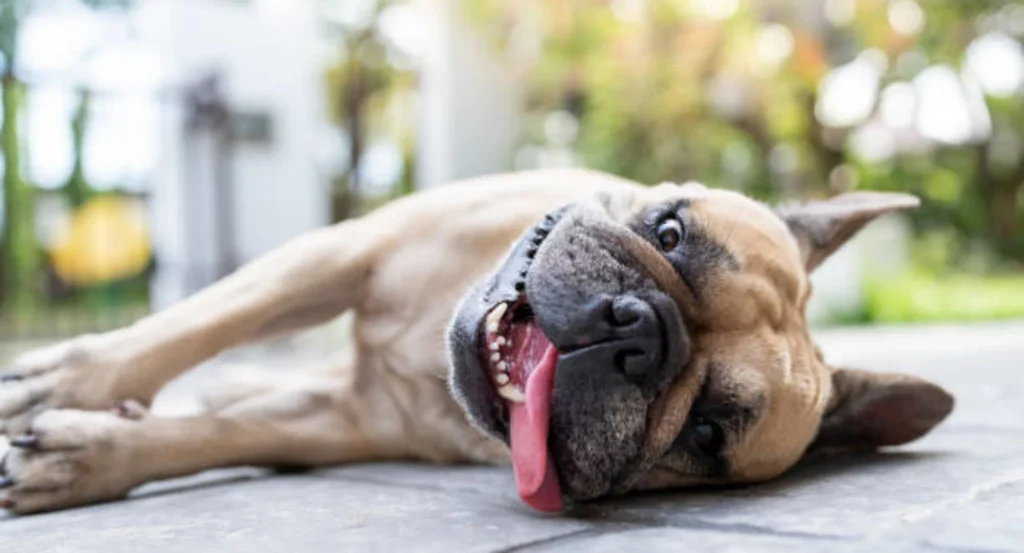
What to Do If Your Dog Is Overheating
If your dog shows significant overheating symptoms, stop exercise immediately and move the dog to a cooler, shaded, or air-conditioned area.
Offer access to water if the dog is alert and able to drink normally. Cooling should be gradual and controlled rather than relying on extreme measures.
If your dog has severe symptoms, is becoming weak or confused, cannot stand normally, collapses, has seizures, or does not improve quickly, contact a veterinarian or emergency veterinary service immediately.
When heatstroke is suspected, veterinary assessment is important because serious internal complications may not be obvious from the outside.
Can Dogs Get Heatstroke Indoors?
Yes. Dogs can become overheated indoors when temperatures are high and there is inadequate ventilation or cooling.
This can be particularly important during summer heatwaves or in regions with hot, humid weather.
Make sure your dog has access to a cooler area, drinking water, and good airflow. Check on dogs regularly rather than assuming they are comfortable because they are inside.
Which Dogs Are More Vulnerable to Heat?
Any dog can develop heatstroke, but some dogs may be at greater risk.
Extra care may be needed for:
- Flat-faced or short-nosed breeds
- Dogs with thick or heavy coats
- Puppies
- Older dogs
- Overweight dogs
- Dogs that exercise heavily
- Dogs with certain medical conditions
- Dogs that are not accustomed to hot weather
Breed alone does not determine how well a dog handles heat. Individual health, age, activity level, coat, humidity, and environmental conditions also matter.
Heatstroke Prevention for Dogs in Pakistan and Asia
Hot weather can create additional challenges for dogs living in parts of Asia. Cities and regions with high temperatures and humidity require careful planning for outdoor activities. If you’re choosing a dog for a warm climate, see our guide to the best dog breeds for Pakistan.
During particularly hot periods:
- Walk dogs during cooler hours.
- Keep fresh water available.
- Provide shade outdoors.
- Avoid strenuous exercise in midday heat.
- Keep dogs in a cool, ventilated environment.
- Monitor puppies, senior dogs, and vulnerable breeds more closely.
- Watch for unusual panting, weakness, or behavioral changes.
These precautions are especially useful during summer heat and periods of high humidity.
Frequently Asked Questions
What are the first signs of heatstroke in dogs?
Heavy panting, excessive drooling, restlessness, weakness, unusual tiredness, and very red gums can be early warning signs. More serious symptoms can include confusion, difficulty walking, collapse, or seizures.
How can I tell if my dog is overheating?
Look for unusually heavy panting, excessive drooling, weakness, restlessness, changes in behavior, or difficulty walking. If your dog appears seriously unwell after heat exposure, seek veterinary advice promptly.
Can dogs get heatstroke from walking?
Yes. Exercise in hot or humid conditions can cause a dog’s body temperature to rise quickly. Long walks, running, and strenuous play should be limited during periods of extreme heat.
How do I prevent heatstroke in my dog?
Provide fresh water, shade, ventilation, and a cool resting area. Avoid strenuous exercise during the hottest part of the day and never leave your dog in a parked vehicle.
Can a dog get heatstroke indoors?
Yes. A poorly ventilated or excessively hot indoor environment can cause overheating. Dogs should have access to a cooler area and fresh water.
Are some dog breeds more sensitive to heat?
Some breeds and individual dogs can be more vulnerable to heat because of their body structure, coat, age, weight, or health. Short-nosed breeds and dogs with heavy coats may require additional precautions.
Final Thoughts
Understanding dog heatstroke symptoms is an important part of responsible dog care, particularly in hot and humid climates. Heavy panting, excessive drooling, weakness, confusion, vomiting, difficulty walking, and collapse should never be ignored after heat exposure.
Preventive measures such as providing fresh water, limiting exercise during peak heat, offering shade and ventilation, and keeping dogs out of parked vehicles can help reduce the risk.
If a dog shows serious signs of overheating or suspected heatstroke, contact a veterinarian or emergency veterinary service promptly. Early action can be important when dealing with a heat-related emergency.
For more information about caring for dogs in Asian climates, visit Dogs Live Asia for breed, climate, grooming, and everyday dog-care guides.