Asian Dog Breeds for Families: Temperament, Size and Care
Asian dog breeds come in many shapes and sizes, from small companion dogs to large, independent guardian breeds. Some are affectionate and playful, while others are more reserved, protective, or strong-willed. Choosing the right breed for your household requires more than looking at appearance. Temperament, exercise needs, grooming, training, living space, and climate all matter.
If you are exploring the best Asian dog breeds for families, this guide compares several well-known breeds and explains what families should consider before bringing a dog home.
What Makes an Asian Dog Breed Suitable for Families?
A suitable family dog should fit your household’s daily routine, experience level, and living environment. A breed’s reputation can offer useful guidance, but individual dogs also differ in personality, socialization, and behavior.
Before choosing a dog, consider these factors:
- Temperament: Look for a dog whose energy level and social behavior fit your household.
- Size and strength: Larger dogs may need more room, stronger handling, and additional training.
- Exercise requirements: Puppies and active breeds need regular opportunities for physical activity and mental stimulation.
- Grooming: Long or thick coats may require frequent brushing, especially during shedding seasons.
- Training: Early socialization, reward-based training, and consistent household rules help dogs develop good manners.
- Climate: Heat, humidity, shade, ventilation, and access to fresh water are important when choosing and caring for a dog.
Parents should also remember that no breed is automatically safe with every child. Young children need supervision around dogs, and dogs need a quiet place where they can rest without being disturbed.
7 Asian Dog Breeds to Consider for Families
1. Japanese Spitz
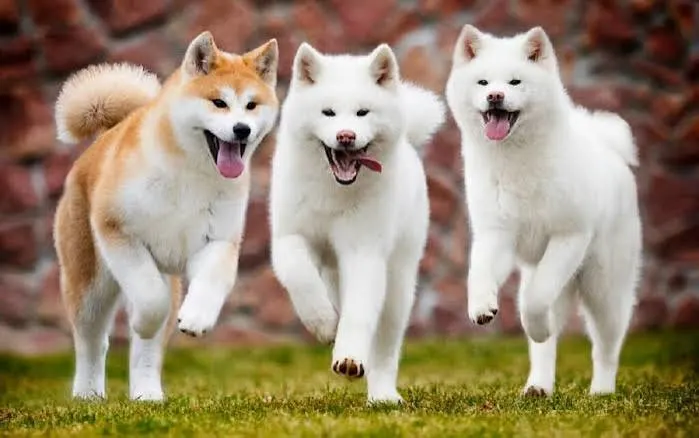
The Japanese Spitz is a small-to-medium companion dog known for its white coat, alert expression, and lively personality. It is often a good option for families looking for an affectionate dog that enjoys participating in everyday activities.
Temperament: Japanese Spitz dogs are generally alert, intelligent, playful, and people-oriented. They may bark to alert their owners, so early training can help manage excessive barking.
Size: Small to medium, depending on the breed standard and individual dog.
Care needs: Their thick white coat requires regular brushing to prevent tangles and manage shedding. They also benefit from daily walks, playtime, and basic obedience training.
Family suitability: A Japanese Spitz may suit a family that wants an active companion and can provide regular attention. Children should learn to handle the dog gently, particularly because smaller dogs can be injured by rough play.
Learn more about the breed’s background in our guide to the fascinating history of the Japanese Spitz.
2. Shiba Inu
The Shiba Inu is a small Japanese breed recognized for its fox-like appearance, upright ears, and confident personality. It is intelligent and often independent, which can make training challenging for inexperienced owners.
Temperament: Shiba Inus are typically alert, confident, and self-directed. Some form strong bonds with their families but may be reserved around unfamiliar people or animals.
Size: Small, compact, and athletic.
Care needs: A Shiba Inu needs regular exercise, mental stimulation, coat brushing, and consistent reward-based training. Its strong curiosity means secure outdoor spaces and reliable leash management are important.
Family suitability: This breed can suit experienced families who respect canine boundaries and are willing to invest in training. It may be less suitable for households expecting an immediately obedient dog or a pet that enjoys constant handling.
3. Chow Chow
The Chow Chow is an ancient Chinese breed known for its dense coat, sturdy build, and distinctive appearance. It can be loyal to its household but is often more independent and reserved than highly sociable companion breeds.
Temperament: Chow Chows are commonly described as independent, dignified, and watchful. Their behavior around visitors and other animals depends on genetics, early socialization, training, and individual personality.
Size: Medium-sized and powerfully built.
Care needs: Their dense double coat requires regular grooming. Owners should pay particular attention to coat condition, skin health, and signs of overheating in warm weather. Calm handling and early, ongoing socialization are also important.
Family suitability: A Chow Chow may work for a calm, experienced household that understands its need for space and consistent management. It is not usually the easiest choice for a first-time owner with very young children.
For more information, read our guide to raising healthy Chow Chows in warm climates.
4. Pekingese
The Pekingese is a small Chinese companion breed with a long coat, short muzzle, and distinctive rolling gait. It was developed as a companion dog and often prefers a comfortable indoor environment.
Temperament: Pekingese dogs are frequently confident, affectionate with familiar people, and independent. They may not enjoy rough handling or overly energetic play.
Size: Small and relatively low to the ground.
Care needs: Their long coat needs frequent brushing, and facial folds should be kept clean as appropriate. Because of their short muzzle, Pekingese dogs can be vulnerable to breathing difficulties and overheating. Exercise should be gentle and adjusted to the weather and the individual dog’s health.
Family suitability: A Pekingese may suit a quieter household with older, gentle children who understand how to handle small dogs respectfully. Veterinary guidance is especially important if the dog shows noisy breathing, exercise intolerance, or heat-related distress.
5. Lhasa Apso
The Lhasa Apso originated in Tibet, where it was historically kept as a watchdog and companion. Despite its small size, it can be confident and alert.
Temperament: Lhasa Apsos are often independent, observant, and devoted to familiar people. Some are reserved with strangers and may bark when someone approaches the home.
Size: Small, sturdy, and suitable for many indoor living arrangements.
Care needs: A long coat needs regular brushing and maintenance, although some owners choose a shorter practical trim. Daily walks, mental enrichment, and early socialization help support good behavior.
Family suitability: This breed can be a reasonable choice for families with respectful children and realistic expectations about grooming and training. Introductions to visitors should be calm and controlled.
6. Tibetan Mastiff
The Tibetan Mastiff is a large guardian breed traditionally associated with protecting livestock and property in the Himalayan region. Its impressive size and protective instincts make it very different from a small companion dog.
Temperament: Tibetan Mastiffs are often independent, watchful, and protective. They may be cautious around unfamiliar people and can be difficult to manage without suitable experience.
Size: Very large, heavy-boned, and powerful.
Care needs: They require substantial space, secure fencing, early socialization, consistent training, and an owner who understands guardian-breed behavior. Their thick coat needs regular maintenance, and hot weather requires particular care.
Family suitability: A Tibetan Mastiff is generally better suited to experienced owners who can responsibly manage a powerful guardian breed. It is not an easy default choice for families with small children, frequent visitors, or limited outdoor space.
Before considering this breed, read our detailed guide to understanding the temperament of Tibetan Mastiffs.
7. Akita Inu
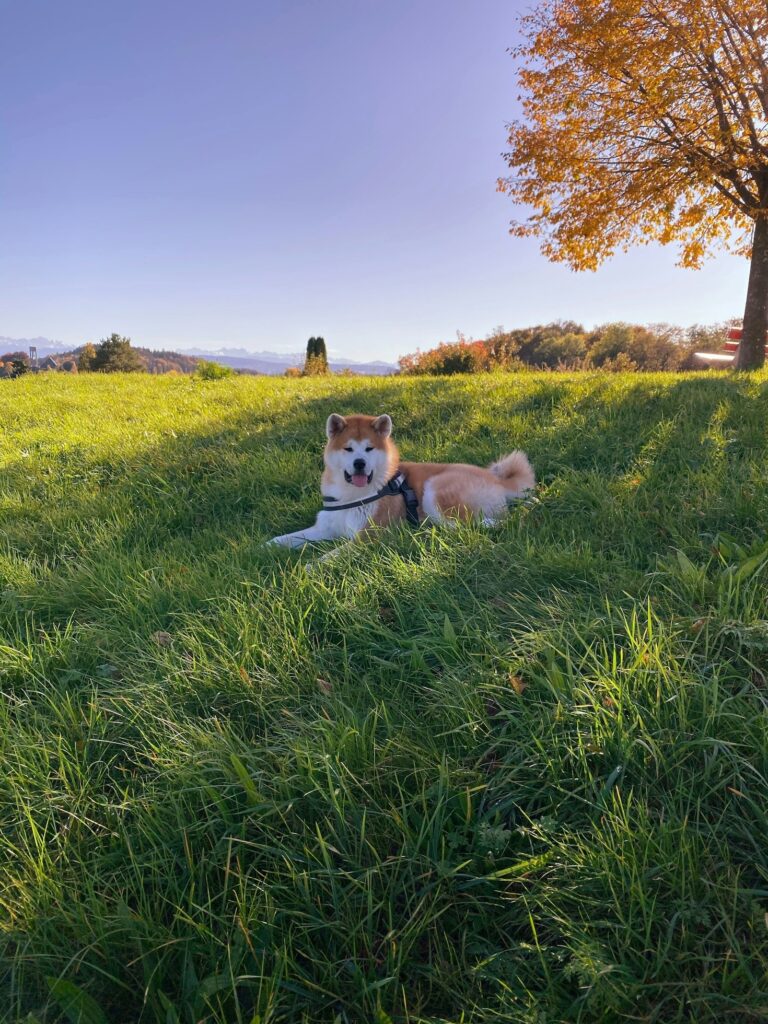
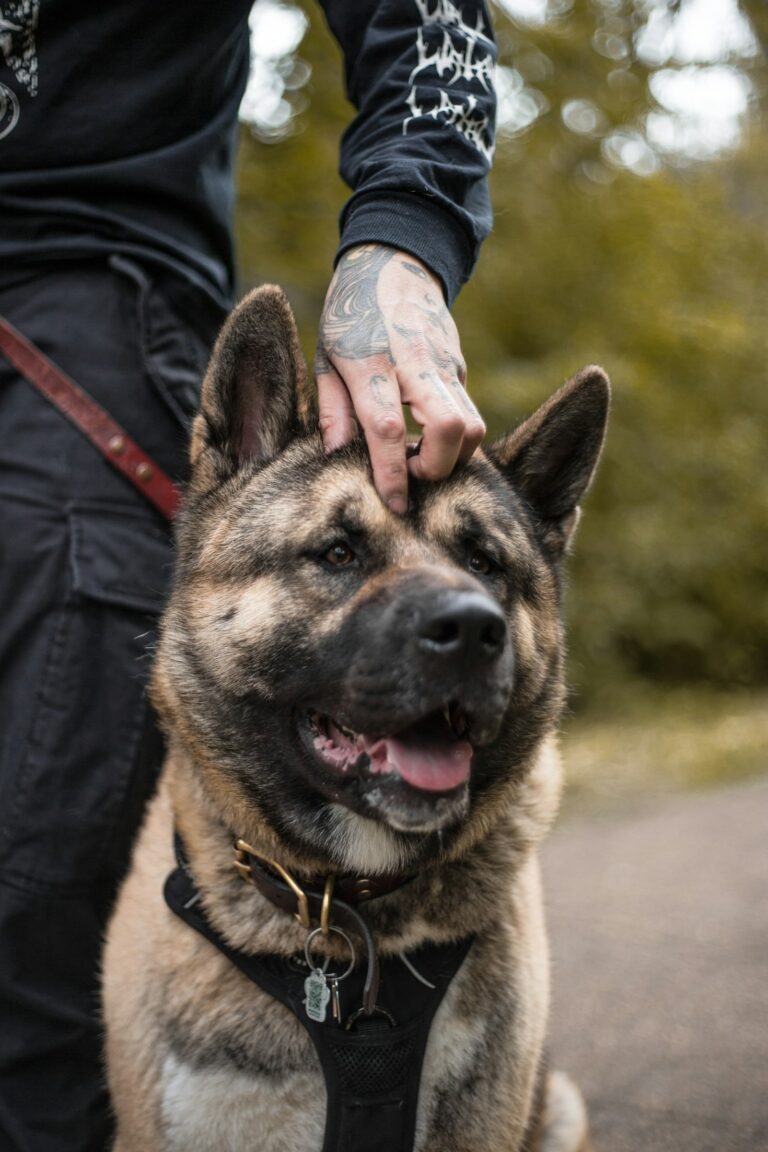
The Akita Inu is a large Japanese breed known for its strength, dignity, and loyalty to its family. It is a striking dog, but its independence and strength mean that responsible ownership is essential.
Temperament: Akitas are often loyal and reserved. Some can show intolerance toward unfamiliar dogs, so early socialization and careful management are important.
Size: Large and muscular.
Care needs: Akitas need regular exercise, mental engagement, coat brushing, and consistent training. Secure handling and appropriate introductions to unfamiliar dogs are essential.
Family suitability: An Akita may suit an experienced household that can provide structure, training, and supervision. Families should assess the individual dog’s behavior and their ability to manage a strong breed before making a decision.
Our article on the origins of the Akita Inu provides more background on this Japanese breed.
Comparing Asian Dog Breeds for Families
The following table offers a starting point for comparing these breeds. Actual behavior, grooming requirements, and exercise needs vary among individual dogs.
Breed | General size | Coat care | Main consideration |
Japanese Spitz | Small–medium | Regular brushing | Playful energy and barking |
Shiba Inu | Small | Regular brushing | Independence and training |
Chow Chow | Medium | Frequent grooming | Reserved temperament and heat |
Pekingese | Small | Frequent grooming | Breathing and heat sensitivity |
Lhasa Apso | Small | Regular to frequent grooming | Alertness and coat maintenance |
Tibetan Mastiff | Very large | Regular grooming | Strength and guardian instincts |
Akita Inu | Large | Regular brushing | Training and dog-to-dog management |
There is no single best Asian dog breed for every family. A Japanese Spitz may appeal to a household looking for a lively companion, while a Pekingese may better match a quieter home. Large guardian breeds such as the Tibetan Mastiff and Akita Inu require a different level of experience and management.
How to Choose the Right Asian Dog Breed for Your Family
Consider your living space
A small dog may adapt well to an apartment when its exercise, enrichment, and toilet needs are met. However, small size does not automatically mean low maintenance or low energy. Larger breeds need sufficient room to move comfortably, and guardian breeds require secure environments.
Think about your children’s ages
Teach children not to pull a dog’s ears or tail, climb on it, disturb it while eating, or approach it when it is sleeping. Always supervise interactions between dogs and young children. A dog should never be expected to tolerate rough or unwanted handling.
Match exercise needs to your routine
Some dogs are content with moderate daily walks and indoor play, while others need more physical activity and mental challenges. Consider your available time before choosing a breed.
Understand grooming commitments
Long-haired and double-coated breeds can require considerable brushing and seasonal coat care. Budget for grooming tools, professional services when needed, and routine veterinary care.
Choose for your climate
If you live in Pakistan or another hot, humid region, consider how a breed will cope with local temperatures. Thick-coated breeds and short-muzzled dogs need particular attention, but any dog can overheat.
Provide shade, ventilation, cool resting areas, and fresh drinking water. Exercise during cooler parts of the day, avoid strenuous activity in hot weather, and never leave a dog in a parked vehicle. If you are unsure which breeds suit your environment, read our guide to the best dog breeds for Pakistan’s hot weather and climate.
Caring for an Asian Dog Breed After Adoption
Regardless of breed, responsible care involves more than food and shelter.
- Veterinary care: Arrange routine checkups, vaccinations, parasite prevention, dental care, and breed-appropriate health screening.
- Balanced nutrition: Choose a complete diet suitable for the dog’s age, size, activity level, and health.
- Positive training: Reward desirable behavior and establish consistent household rules.
- Mental enrichment: Use suitable toys, sniffing activities, play, and short training sessions.
- Safe socialization: Introduce the dog gradually to different people, environments, and animals while respecting its comfort.
- Responsible adoption: Ask about the dog’s health, behavior, background, and needs. Consider adopting from a reputable rescue or choosing a responsible breeder who prioritizes health and temperament.
For a practical introduction to preparing your household, see our new puppy checklist.
Frequently Asked Questions
Which Asian dog breed is best for families?
There is no universally best breed. Japanese Spitz dogs may suit active families seeking a companion, while Pekingese dogs may suit quieter households with gentle older children. The right choice depends on the dog’s temperament, health, and the family’s lifestyle.
Are Asian dog breeds good with children?
Many individual dogs can live successfully with children, but breed alone cannot guarantee safe behavior. Socialization, training, supervision, appropriate handling, and the dog’s individual temperament all matter.
Which Asian dog breeds are suitable for small homes?
Smaller breeds such as the Japanese Spitz, Shiba Inu, Pekingese, and Lhasa Apso may adapt to smaller homes if their exercise, enrichment, and other care needs are met. Consider barking, grooming, and activity levels rather than size alone.
Are thick-coated Asian dog breeds suitable for hot climates?
Some can live in warm regions with careful management, but thick coats can increase grooming demands and certain breeds are more vulnerable to heat stress. Shade, ventilation, fresh water, suitable exercise times, and veterinary advice are essential.
Are Tibetan Mastiffs suitable for first-time dog owners?
Tibetan Mastiffs are generally not an easy choice for first-time owners because of their size, independence, protective instincts, and training requirements. An experienced owner who can provide appropriate management is usually better prepared for this breed.
Should I choose a puppy or an adult dog?
A puppy allows you to begin training and socialization early but requires substantial time and supervision. An adult dog may have a more established personality, making it easier to assess whether it suits your household. In either case, review health and behavior information before deciding.
Final Thoughts
Asian dog breeds offer a wide range of personalities, sizes, and care requirements. The Japanese Spitz, Shiba Inu, Chow Chow, Pekingese, Lhasa Apso, Tibetan Mastiff, and Akita Inu each have distinct characteristics that may suit some households better than others.
The best choice is not necessarily the smallest, most popular, or most attractive dog. It is the dog whose temperament, exercise needs, grooming requirements, health considerations, and climate tolerance match your family’s circumstances.
Explore Dogsliveasia.com for more information about Asian dog breeds, their origins, temperament, and everyday care before deciding which companion is right for your home.