
Southeast Asian Dog Breeds: Lifestyle, Care & Responsible Ownership
Choosing from the many Southeast Asian Dog Breeds and local village dogs can feel confusing, especially if you are a first-time dog owner. Should you choose a Thai Ridgeback, adopt a Bali dog, or welcome a Philippine Aspin into your family? The right decision depends on your home, budget, daily routine, and ability to provide lifelong care.
Across Thailand, Vietnam, Indonesia, the Philippines, Malaysia, Cambodia, Laos, Myanmar, Singapore, and Brunei, dogs live in different environments and communities. Some are family companions, some have working backgrounds, and others are local dogs with mixed or uncertain ancestry.
This guide helps you compare Southeast Asian Dog Breeds, prepare for tropical weather, understand regional dog culture, and choose practical care routines. You will also find checklists and clear next steps to help you become a more responsible dog owner.



Are You Ready to Own a Dog in Southeast Asia?
Before choosing among Southeast Asian Dog Breeds, think about how a dog will fit into your everyday life. A spacious home is helpful for some dogs, but time, attention, training, and veterinary care are just as important.
Use this checklist before adopting or buying a dog:
- Can I provide daily exercise and companionship?
- Can I afford nutritious food, vaccinations, parasite prevention, and emergency treatment?
- Does my home have safe shelter and enough space for the dog’s needs?
- Can I protect the dog from excessive heat and heavy rain?
- Do I have time for training, grooming, and veterinary visits?
- Can I arrange suitable care when I travel or work long hours?
If you cannot answer yes to most of these questions, prepare your home and budget before committing.
My suggestion: Write down your available time and monthly pet budget first. Then look for a dog whose needs match your circumstances rather than choosing one based only on appearance.
Which Southeast Asian Dog Breeds Should You Consider?
Not every dog native to Southeast Asia belongs to a standardized pedigree breed. Some have documented breed histories, while many local dogs have varied ancestry and individual characteristics.
Here are four examples to research before making your decision.
1. Thai Ridgeback: Best Considered by Active Owners
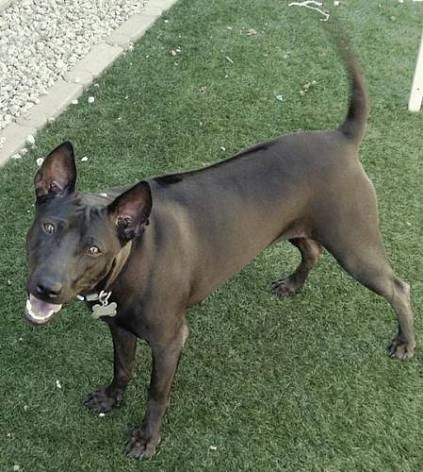
The Thai Ridgeback is a native Thai breed known for its athletic body, short coat, upright ears, and distinctive ridge of hair along its back.
These dogs can be independent and alert. Their exercise, training, and socialization needs make them an important consideration when comparing Southeast Asian Dog Breeds.
Consider a Thai Ridgeback if you:
- Enjoy regular outdoor activities.
- Can provide consistent, reward-based training.
- Have secure fencing and can prevent unsupervised roaming.
- Are prepared to introduce unfamiliar people and animals carefully.
Think twice if: You want a dog that will automatically get along with every visitor or pet without training.
Your next step: Research the breed’s temperament and health considerations, meet the individual dog, and ask a knowledgeable breeder or veterinarian whether it suits your household.
2. Phu Quoc Ridgeback: Check Its Background Carefully

The Phu Quoc Ridgeback is associated with Phu Quoc Island in Vietnam. It is recognized for its athletic appearance and ridge of hair along its back.
Before choosing this dog, remember that a seller’s breed claim does not automatically prove pedigree, health, or temperament.
Your next step: Ask for credible information about the dog’s origin, veterinary records, parents where known, and behaviour around people. Avoid paying a premium based solely on an unverified breed label.
3. Bali Dogs: Consider Responsible Adoption

Bali dogs are local dogs associated with Indonesia. They vary in size, coat colour, appearance, ancestry, and temperament. They should not all be treated as members of one standardized pedigree breed.
Some are family pets, while others have lived in community settings or experienced inconsistent care.
When considering these dogs among Southeast Asian Dog Breeds, focus on the individual animal rather than assumptions about local dogs.
Before adopting, ask:
- Has the dog received a veterinary examination?
- Are vaccinations and parasite treatments up to date?
- How does it behave around children and other animals?
- Has it lived indoors before?
- What support is available if adjustment problems occur?
Give a newly adopted dog time to settle into your home. Do not expect immediate affection or perfect behaviour.
4. Philippine Aspin: Meet the Individual Dog

The Philippine Aspin, commonly called Asong Pinoy, is a familiar local dog type in the Philippines. The term generally refers to native or mixed-ancestry dogs rather than one uniform pedigree breed.
Aspins can make excellent companions, but their needs and personalities vary.
Your next step: If you are considering adoption, arrange a calm introduction and ask about the dog’s health, activity level, training, and history. If you have children or other pets, plan supervised introductions and provide separate resting areas.
What About Other Local Dogs?
Cambodia, Laos, Myanmar, Malaysia, Singapore, and Brunei also have local dog populations. These dogs may have mixed ancestry, and their backgrounds are not always known.
When researching Southeast Asian Dog Breeds, remember that a local dog is not automatically healthy, easy to train, or suitable for every home.
My recommendation: For a first-time owner, prioritize a dog with a compatible temperament, manageable activity needs, and a health history you can assess.
Explore our guide to Asian Dog Breeds by Country for more regional information.
How to Prepare Your Home for a Dog in a Tropical Climate
The climate and living conditions in Southeast Asia can affect a dog’s comfort. Choosing among Southeast Asian Dog Breeds is only the beginning; you must also prepare a safe environment.
If You Live in a Hot and Humid Area
Even dogs accustomed to warm environments can develop heat stress. Humidity can make cooling more difficult, and a short coat does not guarantee protection.
Follow this practical routine:
- Walk your dog early in the morning or later in the evening.
- Keep fresh drinking water available throughout the day.
- Provide shade and a well-ventilated resting space.
- Avoid strenuous exercise during the hottest hours.
- Check pavement temperature before walking.
- Watch for unusual panting, weakness, vomiting, or confusion.
Heatstroke is an emergency. Move the dog away from the heat, begin cooling with cool water, and seek urgent veterinary care.
Your next step: Review your dog’s walking schedule today and move exercise to cooler periods if necessary.
Read our guide to Best Dog Breeds for Hot and Humid Climates in Asia for more detailed advice.
If You Live in an Apartment
Apartment living does not automatically rule out dog ownership. However, dogs need exercise, toilet breaks, companionship, and mental stimulation regardless of the size of their home.
Before bringing home one of the Southeast Asian Dog Breeds or a local mixed-breed dog, check whether your building allows pets.
Make sure you can provide:
- Regular walks and toilet breaks.
- A comfortable, quiet sleeping area.
- Daily play and training.
- Secure doors, windows, and balconies.
- A plan for long working hours or travel.
Practical suggestion: If you work away from home for much of the day, arrange a reliable caregiver when needed. Do not assume that a small dog will automatically need less attention.
If Your Dog Lives in a Yard
A yard provides useful space, but it cannot replace walks, companionship, and training.
Check the fence for gaps, remove hazardous chemicals, and provide shelter from sun and heavy rain. Make sure the resting area cannot flood and that the dog cannot escape onto a busy road.
Avoid leaving your dog tied up for long periods.
Your action today: Walk around your property at the dog’s level. Look for escape routes, sharp objects, exposed drains, and places where the animal could become trapped.
Daily Care for Southeast Asian Dogs
Good care does not require a complicated routine. It requires consistency, observation, and timely veterinary support.
When planning care for Southeast Asian Dog Breeds, adapt the routine to the dog’s age, health, activity level, and environment.
Time | What you should do |
Morning | Refresh water, check the dog’s condition, and take a suitable walk. |
Mealtime | Offer a balanced diet in appropriate portions. |
During the day | Provide shade, rest, companionship, and safe enrichment. |
Evening | Offer play or exercise when the weather is suitable. |
Before bed | Check water, secure gates, and prepare a clean resting area. |
Weekly | Check the coat, skin, paws, ears, nails, and teeth as appropriate. |
What Should You Feed Your Dog?
Choose complete and balanced dog food suitable for your dog’s age, size, activity level, and health.
Rice, meat, and household leftovers do not automatically provide all the nutrients a dog needs. If you prefer home-prepared meals, ask a veterinarian or qualified veterinary nutrition professional for help developing a balanced diet.
Avoid foods known to be dangerous to dogs, including chocolate, grapes, raisins, onions, garlic, and products containing xylitol.
Your next step: Check your dog’s food label and feeding instructions. If you notice unexplained weight changes or persistent digestive problems, arrange a veterinary assessment.
How Can You Prevent Parasites?
Ticks, fleas, worms, and other parasites can affect dogs in tropical and subtropical environments.
Ask a veterinarian to recommend suitable parasite prevention based on your dog’s age, weight, health, and local risks. Do not use household insecticides, livestock pesticides, or human medication unless a veterinarian has confirmed the product and use are safe.
Your action: If your dog has persistent itching, visible parasites, skin irritation, or unexplained weight loss, book a veterinary appointment rather than relying on home remedies.
For additional practical advice, visit our Dog Care in Asia guide.
Dog Culture in Southeast Asia: How to Help Responsibly
Dog ownership and community attitudes vary throughout Southeast Asia. Many dogs live as family companions, while others may receive care from neighbours or community animal welfare groups.
Understanding this variety is an important part of learning about Southeast Asian Dog Breeds and local dogs.
Should You Feed a Community Dog?
Feeding a dog can be helpful, but do it thoughtfully.
- Check whether the dog has an owner or regular caregiver.
- Offer suitable food and clean water in a safe location when appropriate.
- Keep feeding areas away from traffic and busy entrances.
- Remove leftover food and packaging.
- Contact a local animal welfare organization if the dog appears injured or seriously ill.
Do not approach or attempt to restrain a frightened or aggressive dog. Keep a safe distance and seek appropriate help.
What Should You Do if You Find Puppies?
If you find puppies without an obvious caregiver, observe the situation from a safe distance. Their mother may be nearby, and moving them unnecessarily can create additional risks.
Contact a reputable rescue organization or veterinarian for guidance. If you care for a dog that is not sterilized, discuss appropriate options with a veterinarian.
Your next step: Find a reputable local rescue group before an emergency arises, so you know whom to contact if you encounter an injured dog or an unwanted litter.
How Can You Keep Dogs Safe Around Children?
Teach children not to pull a dog’s ears or tail, disturb it while sleeping, take food away, or approach unfamiliar dogs without permission.
Always supervise interactions. Give the dog a quiet space where it can rest without being disturbed.
If a dog freezes, tries to escape, growls, or repeatedly turns away, create distance and allow it to settle. Do not punish warning signals.
Responsible Ownership: Before You Adopt or Buy
Responsible ownership means planning for the dog’s needs throughout its life. Comparing Southeast Asian Dog Breeds should include the time, costs, and care each individual dog may require.
Before making a commitment, budget for:
- Food and everyday supplies.
- Vaccinations and preventive veterinary care.
- Parasite prevention and grooming.
- Sterilization where appropriate.
- Training and identification.
- Emergency veterinary treatment.
Also consider who will care for your dog when you travel, move home, or experience a change in work or family circumstances.
Is Adoption Right for You?
Adoption can provide a home for a dog that needs one. Reputable shelters and rescue organizations may help you understand the animal’s health, temperament, and background.
If you choose to buy a pedigree dog, research the breeder carefully. Ask about health testing, the parents’ temperament, the puppy’s living conditions, and veterinary records. Avoid sellers who refuse reasonable questions or pressure you to pay immediately.
My suggestion: Meet the dog before deciding whenever possible. Ask questions, observe how it responds to people, and seek professional advice if you are unsure about compatibility.
Responsible Ownership Checklist
Before bringing a dog home, confirm that you can:
- Provide daily care, exercise, and companionship.
- Maintain a secure and comfortable living environment.
- Arrange vaccinations and preventive veterinary care.
- Use humane, reward-based training.
- Provide suitable care during travel or emergencies.
- Follow local animal welfare and public health rules.
If you are not ready, consider volunteering with a reputable animal welfare organization while preparing for future ownership.
Frequently Asked Questions About Southeast Asian Dog Breeds
What are some well-known Southeast Asian Dog Breeds?
Examples include the Thai Ridgeback and Phu Quoc Ridgeback. Bali dogs and Philippine Aspins are also important local dog types, although they are not all standardized pedigree breeds.
Are Southeast Asian Dog Breeds suitable for hot weather?
Some local dogs live successfully in tropical environments, but no dog is completely protected from heat stress. Provide shade, fresh water, ventilation, and suitable exercise times.
Which Southeast Asian Dog Breeds are best for first-time owners?
There is no single best choice for every beginner. Choose an individual dog with a suitable temperament, manageable activity needs, and care requirements that fit your experience and household.
Can I keep a local village dog in an apartment?
Yes, some local dogs can adapt to apartment life if their exercise, toilet breaks, companionship, and training needs are met. A dog accustomed to outdoor living may need a gradual adjustment period.
Do dogs in Southeast Asia need rabies vaccination?
Rabies is a serious public health concern in parts of Southeast Asia. Follow veterinary advice and applicable local vaccination requirements. If a person or animal may have been exposed to rabies, seek prompt guidance from a medical professional, veterinarian, or public health authority. For more details about vaccination, read WHO rabies guidance.
How can I adopt a dog responsibly?
Contact a reputable rescue organization, shelter, or responsible community adoption programme. Ask about health, behaviour, vaccination, and known history. Prepare your home and budget before committing.
Your Next Step: Choose a Dog You Can Care for Well
The best Southeast Asian Dog Breeds choice is not necessarily the rarest or most attractive dog. It is the dog whose needs match your household and whose welfare you can support throughout its life.
Start by assessing your schedule, budget, home, and experience. Research suitable dogs, meet individual animals where possible, and ask questions about health and temperament before adopting or buying.
Once your dog comes home, focus on balanced nutrition, preventive veterinary care, humane training, safe living conditions, and daily companionship. Small, consistent actions can make a meaningful difference to a dog’s well-being.
Continue exploring Dogsliveasia:
- Asian Dog Breeds by Country
- Best Dog Breeds for Hot and Humid Climates in Asia
- Dog Care in Asia
- 10 Popular Asian Dog Breeds
Dogsliveasia provides educational information about dogs and responsible ownership. This content does not replace individualized veterinary advice. Breed characteristics, local laws, and veterinary requirements may vary by location.