
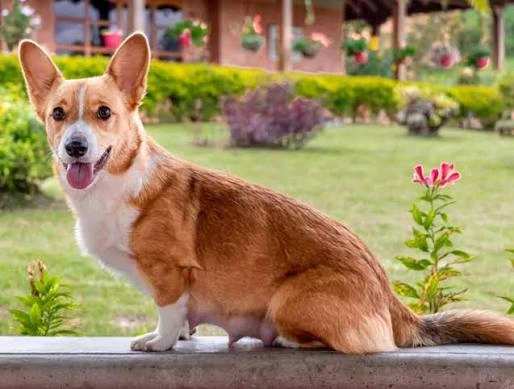
When Is the Best Time to Mate a Female Dog? A Complete Breeding Guide
Knowing when is the best time to mate a female dog is essential for responsible dog breeding. Mating too early or too late in the heat cycle may reduce the chances of pregnancy, even when both dogs are healthy. Understanding the female dog’s reproductive cycle, recognizing the signs of heat, and identifying ovulation can help owners make informed breeding decisions.
Female dogs do not have the same fertile days every time they come into heat. Although many dogs become fertile around the middle of their heat cycle, the timing can vary considerably between individuals and breeds.
At DogsLiveAsia, we aim to help dog owners understand canine health, reproduction, and responsible care. This guide explains the best time to mate a female dog, how to recognize her fertile period, and when to consult a veterinarian.
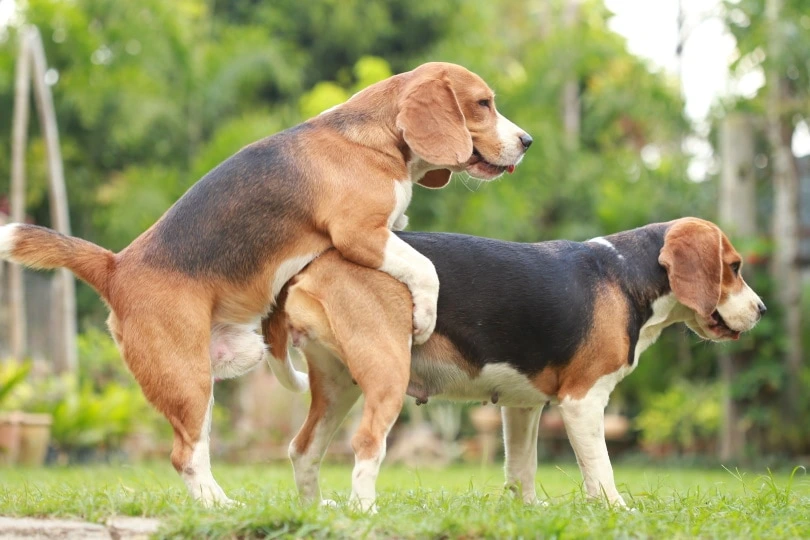
When Is the Best Time to Mate a Female Dog?
The best time to mate a female dog is during her fertile window around ovulation, when mature eggs are available for fertilization.
For many dogs, mating is often successful around days 10–14 after the first noticeable signs of heat. However, this is only a general estimate. Some female dogs ovulate much earlier or later, so counting days alone cannot reliably determine the correct mating date.
Veterinarians can identify the fertile period more accurately through serial blood progesterone tests and, when appropriate, vaginal cytology or other reproductive examinations.
If you want to breed your dog, contact a veterinarian when you first notice signs of heat. Early testing allows enough time to monitor hormone changes and plan mating appropriately.
Understanding the Female Dog’s Heat Cycle
A female dog’s reproductive cycle has four main stages: proestrus, estrus, diestrus, and anestrus. Understanding these stages helps explain when a female dog is likely to accept a male and when pregnancy is possible.
1. Proestrus: The Beginning of Heat
Proestrus is the initial stage of the heat cycle. It often lasts approximately 7–10 days, although the duration varies.
Common signs include:
- Swelling of the vulva.
- Bloody vaginal discharge.
- Increased attention from male dogs.
- Changes in behavior, such as restlessness or increased grooming.
During this stage, a female dog may attract males but refuse mating. The appearance of blood does not mean she is ready to breed.
Keep her securely separated from intact male dogs if pregnancy is not intended.
2. Estrus: The Fertile Stage
Estrus is the stage when a female dog generally becomes receptive to mating. It commonly lasts around 5–9 days but can be shorter or longer.
Possible signs include:
- Discharge becoming lighter, pinkish, or straw-colored.
- A softer, less tense vulva.
- Standing still when approached by a male.
- Moving the tail to one side.
- Increased interest in male dogs.
These signs can help owners recognize estrus, but they do not confirm the exact day of ovulation.
The best time to mate a female dog depends on when ovulation occurs and when the eggs become mature enough for fertilization. Veterinary testing is the most dependable way to establish this timing.
3. Diestrus: The End of Receptive Heat
During diestrus, the female generally stops accepting mating. Hormonal changes occur whether or not she becomes pregnant.
If you are unsure whether mating occurred at the correct time, consult your veterinarian rather than attempting repeated mating without assessment.
4. Anestrus: The Resting Stage
Anestrus is the period between reproductive cycles. The reproductive system rests before the next heat.
This is a suitable time to discuss future breeding plans, arrange health screening, and evaluate whether breeding is appropriate for your dog.
How to Know When a Female Dog Is Ready to Mate
Recognizing the signs of heat is useful, but no single physical or behavioral sign reliably identifies the most fertile day.
Look for a combination of the following:
Changes in vaginal discharge: The discharge may become lighter as the cycle progresses, although some dogs continue to have bloody discharge during estrus.
Tail positioning: Some females move their tails to one side when the area around the hindquarters is touched.
Standing behavior: A receptive female may stand and allow a male to approach rather than sitting down or moving away.
Interest in males: A female may actively seek out or accept the attention of male dogs.
Veterinary test results: Progesterone testing can help identify ovulation and estimate the fertile window more accurately than behavior alone.
Never force a female dog to mate. If she resists, appears distressed, or shows signs of pain, stop and seek veterinary advice.
How Many Days After Bleeding Should a Dog Mate?
Many owners ask whether the 10th, 11th, 12th, or 14th day is the ideal time for mating.
There is no universal answer. A female dog may be fertile before or after these commonly quoted dates. The first day of visible bleeding may also be noticed after the heat cycle has already started.
For example, one dog may ovulate relatively early, while another may not ovulate until much later in the cycle. Using the same calendar schedule for both dogs could result in poorly timed mating.
A practical approach is to contact your veterinarian as soon as heat begins. The veterinarian may recommend progesterone testing at intervals to track the hormone’s rise and determine when mating is most likely to succeed.
Progesterone Testing: The Most Reliable Way to Time Mating
Progesterone testing measures a reproductive hormone in the female dog’s blood. Its concentration changes around the time of ovulation, helping veterinarians estimate the fertile period.
Depending on the initial result and how quickly hormone levels change, the veterinarian may recommend repeat blood tests over several days.
This approach is particularly helpful when:
- The female has previously failed to become pregnant.
- Her heat cycle is irregular or difficult to interpret.
- The male and female must travel to meet.
- The dogs are being bred using chilled or frozen semen.
- The breeder wants to improve the accuracy of breeding and pregnancy planning.
Progesterone results must be interpreted in context because values and timing can vary. There is no single numerical result that should be used as a universal mating instruction for every dog.
Read the Merck Veterinary Manual’s guide to breeding management in female dogs for additional veterinary information.
How Often Should Dogs Mate During the Fertile Period?
When natural mating is appropriate, a veterinarian or experienced reproductive specialist may recommend two matings spaced approximately 24–48 hours apart.
The ideal schedule depends on ovulation timing, the type and quality of semen, and the health and reproductive history of both dogs.
Repeated mating does not guarantee pregnancy. If a female has not conceived after a properly timed breeding, both dogs may need veterinary evaluation before another attempt.
Never physically force dogs to mate or try to separate dogs forcefully if they become temporarily tied during mating. Keep them calm and allow them to separate naturally.
What Age Is Best for Breeding a Female Dog?
A female dog should not be bred simply because she has experienced her first heat. First heat can occur before she has reached full physical maturity.
The appropriate breeding age depends on breed, size, growth, health, and reproductive history. Before breeding, arrange a veterinary examination and discuss whether your dog is physically and behaviorally mature enough for pregnancy.
Responsible pre-breeding care may include:
- A general physical examination.
- Breed-specific genetic screening.
- Testing for relevant infectious diseases.
- Review of vaccination and parasite-prevention plans.
- Assessment of body condition and nutrition.
- Evaluation of inherited conditions that could affect the puppies.
Very young dogs, older females, and dogs with known reproductive or medical problems may face increased risks during pregnancy and delivery.
If you are considering breeding a dog for the first time, consult a veterinarian before the next heat cycle rather than waiting until the fertile period begins.
What to Do Before Mating Your Dog
Responsible breeding involves more than finding the correct day.
First, make sure both dogs are healthy and suitable for breeding. They should have appropriate breed-specific health testing, and the female should be in good physical condition.
Next, discuss the mating plan with your veterinarian. Record the first day you notice vaginal discharge or swelling, monitor changes in behavior, and arrange hormone testing if recommended.
Provide a calm, safe environment for the dogs. Do not use human medicines or hormonal treatments to manipulate the heat cycle without veterinary supervision.
Finally, prepare for the responsibilities of pregnancy, birth, and puppy care. Breeding should only proceed when you can provide appropriate veterinary support and suitable homes and care for the puppies.
How to Know If Your Dog Is Pregnant After Mating
Successful mating does not necessarily mean pregnancy has occurred. Some females may show temporary changes in appetite or behavior, but these signs cannot confirm pregnancy.
A veterinarian can advise when to arrange an ultrasound, which commonly detects pregnancy approximately 25–30 days after mating, depending on timing and the examination.
Avoid giving medications or supplements intended for pregnancy without veterinary advice. If pregnancy is confirmed, ask your veterinarian about nutrition, exercise, parasite prevention, and preparation for whelping.
Frequently Asked Questions
When is the best time to mate a female dog for the first time?
The best time is during the fertile period around ovulation, after the dog has reached appropriate physical maturity and passed relevant health checks. Do not breed a female during her first heat simply because she is receptive.
Is day 11 the best day to mate a female dog?
Day 11 can fall within the fertile period for some dogs, but it is not the best day for every female. Ovulation varies, so progesterone testing is more reliable than relying on a fixed day.
Can a female dog get pregnant before the 10th day of heat?
Yes. Some female dogs ovulate earlier than expected and may become pregnant before day 10. Prevent unwanted pregnancy by keeping an in-heat female away from intact males unless breeding is planned.
How long does a female dog remain fertile?
The fertile period varies. Ovulation timing, egg maturation, and the survival of sperm all influence the opportunity for fertilization. A veterinarian can estimate the window using hormone tests and reproductive examinations.
Should I mate my dog as soon as her bleeding stops?
No. The end of visible bleeding does not reliably identify ovulation. Some dogs remain fertile while discharge is present, and others may have already passed their most fertile period.
What if my female dog refuses the male?
Do not force mating. She may not be in the receptive stage, may be uncomfortable, or may have a medical or behavioral issue. Seek veterinary advice if the behavior continues or you suspect pain.
Can two dogs mate twice in one heat cycle?
Two appropriately timed matings may be recommended in some natural breeding plans, often about 24–48 hours apart. The timing should be guided by veterinary advice and the female’s ovulation status.
Final Thoughts
The best time to mate a female dog is during her fertile window around ovulation, but that window cannot be determined accurately from calendar days alone. Although days 10–14 are often mentioned as a general guide, individual dogs may ovulate earlier or later.
For the best chance of successful and responsible breeding, monitor the beginning of heat, learn the signs of estrus, and consult a veterinarian about progesterone testing. Make sure both dogs are healthy and suitable for breeding before proceeding.
At DogsLiveAsia, we encourage owners to prioritize canine health, responsible breeding, and lifelong welfare over simply achieving a pregnancy.