Can Chow Chow Live in Hot Weather? Safety, Care & Summer Tips
Can Chow Chow Live in Hot Weather? Safety, Care & Summer Tips
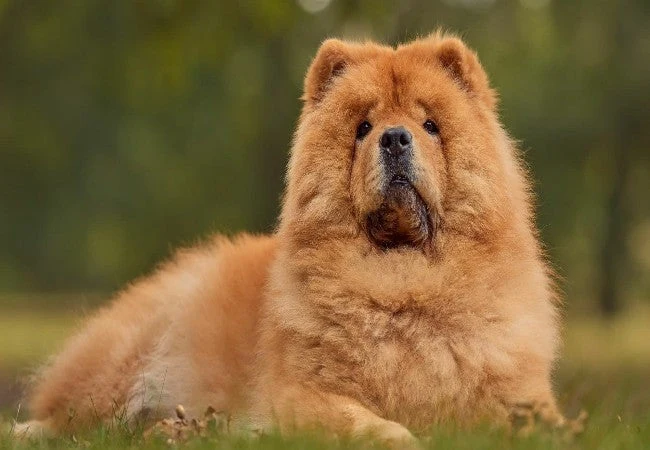
The Chow Chow is a beautiful dog breed known for its thick, fluffy coat, lion-like appearance, and independent personality. Originally associated with northern China, this breed is admired by dog lovers around the world. However, its dense double coat raises an important question for owners in Pakistan, India, Bangladesh, and other warm Asian countries: Can Chow Chow live in hot weather?
The answer is yes: a Chow Chow can live in a warm climate under carefully managed conditions, but this breed needs extra protection from heat. Its thick coat, relatively short muzzle, and limited ability to cool down efficiently can increase the risk of overheating and heatstroke. Living in a hot country is particularly challenging when temperatures remain high overnight or humidity is excessive.
If you already own a Chow Chow or are considering adopting one, understanding its climate requirements is essential. This guide explains how to keep a Chow Chow comfortable in hot weather, recognize heatstroke symptoms, maintain its coat, and create a safer living environment.
Can Chow Chow Live in Hot Weather Safely?
Yes, a Chow Chow can live in hot weather if its owner provides a cool indoor environment, fresh drinking water, appropriate grooming, and carefully timed exercise. However, this does not mean the breed naturally tolerates extreme heat well.
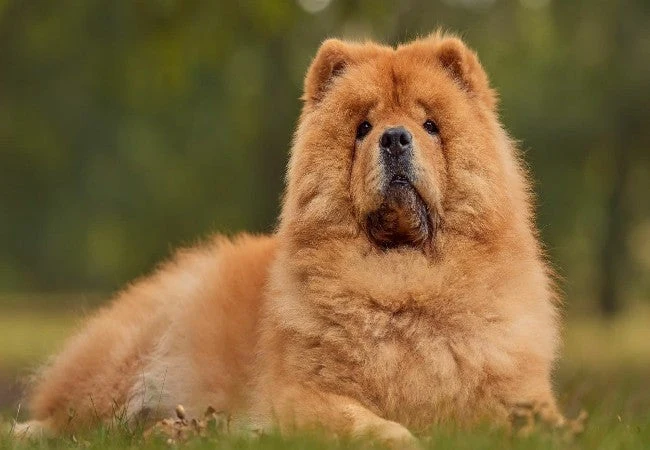
Chow Chows have a dense double coat consisting of a soft undercoat and a protective outer coat. They also have a broad head and a relatively short muzzle compared with many other dog breeds. These characteristics can make it more difficult to manage body temperature in hot and humid conditions.
Research from the Royal Veterinary College has identified Chow Chows as a breed with a substantially elevated risk of heat-related illness compared with Labrador Retrievers. This makes heat management especially important for Chow Chow owners.
For families living in hot parts of Asia, the key is not simply to help the dog tolerate the weather outdoors. It is to provide an environment where the dog can rest, breathe comfortably, and avoid excessive heat exposure.
If you are comparing different breeds for a warm region, read our guide to the best dog breeds for hot and humid climates in Asia.
Why Do Chow Chows Struggle in Hot Weather?
Several physical characteristics can make hot weather more difficult for a Chow Chow.
1. A Thick Double Coat
The Chow Chow’s fluffy coat provides insulation and protection. However, its dense undercoat can retain warmth and requires regular maintenance, particularly during seasonal shedding.
Loose undercoat, tangled fur, and mats can interfere with airflow around the skin. Regular brushing helps remove dead hair and keeps the coat in better condition.
A thick coat does not automatically mean a dog will overheat in every warm environment, but it increases the importance of appropriate grooming and temperature control.
2. A Relatively Short Muzzle
Chow Chows have a relatively short muzzle, and some have more restricted airways than others. Dogs with shorter muzzles can have difficulty panting efficiently, which makes cooling down more challenging.
This is especially concerning during humid weather, strenuous exercise, or periods of high outdoor temperatures.
Owners should pay close attention to breathing, particularly if their Chow Chow snores heavily, struggles during mild exercise, or already has a diagnosed respiratory problem.
3. Hot and Humid Conditions
Humidity is an important factor in a dog’s ability to cool itself. Dogs depend mainly on panting to release heat, and high humidity can reduce the effectiveness of this process.
In cities across South Asia and Southeast Asia, a combination of hot afternoons, humid air, and limited nighttime cooling can make conditions particularly challenging.
4. Excess Weight and Health Problems
Overweight dogs may find it more difficult to regulate their body temperature. Older Chow Chows and those with heart, respiratory, or other medical conditions may also face additional risks.
Maintaining a healthy weight, providing appropriate exercise, and arranging regular veterinary checkups can help reduce avoidable risks.
How to Keep a Chow Chow Cool in Hot Weather
If you live in a hot climate, use the following precautions to protect your Chow Chow during summer.
1. Keep Your Dog Indoors During Extreme Heat
A cool indoor environment is one of the most effective ways to reduce heat exposure.
Air conditioning is particularly helpful during heatwaves and periods of high humidity. If air conditioning is unavailable, use fans, improve ventilation, and provide a cool resting area away from direct sunlight. A fan alone may not be sufficient during extreme heat.
Never leave your Chow Chow outside for extended periods without shade and access to water. Avoid leaving it in a parked vehicle, even for a short time.
2. Provide Fresh Drinking Water
Keep clean, fresh water available throughout the day. Check the bowl frequently during hot weather and refill it whenever necessary.
When travelling, bring drinking water and a portable bowl. Encourage your dog to drink after activity, but do not force it to drink large quantities at once.
Water availability is essential, but hydration alone cannot prevent heatstroke when the surrounding temperature is dangerously high.
3. Walk Your Chow Chow at Cooler Times
Avoid long walks, running, and strenuous play during the hottest hours.
Early morning and later evening are usually better times for outdoor activity, although you should check actual weather conditions before leaving home. During severe heat or high humidity, skip outdoor exercise if necessary.
Hot pavement can also burn paw pads. Choose shaded routes and avoid surfaces that have become excessively hot in direct sunlight.
Short, gentle walks are generally more appropriate than vigorous exercise during warm weather. Stop immediately if your dog begins panting excessively, slows down unusually, or appears uncomfortable.
4. Brush the Coat Regularly
Regular grooming is important for a healthy Chow Chow, especially during shedding season.
Use a suitable undercoat rake and dog brush to remove loose hair and prevent mats. Pay attention to areas behind the ears, around the neck, beneath the legs, and near the tail.
Avoid shaving a Chow Chow down to the skin simply because the weather is hot. Its double coat protects from sunlight and helps insulate the body. Shaving can expose the skin to sunburn and may interfere with normal coat regrowth.
If the coat is severely matted, consult a professional groomer who has experience with double-coated breeds.
For broader seasonal advice, visit our dog care guide for Asia.
5. Create a Cool Resting Area
Set up a comfortable indoor space with good ventilation and no direct sunlight. A cool floor or an appropriate cooling mat may help your dog rest comfortably.
Make sure your Chow Chow can move away from a cooling mat whenever it wants. Avoid placing your dog on a surface that is uncomfortably cold or using ice directly on its skin.
During heatwaves, monitor indoor temperatures rather than assuming that a shaded room will remain cool enough.
6. Keep Exercise Short and Gentle
Chow Chows do not need strenuous exercise in the hottest part of the day. Adjust walks and playtime to your dog’s age, health, fitness, and the weather.
Indoor enrichment activities, such as simple training exercises, food puzzles, and gentle play, can provide mental stimulation without prolonged exposure to the heat.
Do not encourage your dog to continue exercising if it is panting heavily or seems tired. Allow it to rest in a cool environment.
Can Chow Chow Live in Hot Weather Without Air Conditioning?
A Chow Chow may live in a warm region without air conditioning, but its safety depends on the actual indoor temperature, humidity, ventilation, and the dog’s individual health.
A shaded room with good airflow may be adequate during mild weather. However, fans do not always provide enough cooling during very hot or humid conditions.
If your home becomes excessively hot, arrange access to a reliably cooler indoor location. This may mean staying in an air-conditioned room or another safe, temperature-controlled space during a heatwave.
Do not rely on a bowl of water, shade, or a cooling mat alone when the surrounding environment is dangerously hot.
Owners should be especially cautious with puppies, senior dogs, overweight Chow Chows, and dogs with breathing difficulties. A veterinarian can help you assess your dog’s individual heat risk and develop a suitable summer-care plan.
Signs of Heatstroke in a Chow Chow
Heatstroke is a life-threatening emergency. Because Chow Chows are particularly vulnerable to heat-related illness, owners should learn to recognize early warning signs.
Possible symptoms include:
- Heavy or persistent panting.
- Excessive drooling.
- Restlessness or repeatedly searching for shade.
- Rapid or difficult breathing.
- Bright red, unusually pale, or abnormal-looking gums.
- Weakness, stumbling, or difficulty standing.
- Vomiting or diarrhea.
- Confusion, seizures, or collapse.
Do not wait for every symptom to appear before seeking help.
What Should You Do If Your Chow Chow Overheats?
If you suspect heatstroke:
- Move your dog out of the heat and into a cool, ventilated, or air-conditioned area immediately.
- Begin cooling it with cool tap water and airflow from a fan. Avoid ice-cold water or wrapping the dog tightly in wet towels.
- Contact an emergency veterinarian immediately and follow their instructions.
- Arrange urgent veterinary assessment, even if your dog seems to improve.
Do not force water into a weak or confused dog’s mouth. Heatstroke can damage internal organs, and apparent improvement does not rule out serious complications.
For more information, read our guide to dog heatstroke symptoms, prevention, and what to do.
Should You Get a Chow Chow If You Live in Pakistan or India?
A Chow Chow may be suitable for some households in Pakistan, India, Bangladesh, and other warm regions, but the decision requires careful consideration.
Before adopting one, ask yourself:
- Can you provide a reliably cool indoor space during hot weather?
- Can you limit outdoor activity during hot afternoons?
- Can you manage regular brushing and professional grooming when needed?
- Can you afford veterinary care if your dog develops breathing difficulties or heat-related illness?
- Can you monitor your dog closely during heatwaves and periods of high humidity?
If you cannot provide adequate cooling during extreme heat, a Chow Chow may not be the most practical choice.
You could also research breeds with shorter coats and better adaptation to warm climates. Our guide to popular Asian dog breeds and summer care can help you compare different breeds and their care requirements.
Remember that no breed is completely immune to heatstroke. A dog’s individual health, physical characteristics, environment, and care routine all matter.
Frequently Asked Questions
Can Chow Chow live in hot weather all year?
A Chow Chow can live in a warm climate throughout the year if its owner consistently manages heat exposure and provides a suitable indoor environment. However, prolonged extreme heat and humidity can make year-round care difficult and increase the risk of heat-related illness.
What temperature is too hot for a Chow Chow?
There is no single temperature that is safe or dangerous for every Chow Chow. Risk depends on humidity, sunlight, activity, ventilation, age, weight, and respiratory health. Because the breed has a high risk of heat-related illness, be cautious even on moderately warm days, especially when humidity is high.
Can Chow Chow live in Karachi’s hot weather?
A Chow Chow may live in Karachi, but hot weather, humidity, and periods of extreme heat require careful management. Provide a cool indoor space, fresh water, regular coat care, and short walks during cooler hours. During heatwaves, keep outdoor activity to a minimum and consult a veterinarian about your dog’s individual needs.
Should I shave my Chow Chow in summer?
Generally, no. Shaving a double-coated Chow Chow down to the skin is not recommended as a routine cooling method. Regular brushing and removal of loose undercoat are usually preferable. Severe matting or specific medical conditions may require professional grooming advice.
Can a Chow Chow sleep outside during summer?
Sleeping outdoors is not advisable when temperatures or humidity remain high. Outdoor shade may not provide enough cooling, particularly overnight during a heatwave. A cool, safe indoor sleeping area is the better choice.
Are Chow Chows more likely to suffer from heatstroke?
Yes. Veterinary research has identified Chow Chows as a breed with an elevated risk of heat-related illness. Their thick coat and relatively short muzzle are important factors. Owners should take preventive measures seriously and seek immediate veterinary care if heatstroke is suspected.
Can I use a cooling vest or cooling mat for my Chow Chow?
A suitable cooling vest or mat may provide additional comfort, but it should not replace a cool environment, fresh water, limited exercise, or veterinary care. Follow the product instructions and supervise your dog to ensure it remains comfortable.
Final Verdict: Can Chow Chow Live in Hot Weather?
Yes, a Chow Chow can live in hot weather, but it needs more careful management than many dogs with short coats and less restrictive muzzles. Its dense double coat and physical characteristics make overheating a serious concern, especially in hot, humid parts of Asia.
The most important precautions are to provide a cool indoor resting area, keep fresh water available, brush the coat regularly, avoid shaving it down to the skin, and schedule outdoor activity for cooler hours. Learn the warning signs of heatstroke and seek emergency veterinary care if you suspect your dog is overheating.
At DogsLiveAsia, our goal is to help dog owners understand how breed characteristics and local climates affect everyday care. Every dog is an individual, so consult a qualified veterinarian for advice tailored to your Chow Chow’s age, health, and living conditions.